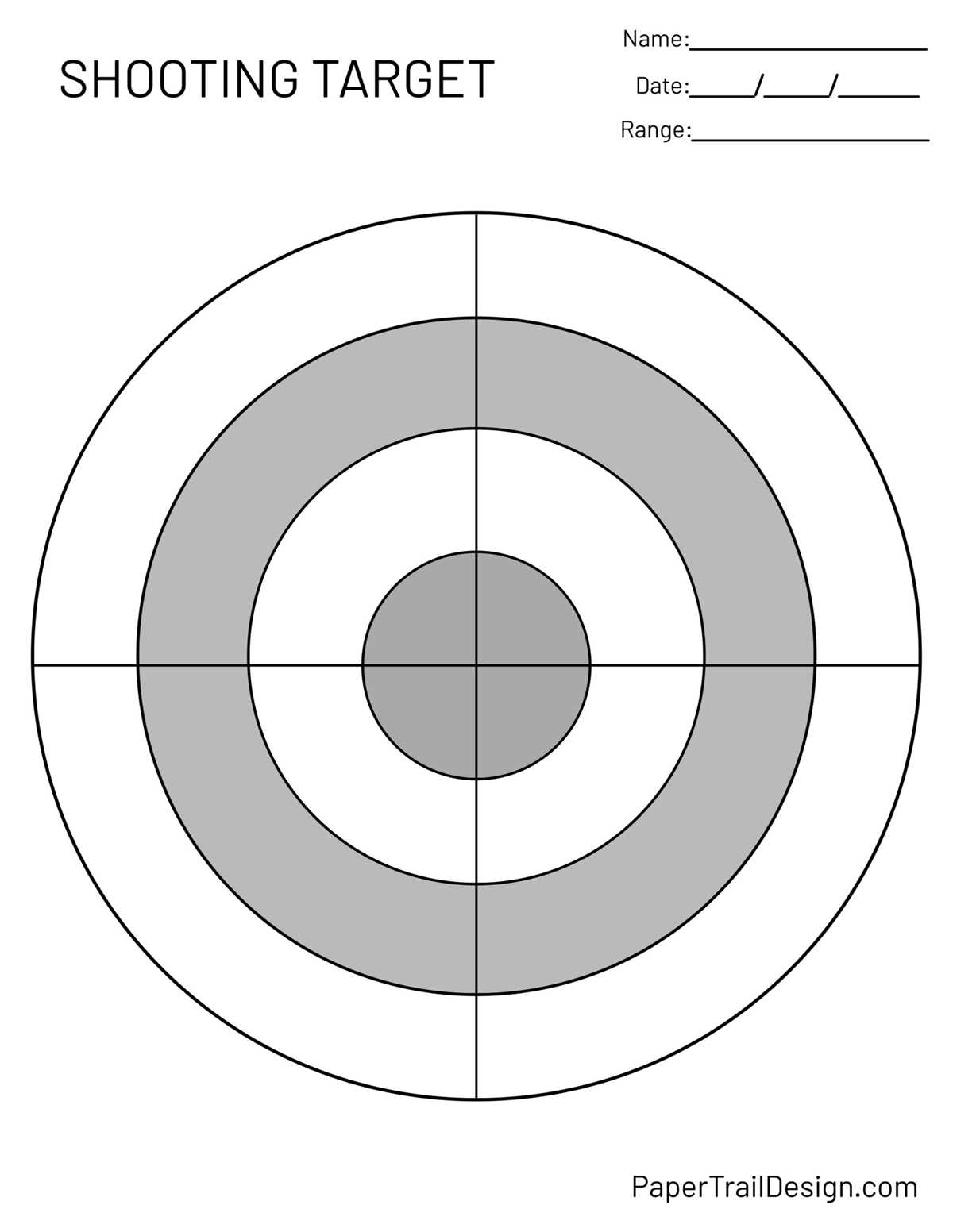
Start by selecting high-resolution images that mimic competition-level designs. Choose ones with clear outlines and consistent scoring zones to help improve precision and consistency. You can find a variety of designs that cater to different skill levels, from basic bullseyes to more advanced layouts with smaller rings.
When printing, use sturdy paper like cardstock for durability. If you plan to shoot frequently, consider laminating the sheet to preserve the target from wear and tear. For longer practice sessions, choose larger prints to provide a more challenging experience. You can adjust the size based on the available space or specific needs of your training setup.
If you’re training indoors, try adjusting the target’s distance from your shooting position to match typical range distances. This will simulate real competition conditions. For beginners, keep the target closer, and gradually increase the distance as your accuracy improves.
Choosing the Right Bullseye Layout for Practice
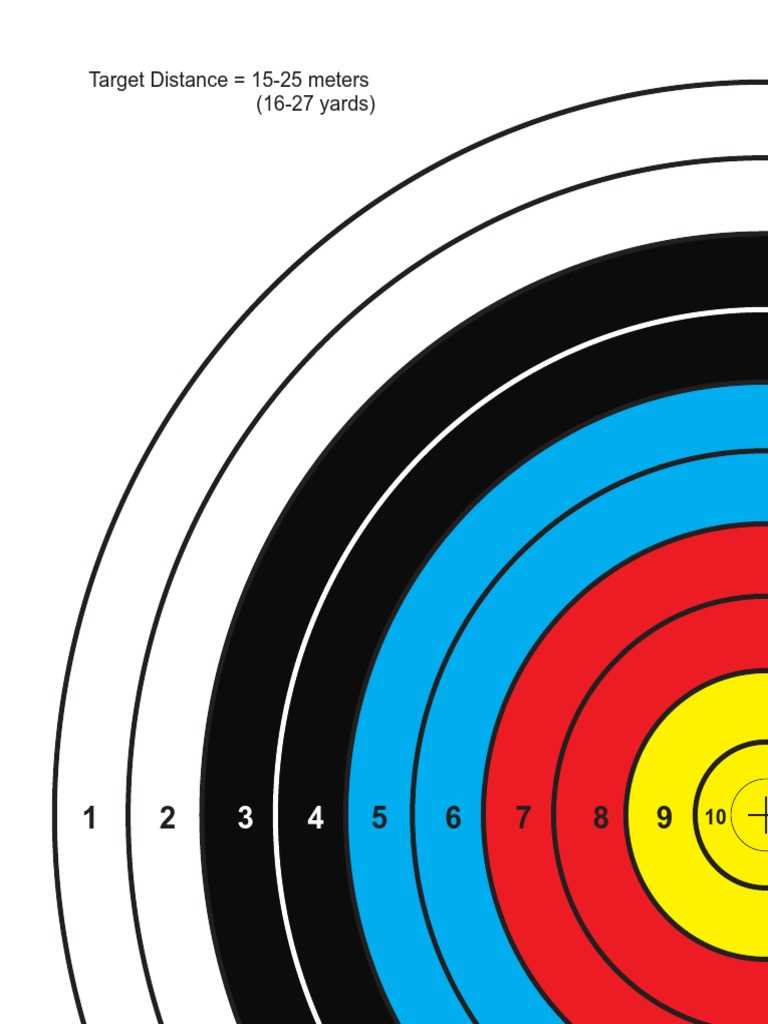
Select the right design based on your current skill level and the specific area of improvement. For beginners, a simple concentric ring layout with a clear center is a good choice. Advanced practitioners may prefer more complex setups, such as those with smaller zones or asymmetrical targets to challenge precision and focus. These variations mimic real-life conditions and can help prepare you for competitive shooting.
For those training outdoors, consider using designs that accommodate different environmental factors. Strong winds, varying lighting, or uneven ground can make shooting more difficult. Adjust your targets by adding more defined ring markings or incorporating multiple colors to improve visibility from different angles. Larger targets can also be beneficial for outdoor shooting when space is less constrained.
- For indoor training, use smaller, more detailed designs to increase accuracy under controlled conditions.
- Experiment with different target sizes, from small bullseyes for precision practice to larger ones for distance shots.
- If you’re working on speed, use printable images with reduced scoring zones to force quick decision-making and faster shot release.
How to Print High-Quality Bullseyes at Home
Begin by selecting a high-resolution image for your design. A resolution of 300 DPI is recommended for clear, sharp lines. Avoid low-quality images as they may result in blurry prints, which can affect your shooting accuracy. Websites dedicated to printable designs often offer downloadable files in various formats, ensuring the quality remains intact when printed.
Choose the right paper for printing. Cardstock or thick printer paper provides durability and a stable shooting surface. Thinner paper can tear easily when hit with arrows, especially at higher speeds, and may not last through multiple practice sessions. If possible, opt for a smooth finish to ensure better print quality and a consistent feel when aiming.
Make sure your printer settings are correctly configured. Set the print quality to “Best” or “High” in the printer properties to ensure the details of the design are captured clearly. Check the print preview to confirm that the target fits within the printable area, and adjust margins if necessary to avoid cropping important sections of the image.
For larger targets, use a poster or banner printing service. Alternatively, print the design across multiple standard-sized sheets of paper. This technique, known as tiling, will require you to trim the edges and tape the sheets together. It allows for larger, more detailed images without sacrificing print quality. Ensure each page aligns correctly before assembling the pieces.
Consider laminating your print to increase its durability. Lamination will protect your sheet from environmental factors such as moisture and UV damage. It also prevents fraying at the edges and extends the life of your design, especially when used outdoors or during frequent practice sessions.
If you’re using an inkjet printer, allow sufficient drying time for the ink. If you rush the drying process, the ink may smudge, affecting the target’s readability. A few minutes of wait time will ensure that the print quality remains intact throughout your practice.
Finally, place the printed design on a flat, stable surface or attach it to a solid backing. This helps the paper remain taut and prevents it from bending or shifting during use. A sturdy backing also provides a stable surface for arrows to strike, improving the overall practice experience.