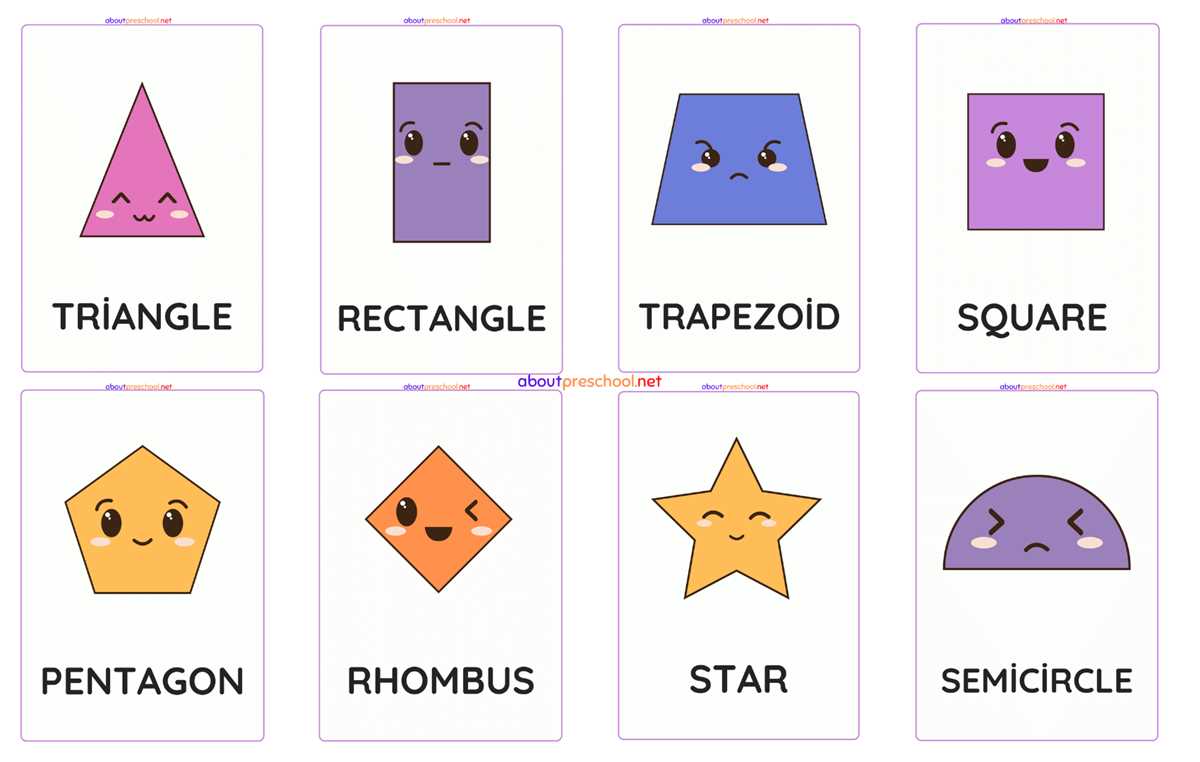
Start by downloading pre-designed cards with various figures that can be easily cut out and used in games. Use bright colors and large, clear outlines to make them appealing for children. Simple designs like circles, squares, and triangles help young learners grasp concepts quickly.
Print them on thick paper or card stock to ensure durability during repeated use. For a longer lifespan, consider laminating the cards, so they don’t get damaged over time. You can even add numbers or letters next to each figure to encourage more complex exercises such as counting or letter recognition.
Incorporate these cards into daily activities. Use them during playtime or as part of a structured learning session. For example, spread the cards on the floor and ask your child to pick out specific shapes, or challenge them to arrange the figures into patterns. These simple exercises support the development of cognitive skills while keeping the experience fun and interactive.
Using Figures for Early Learning
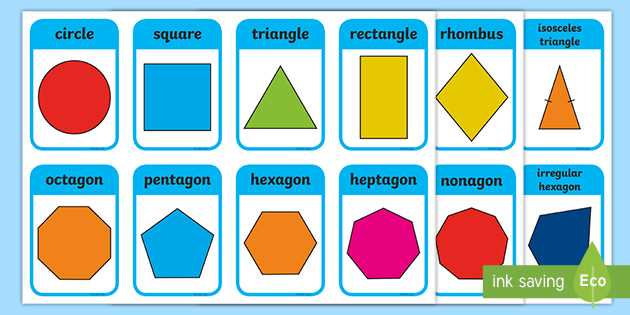
Design simple, bold outlines for each figure, using contrasting colors that attract children’s attention. This will help them easily identify and distinguish between different objects. For a more interactive experience, try incorporating textures, like a raised surface or tactile paper, to make the learning process multisensory. Laminating the cut-outs or using a dry-erase surface will allow kids to reuse them repeatedly, saving both time and resources.
After printing, organize these items into a set of games. Place them in a box or pouch and invite the child to sort them by size or color. You can also use them for memory games, asking children to match identical objects, or as part of a treasure hunt around the house to find similar figures. This approach not only helps with recognition but also encourages critical thinking and problem-solving in a playful context.
How to Create Custom Printable Shapes Flashcards at Home
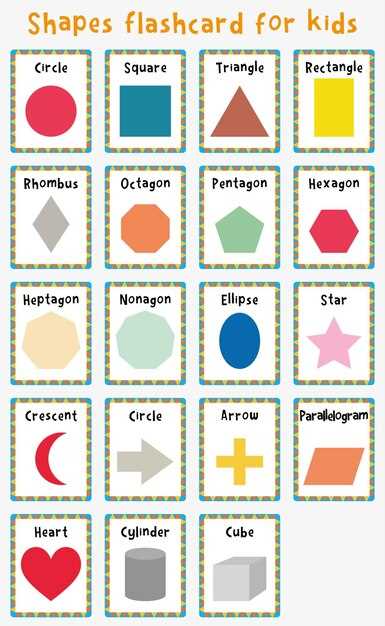
Start by selecting a template or creating your own design on a computer. Use simple graphic design software like Canva or Adobe Illustrator, which allow easy manipulation of elements such as colors and sizes. Choose basic objects with clear outlines, keeping in mind the age and learning stage of your child.
Choose the size for each card. Typically, 3×5 inch cards work well for children’s hands. Once the design is complete, ensure the figures are large enough to be recognizable at a glance, while leaving ample space for additional features like labels or numbers.
After creating the designs, print them on thick, durable paper or card stock. This ensures the cards hold up well through multiple uses and are not easily torn. To increase durability, laminate the cards, or if you don’t have access to a laminator, use self-adhesive laminating sheets available at most office supply stores.
If you’re printing multiple sets, be mindful of color choices. Use high-contrast combinations to help children quickly distinguish between different items. For example, use bright red for one object and blue for another. Avoid too many similar colors or patterns that might confuse young learners.
For added interactivity, consider including instructions or simple tasks on the back of each card. You could add instructions such as “Find all objects with corners” or “Group these items by color.” This engages the child further and turns the activity into an educational game.
Once printed and cut, you can also add a hole punch to the corner of each card and bind them with a ring or string, creating a portable learning tool. This way, the cards can be carried around easily, allowing for on-the-go learning during trips or errands.
Lastly, store the cards in a sturdy container, such as a box or pouch, to keep them organized. Label the container to help keep track of different sets or themes. This not only keeps your learning tools neat but also encourages the child to take part in organizing and maintaining their educational materials.