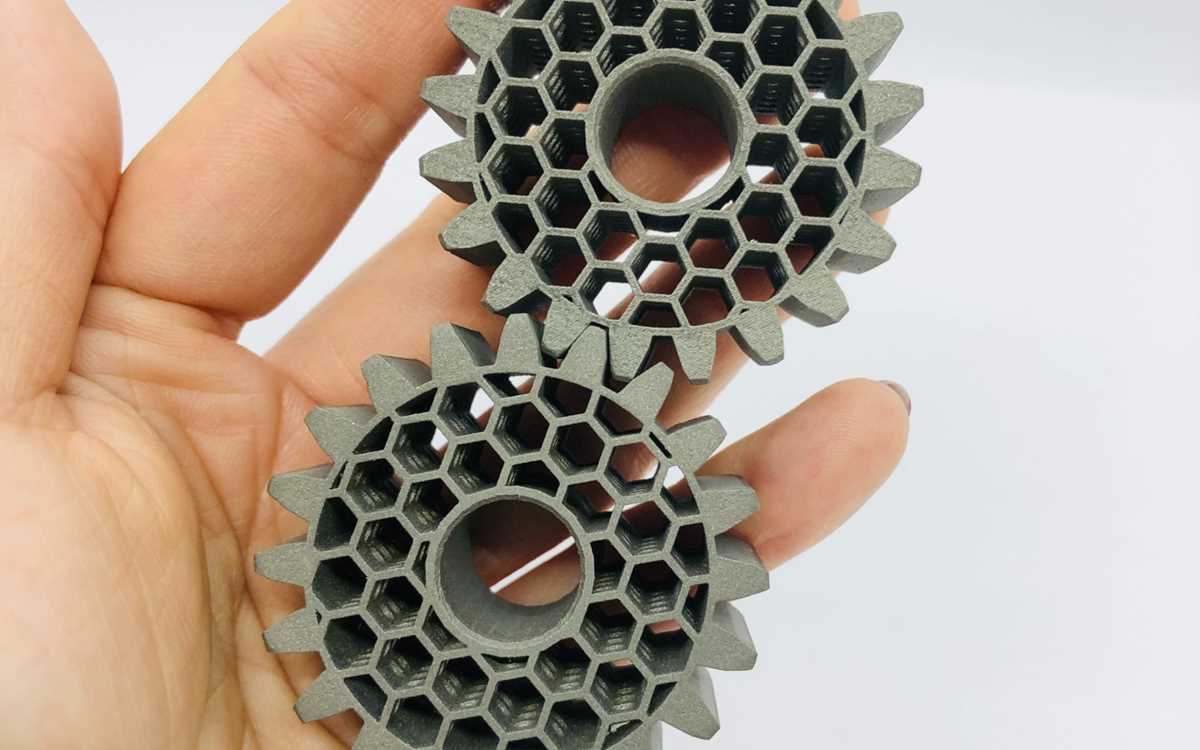
To ensure precise mechanical function, choose the right material when creating moving parts for machines. For components that will experience wear, opt for strong, durable substances like ABS or Nylon. These materials provide the necessary toughness and flexibility to handle stress without compromising performance.
Design your components carefully, focusing on the necessary tolerances and alignment. Make sure the teeth and components fit snugly without friction, as even small imperfections can affect the operation. Use a 3D design software that allows you to tweak and test the measurements to achieve smooth motion before printing the parts.
After printing, always conduct a thorough test to check the functionality of your parts. Assemble them under the intended conditions and run trials to spot any weaknesses. Be ready to adjust and reprint parts as needed, fine-tuning the design until it operates seamlessly within your system.
3D Printable Mechanical Parts
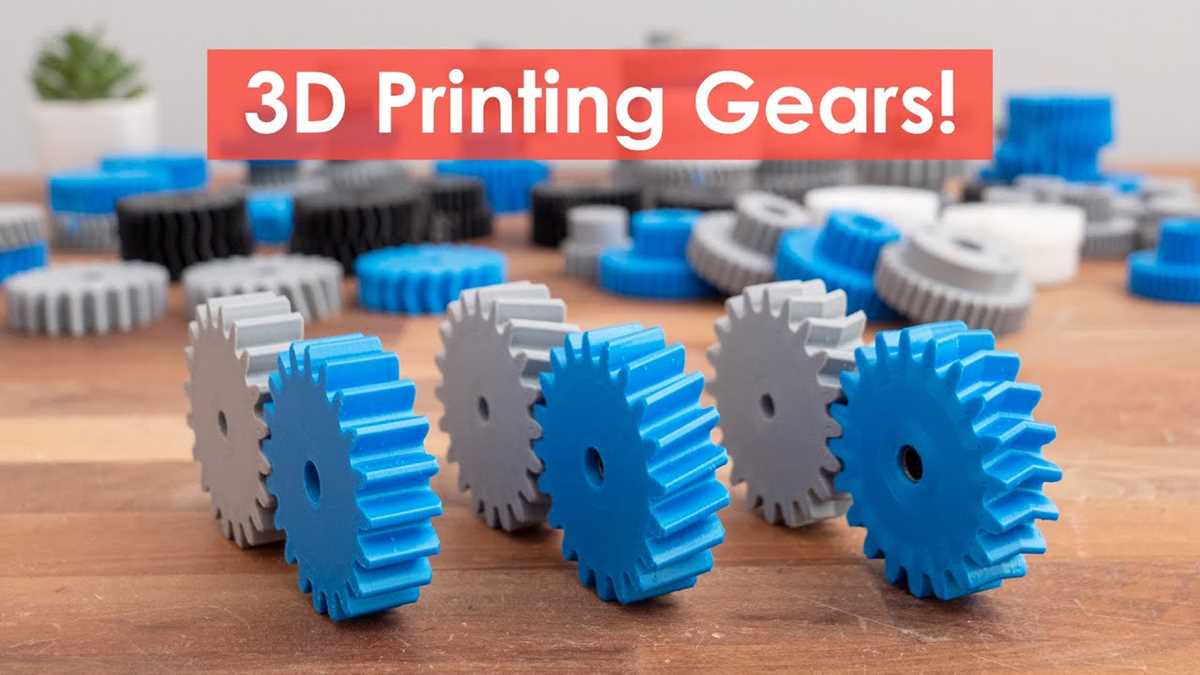
For high-performance systems, select durable materials like ABS or Nylon, which offer superior strength and resistance to wear. These materials withstand friction and load better, making them ideal for mechanical components that experience continuous movement. Always consider the material’s heat tolerance, especially when components operate under stress.
Precision is key in the design phase. Use CAD software that allows for minute adjustments to the teeth and engagement points of each component. This ensures that the parts interlock smoothly without excessive gaps or tightness, which could lead to malfunctions over time.
Test your creations thoroughly before finalizing the design. Assemble the parts and evaluate them under real-world conditions to check for any functional issues. If you notice any slipping, misalignment, or excessive friction, revise the design and reprint the necessary pieces until everything functions perfectly.
Consider post-processing steps to enhance the durability and smoothness of the moving parts. Some materials may benefit from light sanding, polishing, or coating to reduce friction and increase lifespan. These final touches can make a big difference in performance, especially for intricate systems with multiple moving parts.
Always keep in mind the purpose of the component within the overall mechanism. Make sure the size, load capacity, and rotational speed are compatible with your design’s requirements. If the parts will operate under high torque, reinforce areas that may experience the most strain to avoid premature wear or failure.
Choosing the Right Material for 3D Printed Mechanical Components
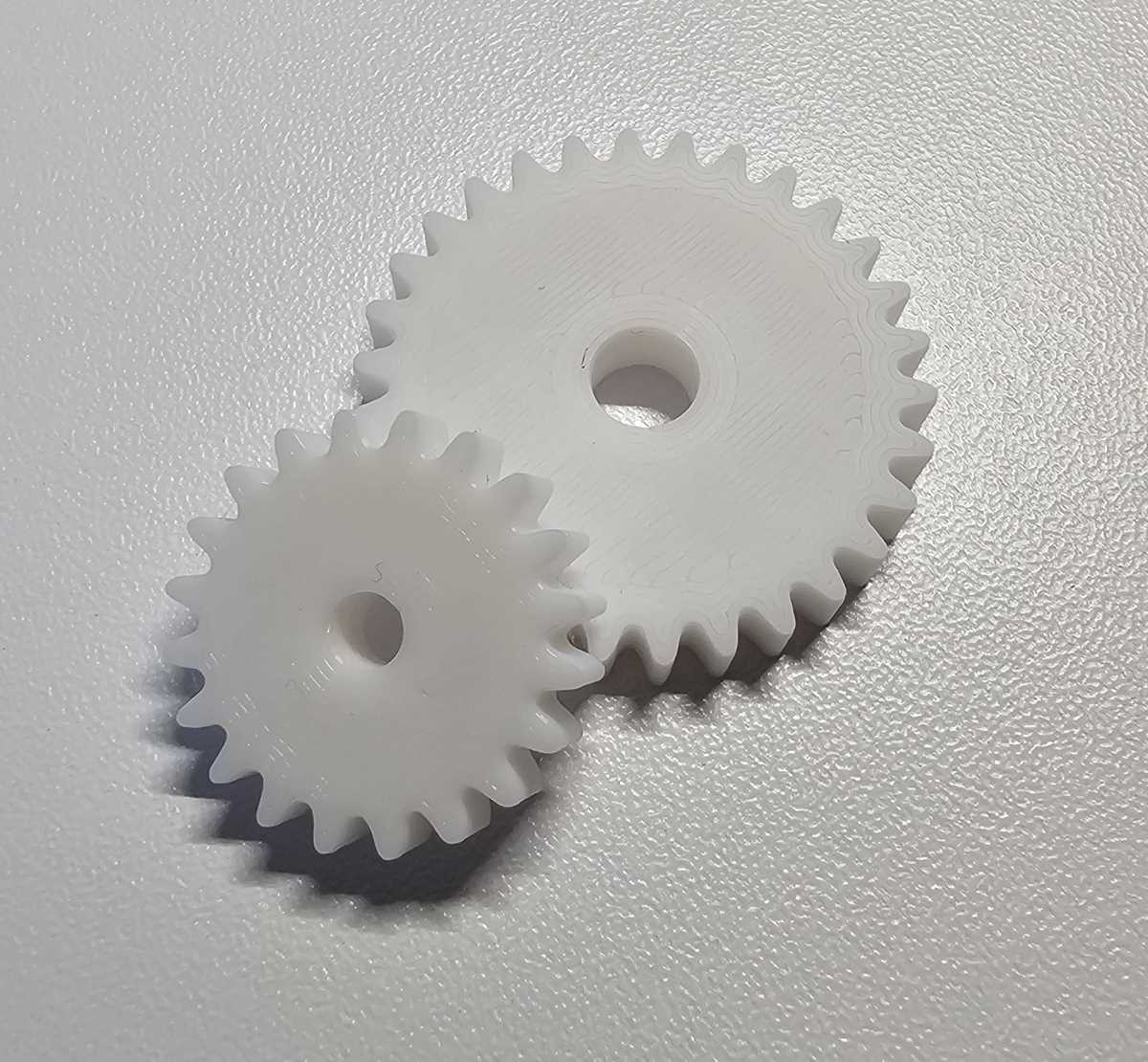
ABS is one of the most popular choices for parts that will endure heavy stress. It offers good resistance to wear and high temperatures, making it ideal for mechanical components in active machinery. If your project requires parts that can withstand friction and heavy loads, this material should be considered for durability.
Nylon is another excellent option for components that will experience constant movement. It has superior toughness and flexibility compared to other plastics, which makes it ideal for moving parts that need to absorb shock without cracking or breaking. This material is particularly effective for gears that require a balance of strength and elasticity.
For lighter applications, PLA may suffice. While PLA is easy to print and offers good detail, it does not handle heat or mechanical stress as well as ABS or Nylon. It is most useful for prototypes or parts that do not undergo significant wear. If heat tolerance is not a concern, PLA provides a low-cost, user-friendly alternative.
If chemical resistance or high-impact strength is important, consider polycarbonate (PC). This material offers high mechanical properties, including excellent resistance to impact and stress. It’s perfect for applications where the parts are exposed to harsh environments or chemicals, and it performs well under extreme conditions.
Finally, think about the specific requirements of your application. A material that works perfectly for one system may not be suitable for another. Evaluate the expected load, the type of motion, and the operating environment when making your decision. If possible, test different materials to find the one that offers the best performance for your specific needs.