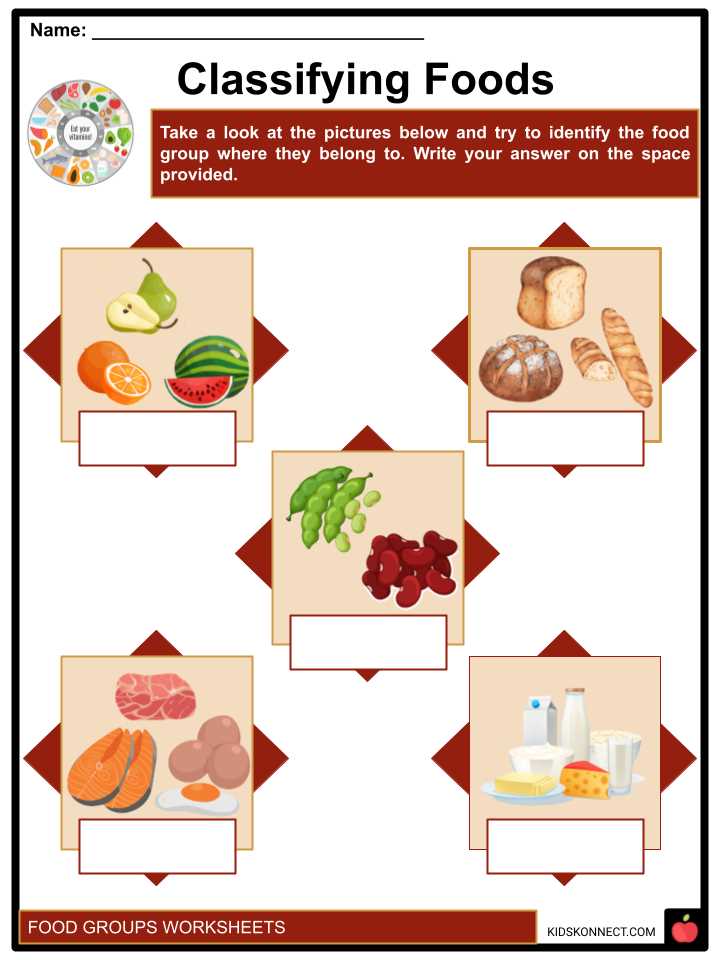
Start teaching healthy eating habits to children with easy-to-use diagrams and activity sheets. These tools are perfect for breaking down nutrition into simple categories, making it easier for kids to understand what’s on their plate. Use these resources to guide students through the basics of balanced meals and the variety of food types they should consume each day.
Utilize visual aids to help learners identify different types of nourishment. Simple worksheets with clear visuals can help children categorize items such as fruits, vegetables, proteins, and grains. These sheets also offer interactive ways to quiz children and reinforce their knowledge, providing fun challenges that keep them engaged.
Whether in the classroom or at home, these materials are flexible for a variety of learning styles. From hands-on sorting exercises to coloring activities, you can easily tailor the content for different age groups or skill levels. Consider offering printable worksheets that encourage decision-making, like filling out meal plans or identifying healthy choices based on what’s available in their environment.
Food Group Printables
Using visual tools is a great way to introduce younger audiences to balanced nutrition. Create activity sheets where children can match different items to the correct categories such as proteins, carbohydrates, and vitamins. These sheets should focus on the basics of nutrition, highlighting healthy choices and teaching kids how to identify these items in everyday meals. Interactive elements like coloring or drawing allow children to engage with the material and retain key concepts more effectively.
Consider including sorting tasks where kids can physically organize printed images of foods into distinct categories. This can reinforce learning about each nutrient’s role. Additionally, printable meal planning charts can help older children make decisions about their meals, promoting responsibility. Providing a mix of simple and complex activities ensures that learners of different ages and abilities can enjoy and benefit from the resources.
How to Use Food Group Templates in Classroom Activities
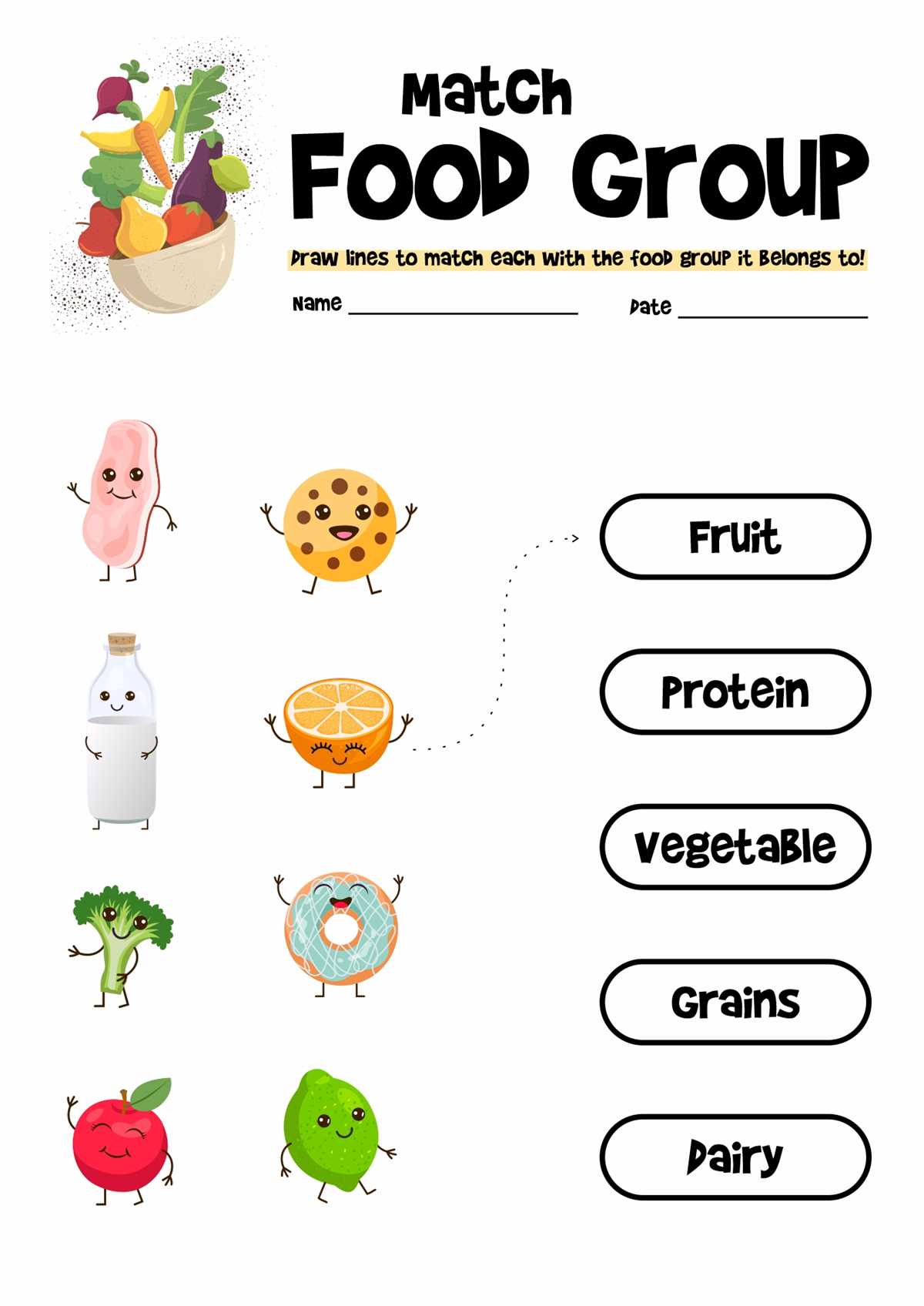
Start by dividing students into teams and providing them with printed cards that depict various food items. Assign each team the task of sorting these items into their correct categories, such as dairy, proteins, and grains. This hands-on approach will not only make the learning process interactive but will also help students visualize the components of a balanced meal. You can further extend the activity by asking students to justify their choices, allowing for deeper discussion.
Another effective way to use these templates is through games. For example, create a timed challenge where students race to match a set of items to the correct groups on a large chart. To keep students engaged, use a reward system for the fastest and most accurate teams. This activity helps develop both teamwork and quick thinking while reinforcing the importance of diverse nutrients in daily meals.
Incorporate creative tasks by asking students to draw their own meals based on a given template, ensuring that they include items from each major food category. This allows them to apply their knowledge practically and visually while reinforcing the idea of balance. Providing examples from the template can inspire them to think about real-world applications, such as preparing a meal at home.
Use these templates in discussions about healthy habits by creating a “menu” that includes foods from all categories. Have students analyze the menu and discuss its nutritional value. This can lead to discussions about portion sizes, food labels, and how different foods contribute to their daily energy needs. Such conversations help students connect theoretical knowledge with real-world practices.
For a more advanced approach, integrate technology into the lesson by having students create their own digital versions of the templates. They can research different food items, create their own charts, and share their work with the class. This digital version will not only enhance their technological skills but will also help them understand the complexities of nutritional planning.
Finally, use templates for cross-curricular learning by linking nutrition with subjects like geography or history. Discuss the origin of foods, how they are grown or processed, and their role in different cultures. This can be an enriching experience for students, broadening their understanding of global food systems while reinforcing the key concept of healthy eating.