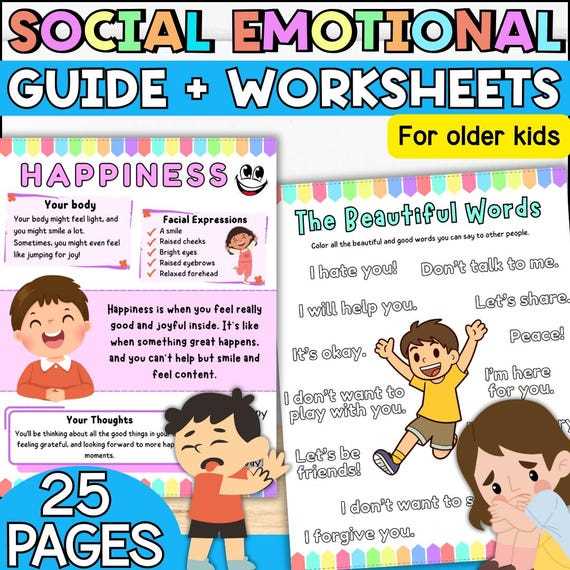
Using structured exercises is an effective way to maintain emotional control and improve focus. Simple worksheets and techniques can be a powerful tool for enhancing behavior management. Whether you are working with children or adults, incorporating activities that promote mindfulness and emotional awareness can help in reducing stress and impulsive actions.
For children, start with tasks like identifying emotions, practicing deep breathing, or drawing feelings to help them express and understand their emotions better. These exercises can easily be printed and used in daily routines, providing an engaging way to help children practice calming techniques and emotional awareness during moments of frustration or anxiety.
For adults, techniques such as journaling prompts, mindfulness exercises, or stress-tracking worksheets can be used to create a more grounded approach to managing daily pressures. Keeping these resources at hand during high-stress situations can help individuals stay focused and manage emotional responses with more intention and clarity.
Effective Tools for Managing Emotional Responses
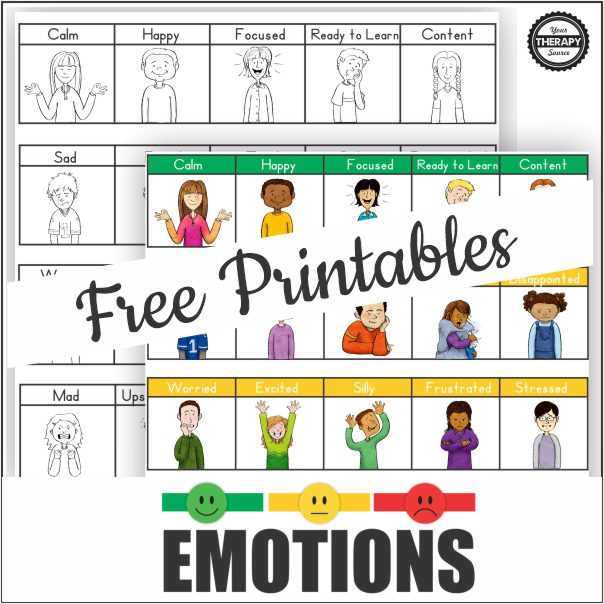
Begin with simple worksheets that help individuals identify their current emotions. A sheet that lists common feelings–such as happy, angry, sad, or frustrated–alongside space for a quick check-in can encourage people to reflect on their emotional state. This short exercise can serve as a daily habit to increase self-awareness and track mood fluctuations, helping to address emotions before they escalate.
Another helpful tool is a step-by-step guide for calming down. Provide a structured sequence, like “Pause, Breathe, Reflect, Act,” with easy-to-follow instructions. For example, a 5-step breathing exercise can help manage intense feelings. Each step could be printed on a card or worksheet, allowing users to physically engage with the process when they feel overwhelmed or stressed. This structure keeps them grounded during moments of emotional intensity.
For children, create interactive worksheets that focus on visualization. Using images like clouds or balloons, guide them to mentally picture their emotions floating away as they breathe deeply. This visualization technique, printed in an engaging design, helps children process their feelings in a way that feels tangible and within their control, making it easier to manage feelings like anger or frustration.
For adults, incorporating stress logs can provide valuable insight. A daily record of situations that trigger anxiety or frustration, combined with notes on how they responded, can help individuals spot patterns in their behavior. Over time, this can lead to more effective strategies for reducing stress, as users begin to recognize the triggers and the coping mechanisms that work best for them.
Lastly, create a gratitude journal that emphasizes the positive aspects of each day. A printable template that asks individuals to write three things they are thankful for can shift the focus from stress to positivity. This small yet impactful practice can help to reduce overall stress levels and encourage a healthier, more balanced emotional state over time.
Creating Worksheets for Emotional Management
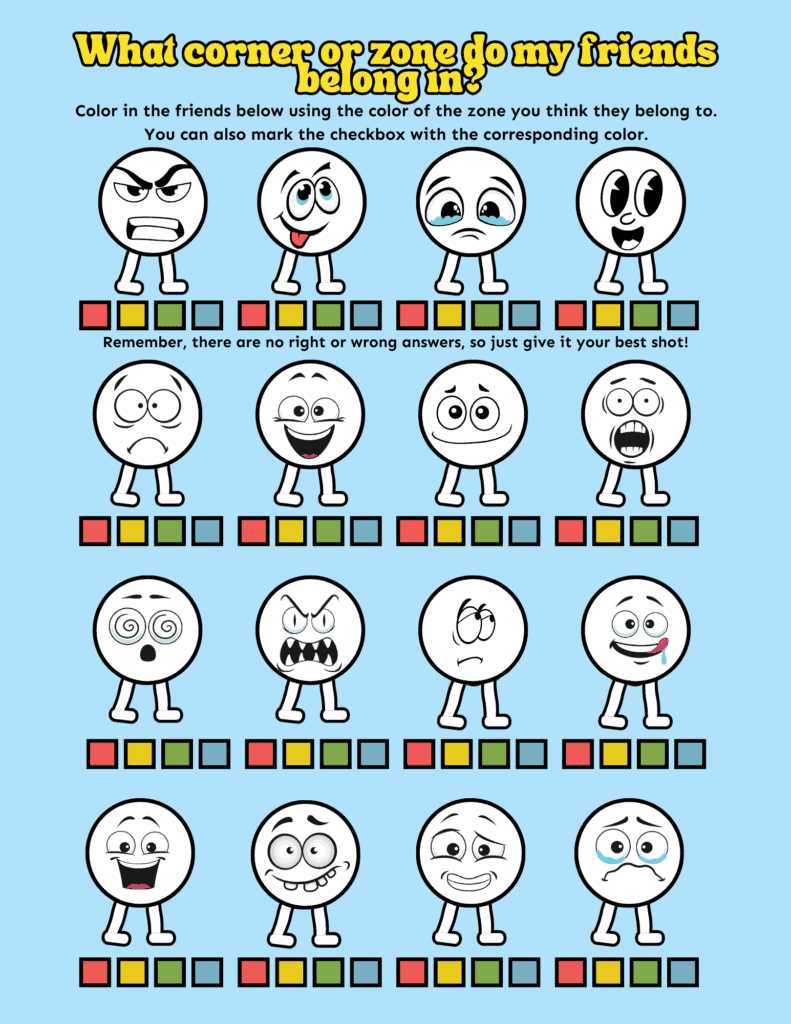
Start by designing simple mood trackers. These should include basic questions like “How do you feel today?” with options such as happy, sad, frustrated, or calm. Allow users to color or mark the mood that best describes their emotional state, helping them visualize their feelings over time. A simple grid format can work well, where users can fill in their answers each day. This will make it easy to spot patterns and triggers in their emotional responses.
For those looking to develop deeper emotional awareness, include space for reflection. Create a worksheet that not only asks about current emotions but also encourages users to identify the cause. For example, “What happened today that made you feel this way?” Adding prompts like “What can you do to feel better?” can help them shift focus from the problem to finding solutions. This practice can be particularly useful for teaching problem-solving skills in the context of emotions.
Introduce breathing exercises as part of the worksheet. Provide clear instructions on how to perform deep breathing or progressive muscle relaxation. A common technique is the 4-7-8 breathing method, which involves inhaling for 4 seconds, holding for 7 seconds, and exhaling for 8 seconds. Print this on the worksheet in a step-by-step format, accompanied by a visual representation to guide users through the process. This can serve as a quick tool for calming down during stressful moments.
Another helpful tool is a “Feelings Wheel” worksheet. This wheel can be filled with various emotional states, ranging from basic feelings like happy and sad to more complex ones like betrayed or misunderstood. Users can color in the section that best represents their feelings at any given time, which helps them label and acknowledge emotions in a way that’s both visual and interactive. This worksheet can be especially effective for children or anyone learning to understand emotional nuance.
For goal-oriented users, create an emotion journal worksheet with specific goals for emotional development. Each page can have a prompt like, “Today, I will practice staying calm when I feel frustrated” and spaces to track progress. This will help them stay focused on improving emotional control. Include a reflection section at the end where they can write about what worked, what didn’t, and how they can improve next time.
For younger audiences, turn the worksheet into an interactive game by creating emotion-based scenarios. Print short stories or situations with various emotional outcomes and ask them how they would react in each situation. Provide options like “Take a deep breath,” “Talk to someone,” or “Walk away.” This kind of role-playing exercise encourages them to think critically about their emotional reactions and practice healthier alternatives.
Lastly, incorporate reward systems for positive emotional management. Include a chart where users can earn stars or stickers each time they practice calming strategies or show improvement in managing their feelings. This can serve as a visual reminder of their progress and motivate continued use of the worksheets. As they see the rewards accumulate, they’ll gain confidence in their ability to control their emotional responses.