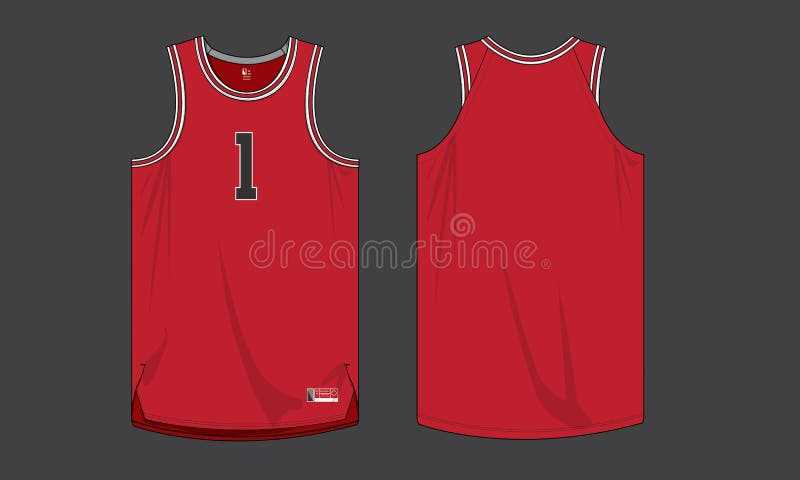
To create your own team outfits with personalized designs, start by choosing fabrics suitable for printing. For athletic wear, polyester is highly recommended, as it holds ink well and ensures long-lasting durability. Make sure to choose a material that is breathable, moisture-wicking, and comfortable for physical activity.
Next, consider the type of printing method. Heat transfer printing is often a go-to option for vibrant designs and logos, while screen printing offers excellent quality for larger orders. Each method has its advantages depending on the volume and the complexity of the artwork. For intricate, multi-colored designs, heat transfer might be the best option, whereas screen printing is ideal for bulk production with fewer colors.
Software plays a significant role in the design process. Programs like Adobe Illustrator and CorelDRAW allow precise control over your artwork, but even free tools like GIMP can produce satisfactory results for simpler designs. Make sure your file is in the correct format (usually vector files) for the printing method you choose.
Customizable Sports Apparel for Teams
Start by selecting a high-quality fabric that supports your design. For sports uniforms, polyester remains the best choice due to its ability to retain print clarity while maintaining breathability. It’s lightweight, quick-drying, and resistant to fading, making it perfect for intensive physical activities.
If your design includes intricate details or multi-color logos, ensure you choose the right printing technique. Direct-to-Garment (DTG) printing allows for detailed designs, while sublimation works best for all-over prints and vibrant graphics. Both methods ensure durability, but the choice depends on the type of artwork and the fabric used.
When selecting colors for your team gear, ensure the ink or dye chosen is compatible with the fabric. Using the wrong combination can result in poor color adhesion or fading after washing. Test on a small fabric sample before printing the entire batch to avoid disappointing results.
The fit and cut of the gear are just as important as the design itself. Opt for athletic cuts that allow ease of movement without sacrificing style. A snug fit is ideal for performance, while a looser fit can be more comfortable for casual wear. Make sure to measure carefully to accommodate various body types within the team.
For larger orders, it’s often more economical to use screen printing, especially for basic designs that use fewer colors. This method is cost-effective in bulk and provides a uniform appearance across all pieces. On the other hand, heat transfer is more suited for small runs or customized names and numbers.
Ensure your design files are high-resolution and formatted properly. Vector files (like AI or EPS) are ideal, as they can be resized without losing quality. Make sure your artwork is at least 300 DPI for sharp details and clarity in the final product. If you’re unsure about your files, consult with the printer to ensure compatibility.
Maintenance is another key factor to consider when designing team gear. Choose printing methods that withstand frequent washing. Both sublimation and DTG provide durable results, but screen printing often requires more care in laundering. Always follow the manufacturer’s care instructions to keep designs looking fresh.
Finally, consider incorporating unique features into your designs, such as custom logos or slogans that represent the team’s spirit. Personalization helps build team identity and boosts morale, creating a stronger connection between players and fans alike. Keep the design clean and impactful for maximum visual appeal.
Choosing the Right Material for Custom Team Gear
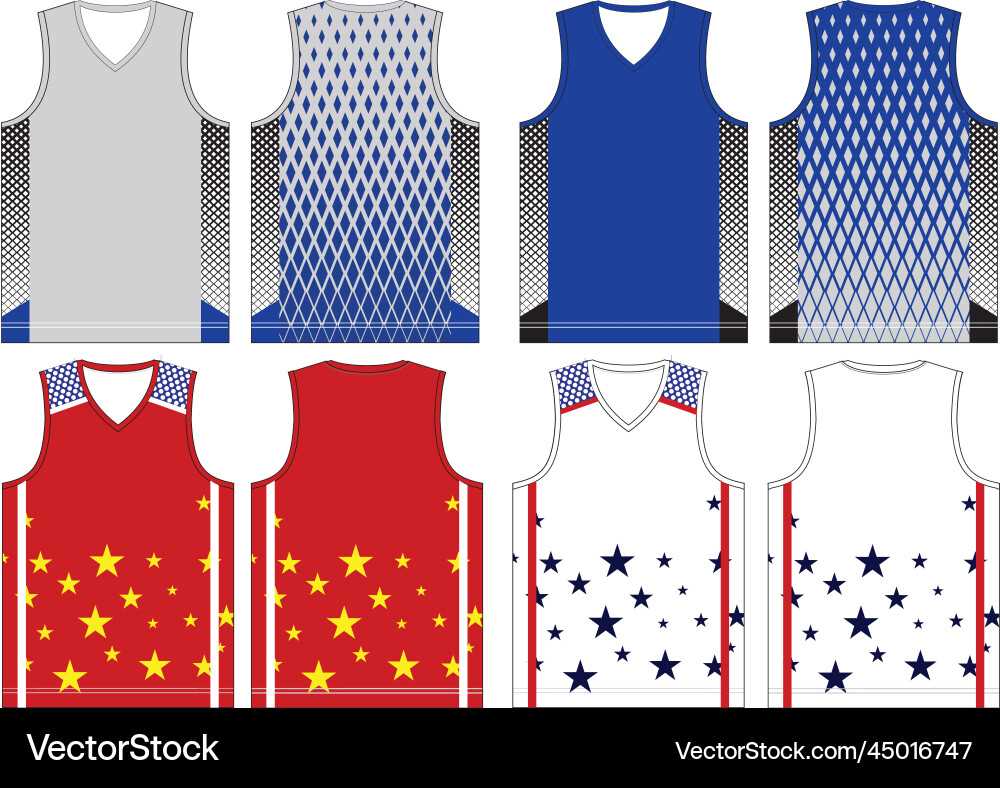
Polyester is the most popular fabric choice for team uniforms due to its moisture-wicking properties and durability. It helps keep players cool and dry during intense activity, making it ideal for fast-paced sports. Additionally, polyester holds prints well without compromising the fabric’s flexibility, which is important for ease of movement. For high-quality results, ensure the fabric has a smooth surface that facilitates better ink adhesion and longevity.
If you’re looking for added comfort, consider blends of polyester and spandex. These materials offer enhanced stretchability while maintaining shape retention. This combination allows for a better fit and greater freedom of movement. Keep in mind that while cotton offers softness, it’s not as effective at managing moisture or holding prints as synthetic fabrics like polyester, making it a less suitable option for active wear.