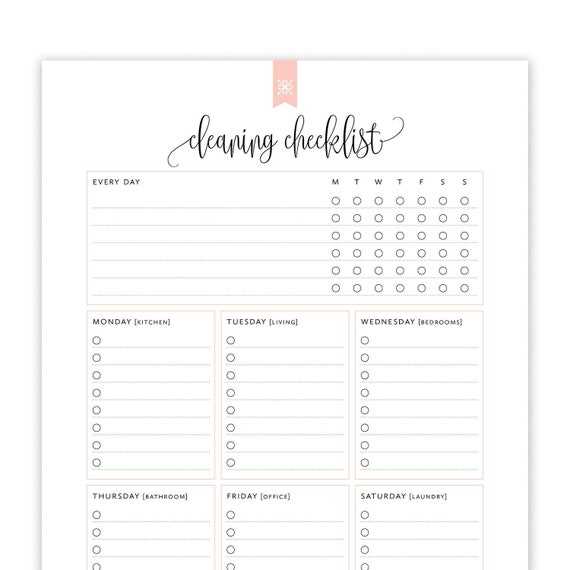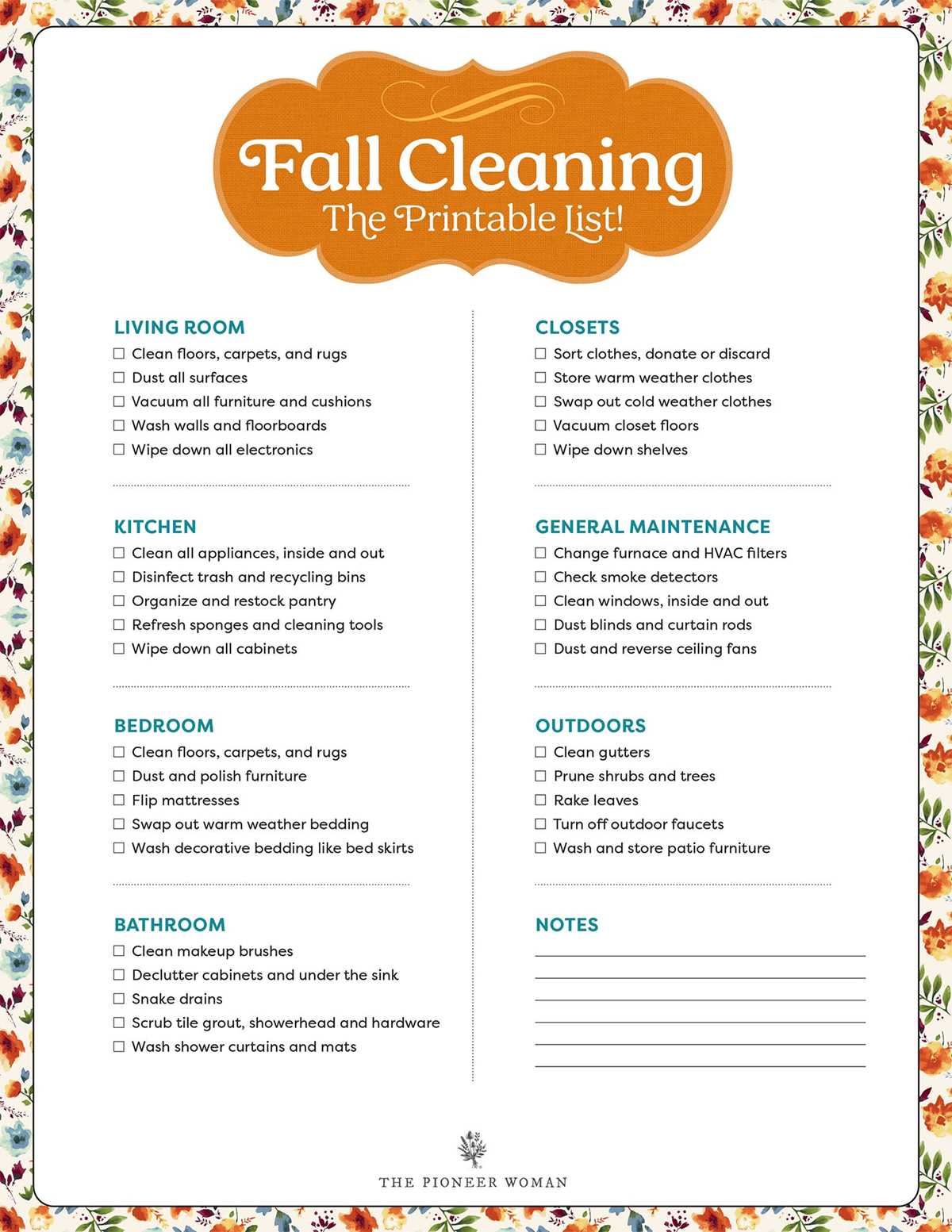
If you want to keep track of tasks in each room of your home, start by breaking down chores into smaller, manageable sections. Instead of writing down vague goals, list specific activities like wiping down surfaces, dusting shelves, or vacuuming floors. This will help you stay focused and ensure that no task is overlooked.
Divide your duties by frequency–daily, weekly, and monthly tasks. For example, sweeping and taking out the trash can be done every day, while deep cleaning the oven or washing windows can be reserved for monthly chores. This helps you prioritize urgent jobs while also maintaining a long-term routine.
To make it easier, download pre-made templates that fit your home size and lifestyle. Many options offer space to mark off completed tasks, which adds a sense of accomplishment and makes it easy to pick up where you left off. Whether you need a basic version or a more detailed guide, choosing the right template will keep you organized and on top of your duties.
How to Create an Organized Chore Schedule
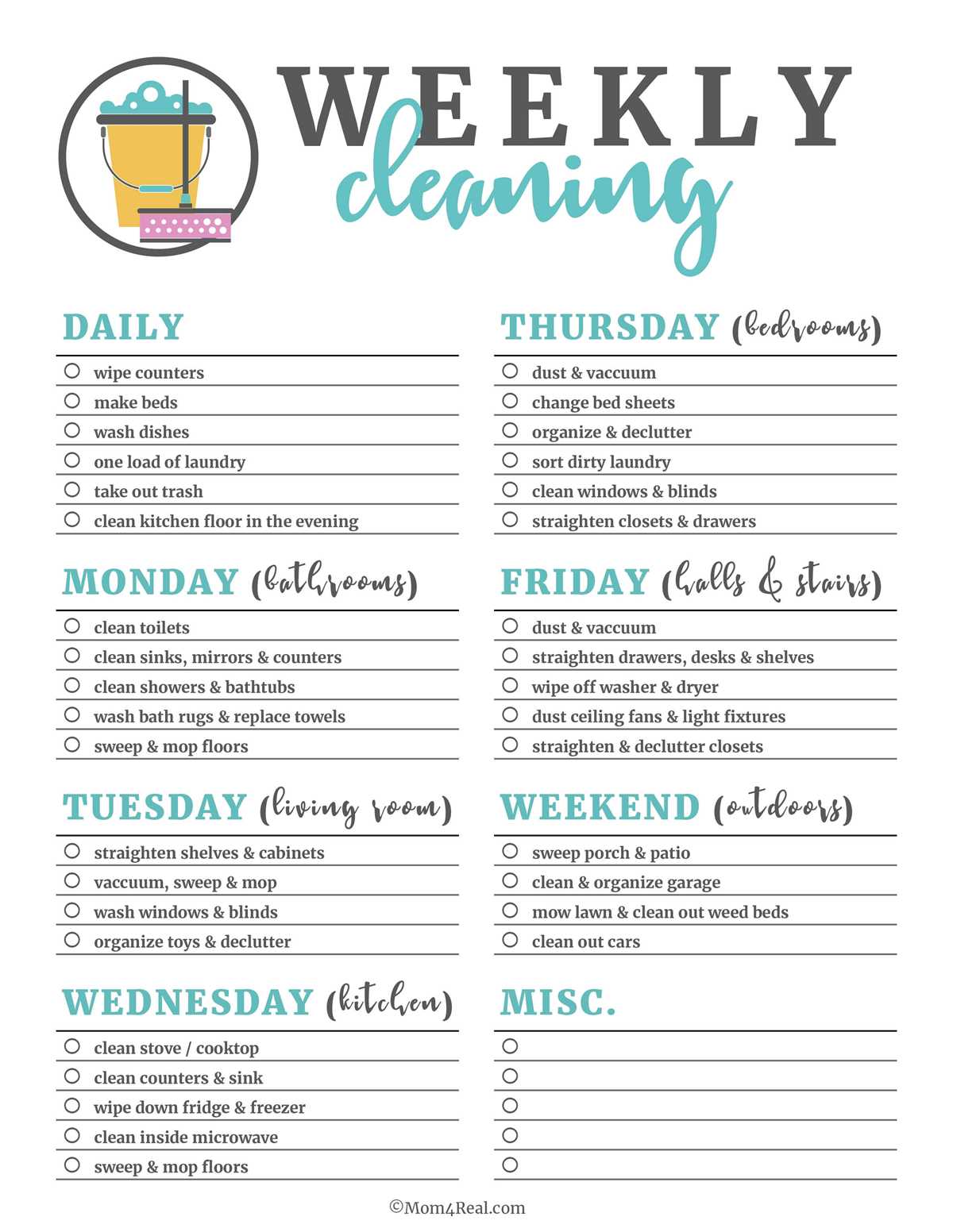
To begin organizing your tasks, divide your space into manageable areas. Assign specific chores to each room based on its needs. For instance, the kitchen will need more attention with tasks like wiping countertops, cleaning the stove, and sanitizing surfaces, while the living room might require dusting and vacuuming. A well-structured approach keeps everything in order.
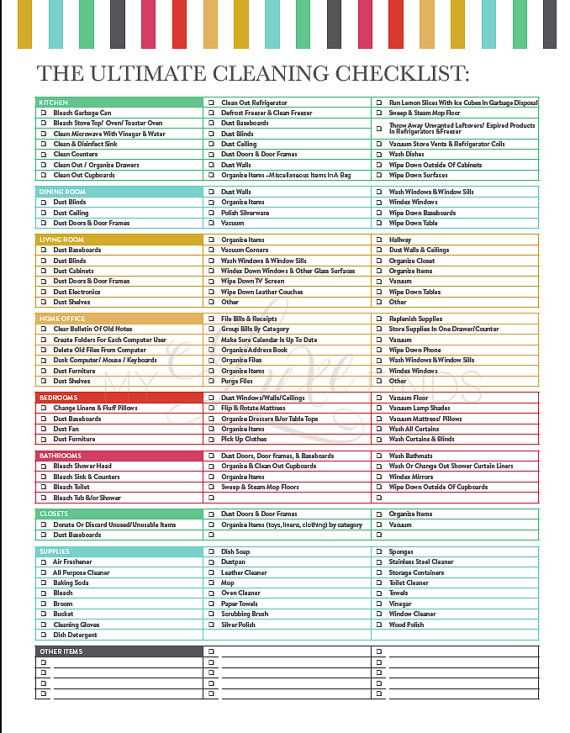
Once you’ve divided your areas, list what needs to be done in each room. Be specific–don’t just write “clean the bathroom.” Instead, include tasks like scrubbing the sink, wiping down mirrors, and sanitizing the toilet. This helps prevent overlooking any detail and makes sure everything is taken care of.
Organize your chores by frequency. Daily tasks like making beds or tidying up should be easy and quick to complete. Weekly tasks like dusting or vacuuming can be planned for specific days. For deep cleaning activities, schedule them once or twice a month. This approach ensures that you tackle everything without feeling overwhelmed.
Use a chart or grid format to make the schedule easy to follow. Create columns for each day of the week or the date, and fill in the tasks for each day. This visual approach provides clarity, and ticking off completed tasks adds motivation to continue.
If your schedule doesn’t fit your lifestyle, adapt it. If you’re too busy during the week, consider doing some chores on the weekends. Alternatively, group certain tasks together–like cleaning all floors in one session or washing windows and blinds on the same day. Flexibility will help you maintain the routine in the long run.
Finally, don’t hesitate to adjust your routine based on what works. If you find that certain chores are too demanding, break them down into smaller steps. Over time, the schedule will become a natural part of your weekly routine, allowing you to maintain cleanliness without extra stress.
How to Create a Detailed Cleaning Checklist for Each Room
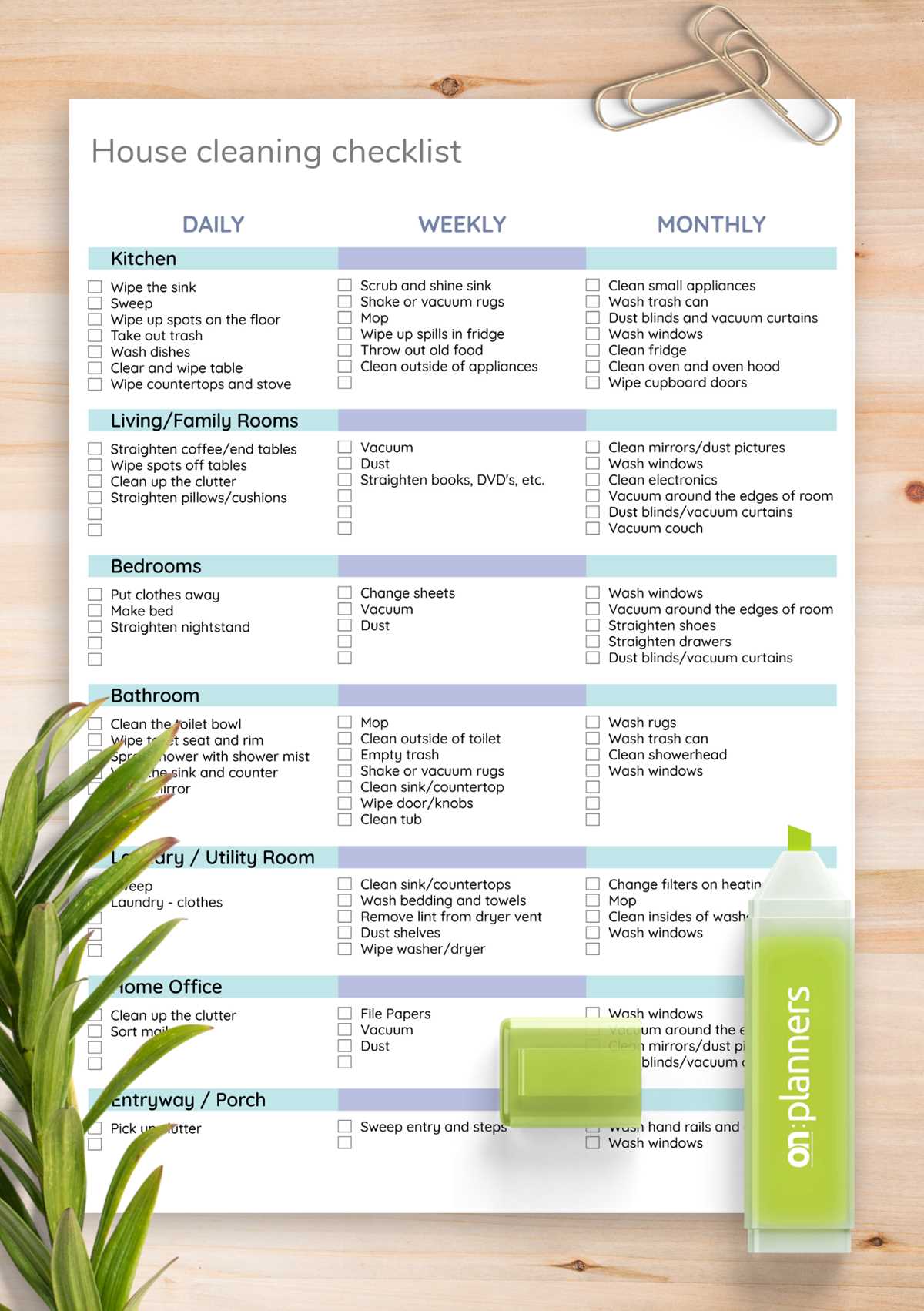
Begin by identifying the unique tasks for each space. For the kitchen, include activities like cleaning the fridge, scrubbing the sink, wiping down appliances, and sanitizing countertops. The bathroom requires attention to the toilet, shower, mirror, and sink, along with mopping the floor. Break each space into specific chores to make sure every area gets the right level of attention.
To ensure you cover all bases, list tasks by frequency. Some chores, like wiping surfaces or sweeping, should be done daily, while others, like washing windows or deep cleaning carpets, might only need to be tackled once a month. Be detailed with your schedule, noting even small tasks like emptying trash cans or organizing drawers to keep everything orderly.