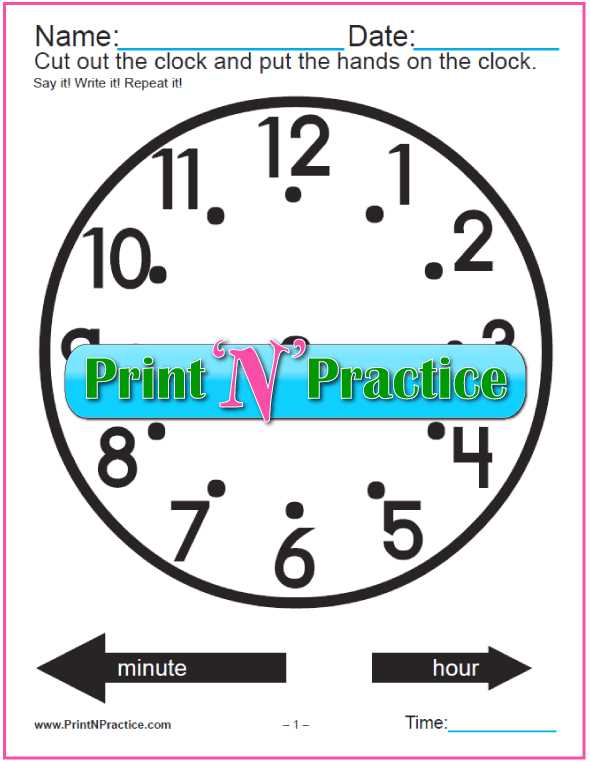
To help students quickly grasp how to read analog faces, use customizable resources with clear hour and minute hands. These resources can be printed in different sizes to suit both small group instruction and individual work. Providing visual aids that students can manipulate will strengthen their understanding of the relationship between numbers and the passing of time.
Make sure to choose images that clearly differentiate each section of the clock, with well-marked intervals for every 5 minutes. This allows children to focus on minute details without becoming overwhelmed by too many divisions. Using clocks with distinct colors can further support visual learning, especially for younger students.
If you’re teaching students of varying skill levels, create multiple versions with different levels of difficulty. For beginners, start with simple clock faces that focus on the hour and half-hour, and gradually introduce more complex versions that include quarter hours and finer divisions. This will encourage step-by-step progression and avoid confusion.
Interactive Tools for Learning to Read Analog Faces
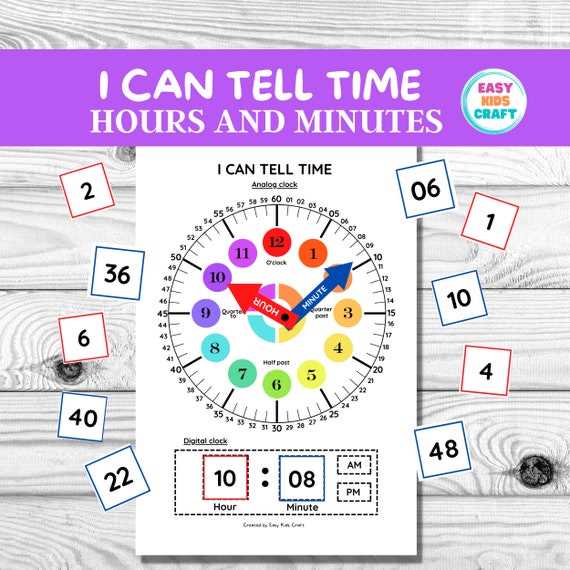
Start by using visual materials that allow students to manipulate the hour and minute hands. This hands-on practice helps them understand how time progresses and the relationship between the two hands. Providing resources with movable parts will solidify their grasp of how each hand functions differently.
Designs should begin with the basics–start with clock faces that feature only the hour hand. Once students are comfortable with this, gradually introduce minute markers and the second hand. This step-by-step approach makes the process less intimidating and encourages mastery at a manageable pace.
Use color to differentiate between the hour hand and minute hand. Assigning distinct hues to each will make it easier for young learners to distinguish their functions. Additionally, color-coded sections for intervals such as quarters can be an effective way to reinforce the concept of specific time increments.
Introduce worksheets where students match written times to the corresponding analog face. This exercise bridges the gap between abstract numbers and their practical, real-world application. Matching digital times with analog faces can improve recognition and provide opportunities for repetition.
Another valuable practice is incorporating real-world situations into the activities. For example, you can ask students to calculate the difference between two times, such as how many minutes until a specific event or what time an activity will start. This exercise links the abstract nature of telling time to their daily lives.
For students who need more challenge, create worksheets that feature more complex analog faces, such as clocks showing multiple time increments within the same exercise. These more intricate tasks will sharpen their attention to detail and improve their fluency in reading different forms of analog time.
End each lesson with a timed quiz or interactive game where students must identify the correct time on an analog face quickly. This not only builds their confidence but also helps reinforce the lesson by giving immediate feedback on their progress. Make sure to rotate activities to keep the experience engaging and diverse.
How to Use Printable Tools for Mastering Analog Faces
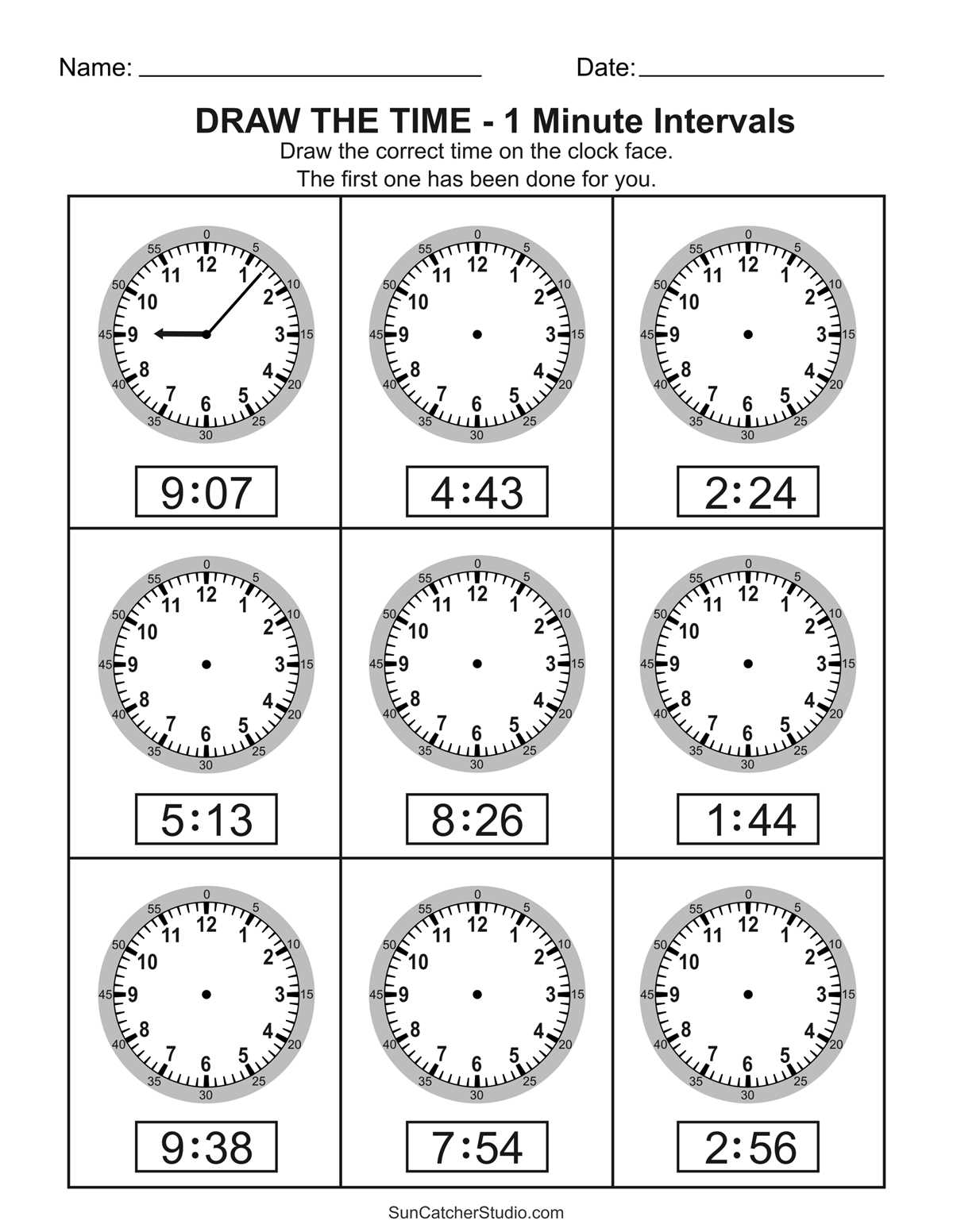
To help students understand how to read an analog face, start by giving them interactive worksheets with large, simple images. Begin with a clock showing only the hour hand and clearly marked numbers. This allows students to focus solely on reading the hour, which is the first step in building confidence.
As learners get comfortable with the hour hand, introduce a second face that includes both the hour and minute hands. Make sure the minute markers are clearly visible, with intervals marked at 5-minute increments. This step will help students recognize how the hour and minute hands work together to tell the full story of the time.
Use materials that allow students to physically move the hands on the clock face. These hands-on tools provide an interactive way for learners to manipulate the face and gain a deeper understanding of how each hand moves. Practicing this skill with printable materials reinforces their knowledge in a practical way.
Introduce color to differentiate the two hands. Use one color for the hour hand and another for the minute hand. This will make it easier for students to quickly recognize which hand represents which unit of measurement, especially when they are just starting to grasp the concept of reading analog faces.
Incorporate a variety of exercises where students must match written times with the analog face. Provide time in both word and numerical form, challenging students to identify the corresponding face. This exercise connects different representations of time and allows students to practice switching between them.
Another useful activity is giving students timed challenges where they must identify a specific time on an analog face in under 10 seconds. This builds both recognition and speed. Gradually increase the complexity of the faces as students improve, adding in challenges like quarter past, half past, and quarter to.
Finally, assess students’ understanding with quizzes or practice worksheets. Provide a mixture of easy and challenging questions that require students to identify, write, and explain times. This will reinforce their learning and give you valuable feedback on their progress. Rotate the activities regularly to maintain interest and provide varied ways to practice the skill.