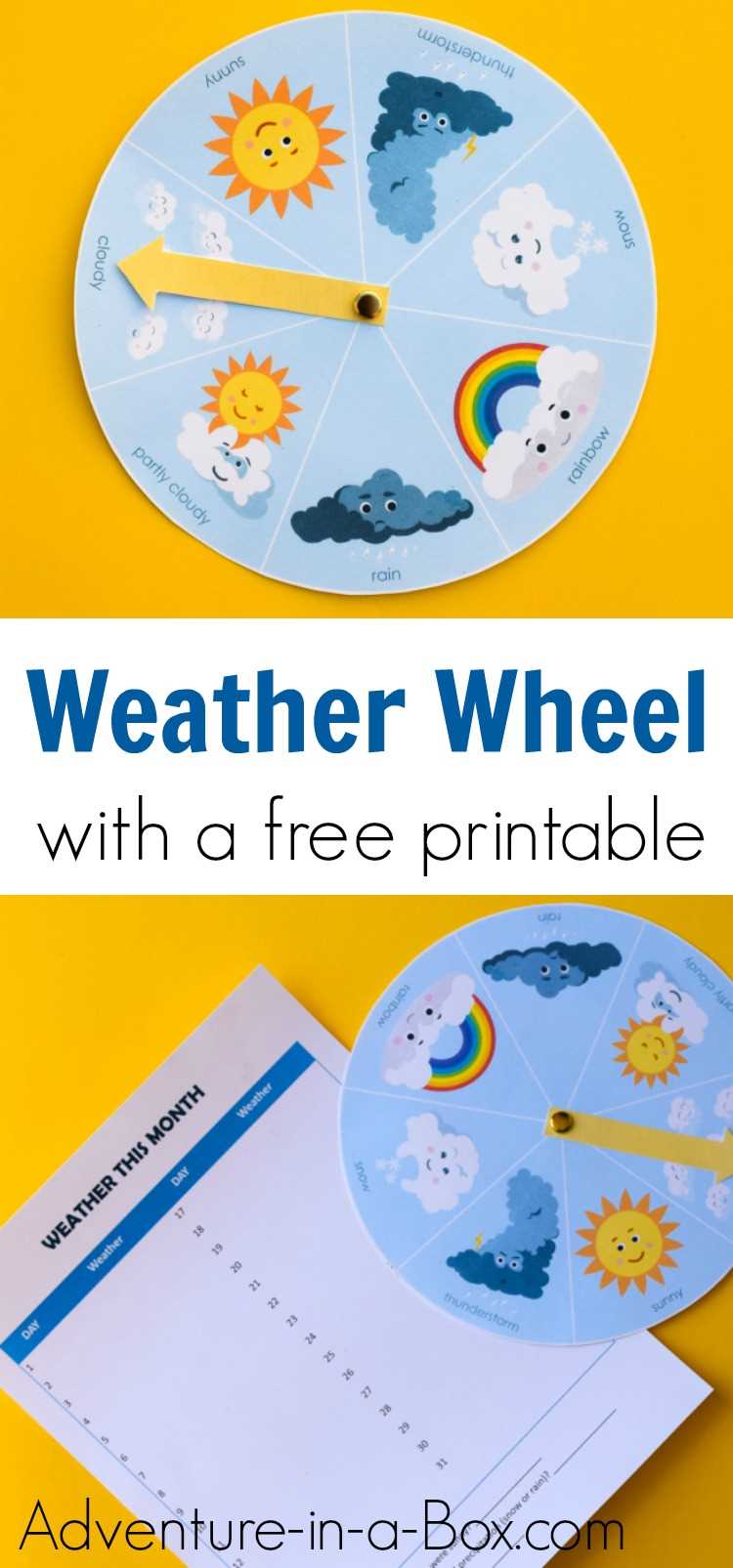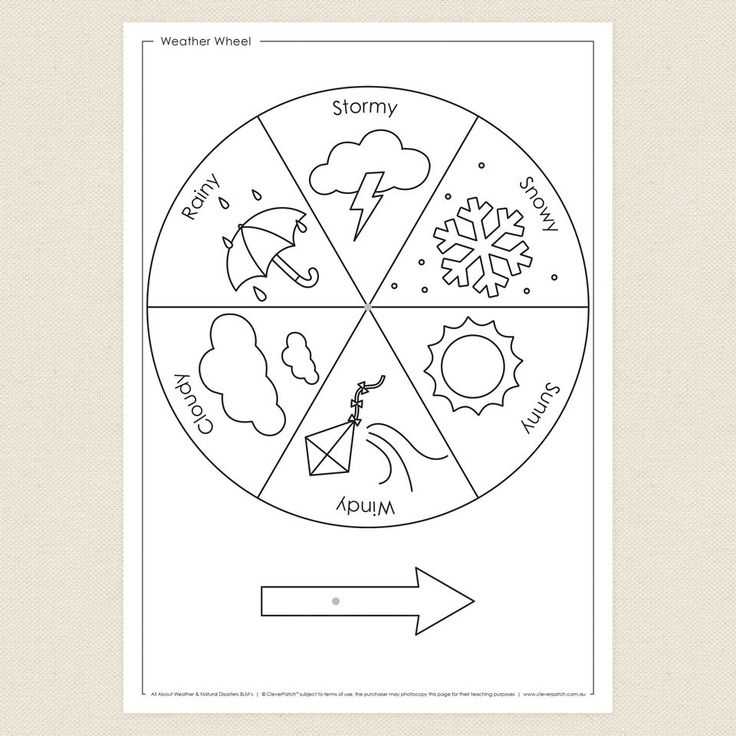
For hands-on learning, creating a rotating chart to track climate conditions is an engaging way for children to understand changes in the environment. This tool helps students recognize daily shifts in temperature, precipitation, and other key weather patterns. By using colors and symbols to represent various conditions, this tool serves as both an educational resource and a fun activity.
Whether in the classroom or at home, it’s easy to assemble your own visual guide to document weather patterns. You’ll need basic materials like paper, markers, and scissors to cut out the various sections of your chart. Once put together, it becomes a dynamic tool that not only helps children learn but also keeps them engaged in tracking weather throughout the week.
After creating the structure, encourage kids to update their charts daily by observing the sky or checking a forecast. This practice reinforces their understanding of different weather types and their impact on daily life. Over time, they will gain confidence in predicting and understanding how weather affects their routines, activities, and surroundings.
Creating a Simple Rotating Weather Chart for Kids
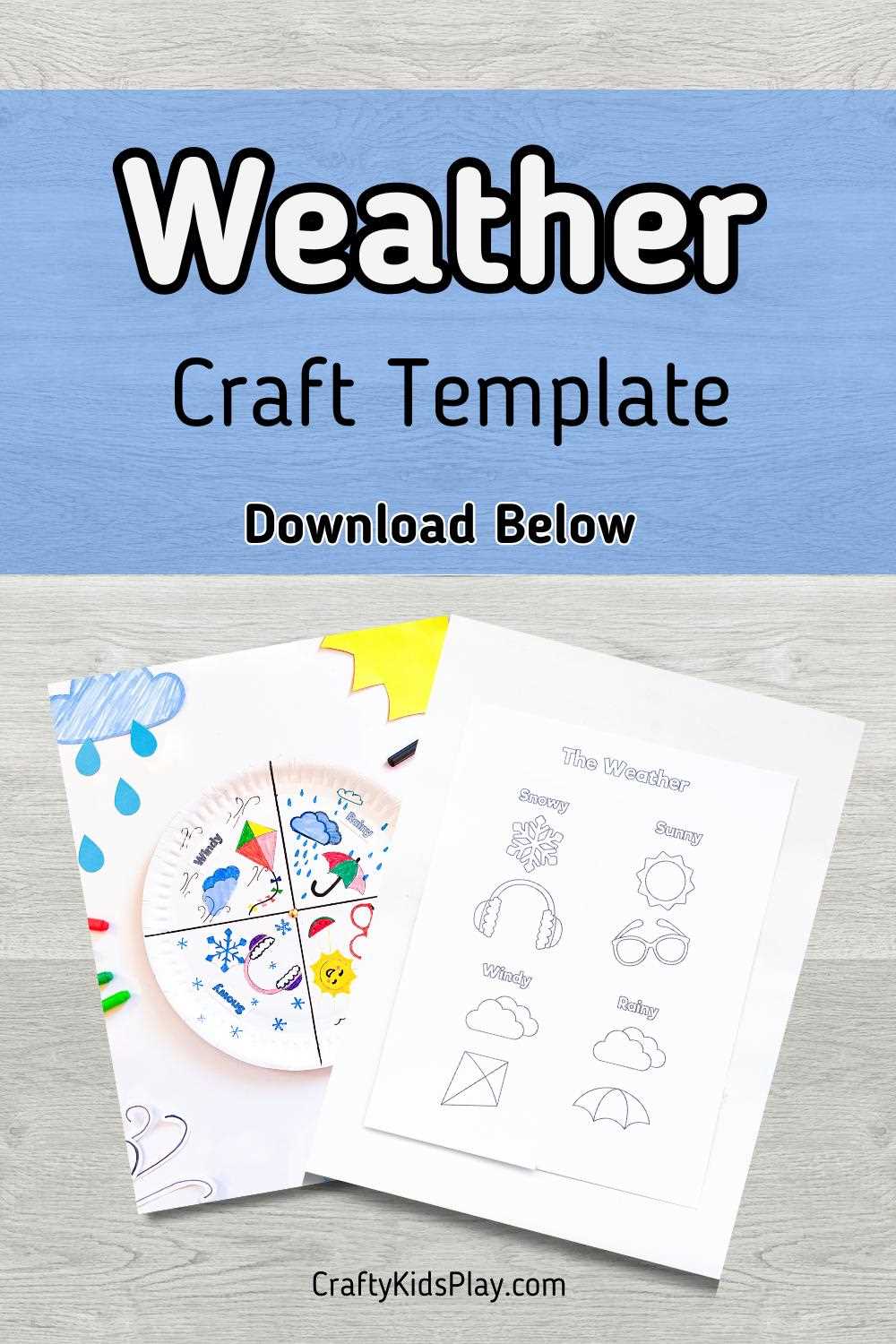
Start by drawing a large circle on a piece of cardboard or thick paper. Divide the circle into sections, each representing a different climate condition. For example, you could use labels like “sunny,” “cloudy,” “rainy,” and “snowy.” Make sure to leave enough space in each section for symbols or pictures that will help visually represent the weather, like a sun, cloud, raindrop, or snowflake.
Once the sections are labeled, it’s time to color each one according to its meaning. Bright yellow for sunny, gray for cloudy, blue for rainy, and white for snowy. You can even get creative and use additional colors for other weather conditions such as windy or foggy. If you’re making this for younger children, using markers or crayons can be a fun, interactive part of the process.
Next, cut out a smaller circle in the center to create the rotating part of the chart. Attach a small fastener (like a brad) in the middle of both the large circle and the smaller one. This will allow the inner circle to rotate while keeping the large circle fixed. The inner circle can be turned daily to match the actual weather outside.
To keep it engaging, encourage kids to rotate the inner circle every morning to match the day’s conditions. This not only reinforces their understanding of weather patterns but also helps them stay engaged with the concept of daily climate shifts. You can even make this part of their morning routine.
As they track the weather, introduce new lessons about how and why different conditions occur. For example, explain the difference between a cloudy day and a rainy one or what makes a sunny day so warm. These conversations can lead to deeper learning and spark curiosity about the natural world.
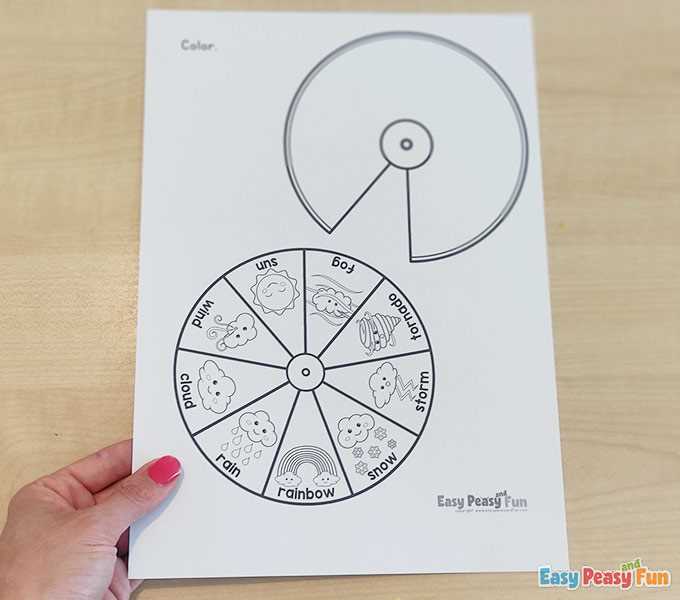
If you want to go further, create a weekly tracking system. For example, at the end of the week, they can count how many days were sunny, rainy, or snowy. This is a great way to teach simple data collection and graphing. A chart can be added next to the rotating section to show the daily weather in a more structured way.
Finally, don’t hesitate to make adjustments to the chart as your child learns more about weather. You can add new sections for more specific conditions like thunderstorms or windy days, or even let them choose their own weather symbols. The possibilities are endless, and this tool can grow along with their understanding of the environment.
How to Design a Simple Weather Wheel for Kids
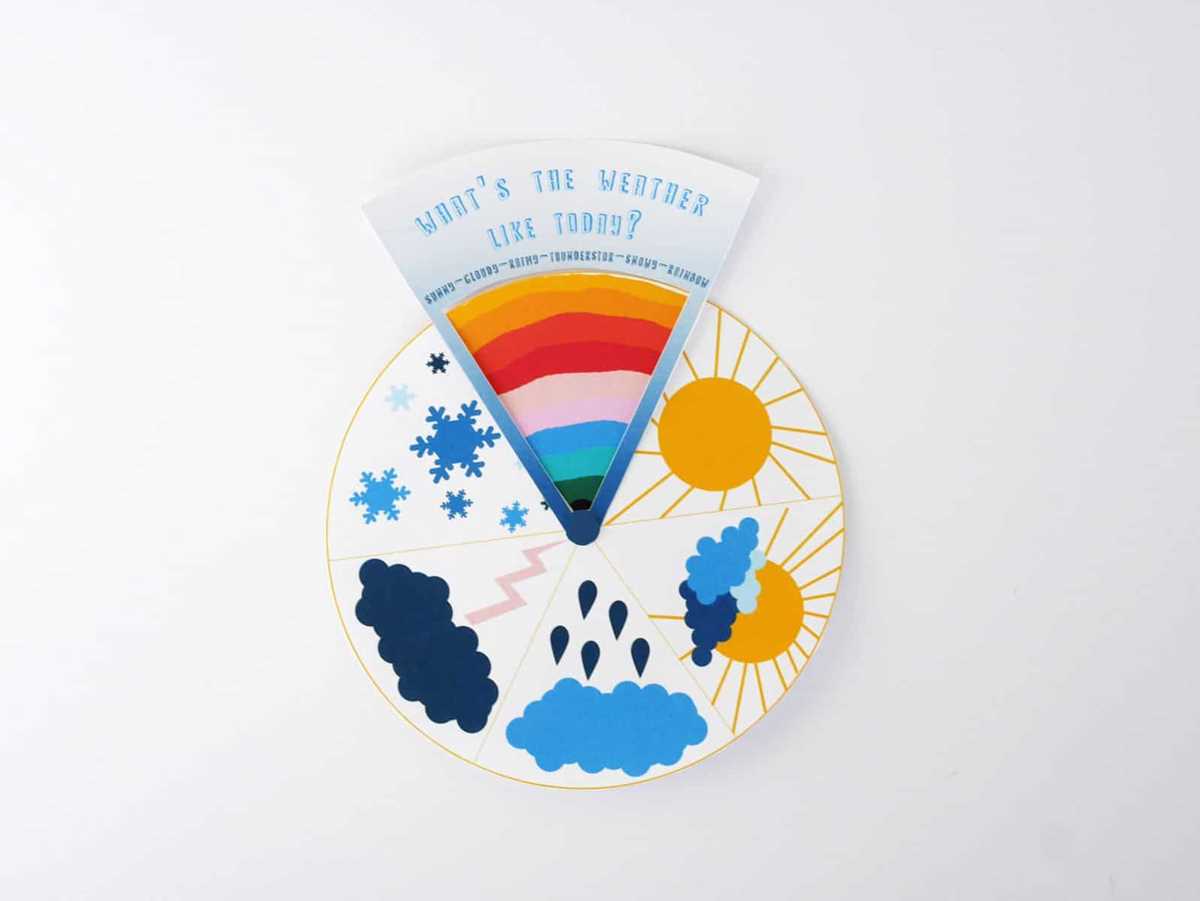
Start by selecting a sturdy piece of paper or cardboard to create the base. Draw a large circle and divide it into sections to represent various climate conditions, such as sunny, rainy, cloudy, and snowy. Each section should be clearly labeled, and you can use pictures or simple icons to represent each weather type, making it more engaging for younger children. Use bright, easy-to-recognize colors for each section, such as yellow for sunny, gray for cloudy, and blue for rainy, to help kids visually associate each condition with its corresponding weather pattern.
Next, create a smaller rotating piece that will sit on top of the main circle. This can be a smaller circle or a spinner that indicates the current weather for the day. Attach it securely to the center of the large circle with a brad fastener so that it can rotate easily. Encourage children to update the spinner each morning to match the current weather outside. This interactive activity not only teaches kids about different weather patterns but also helps them develop an understanding of how these patterns change day by day.