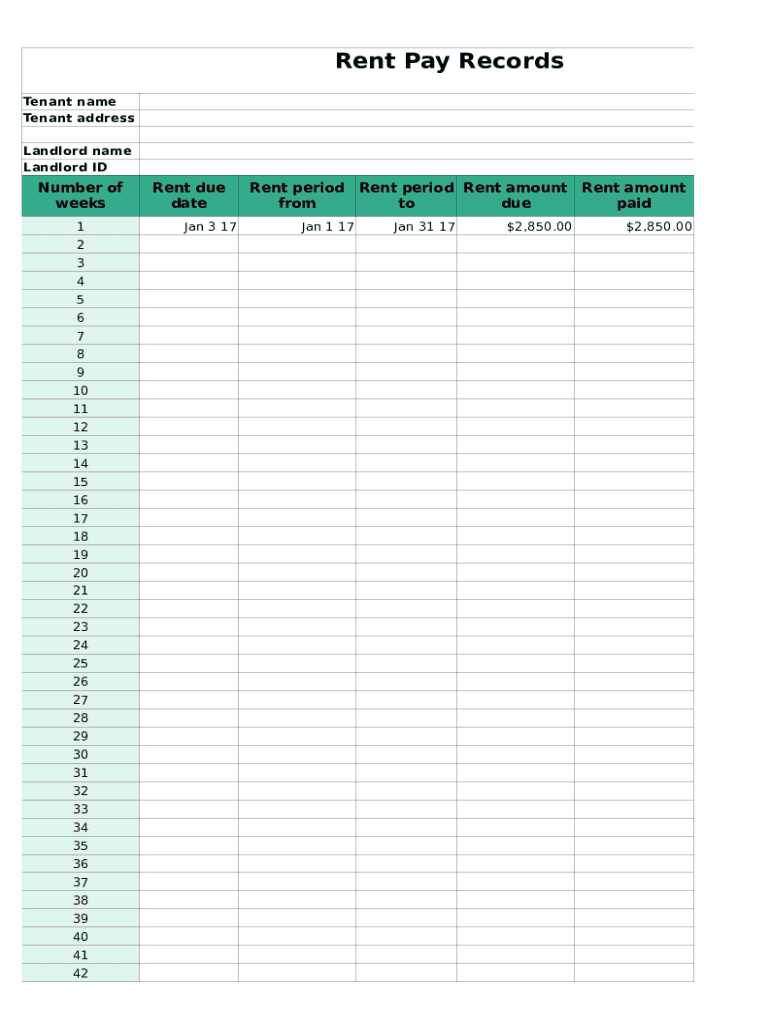
To keep track of payments and financial records, use a clear and structured sheet that allows you to easily record due amounts, payment dates, and balances. This method reduces the chances of missing any payments or confusing financial details.
A well-organized document is key for both tenants and landlords. Each entry should include the tenant’s name, payment amount, payment date, and any notes for clarification. Tracking late fees or advance payments ensures transparency in all transactions.
For landlords managing multiple properties, using a digital version with simple filters or calculations can save time and provide a quick overview of any outstanding balances. However, a physical version can also help maintain a tangible backup for important records.
Whether managing a few units or many, maintaining accurate financial records builds trust and prevents disputes. Using a straightforward form that both parties can easily understand will keep everything in order, simplifying the process of tracking payments over time.
How to Use a Rent Tracking Sheet
Begin by creating columns for important details such as tenant names, due dates, and amounts owed. This ensures a clear record of every transaction and minimizes errors when reviewing payments.
Make sure to note the payment dates in a separate column. This helps track if the payment is made on time or if there are any late fees to be applied. It also provides clarity on when payments were last received.
If tenants have paid in advance, include a column for advance payments to keep track of any surplus. This will prevent confusion about overpayments or credits owed to tenants.
For properties with multiple units, add a column to specify the unit number. This makes it easier to sort through records for a particular tenant or to track payments for each individual unit within the building.
Consider adding a “Balance Due” column, where you calculate any remaining amounts owed. This column is particularly useful for tenants who pay part of the rent in installments or those with partial payments.
To prevent disputes, always document any agreements regarding late fees or other special circumstances. Create a section at the bottom or side of the document to add these agreements and clearly define any additional charges.
To ensure transparency, provide tenants with a copy of their transaction history at the end of each month or whenever requested. This will create an open line of communication and reinforce trust.
Lastly, keep a digital backup of the sheet, even if you prefer working with paper. This provides an additional layer of security and easy access to records in case the original sheet is lost or damaged.
How to Use a Rent Tracking Sheet for Better Financial Organization
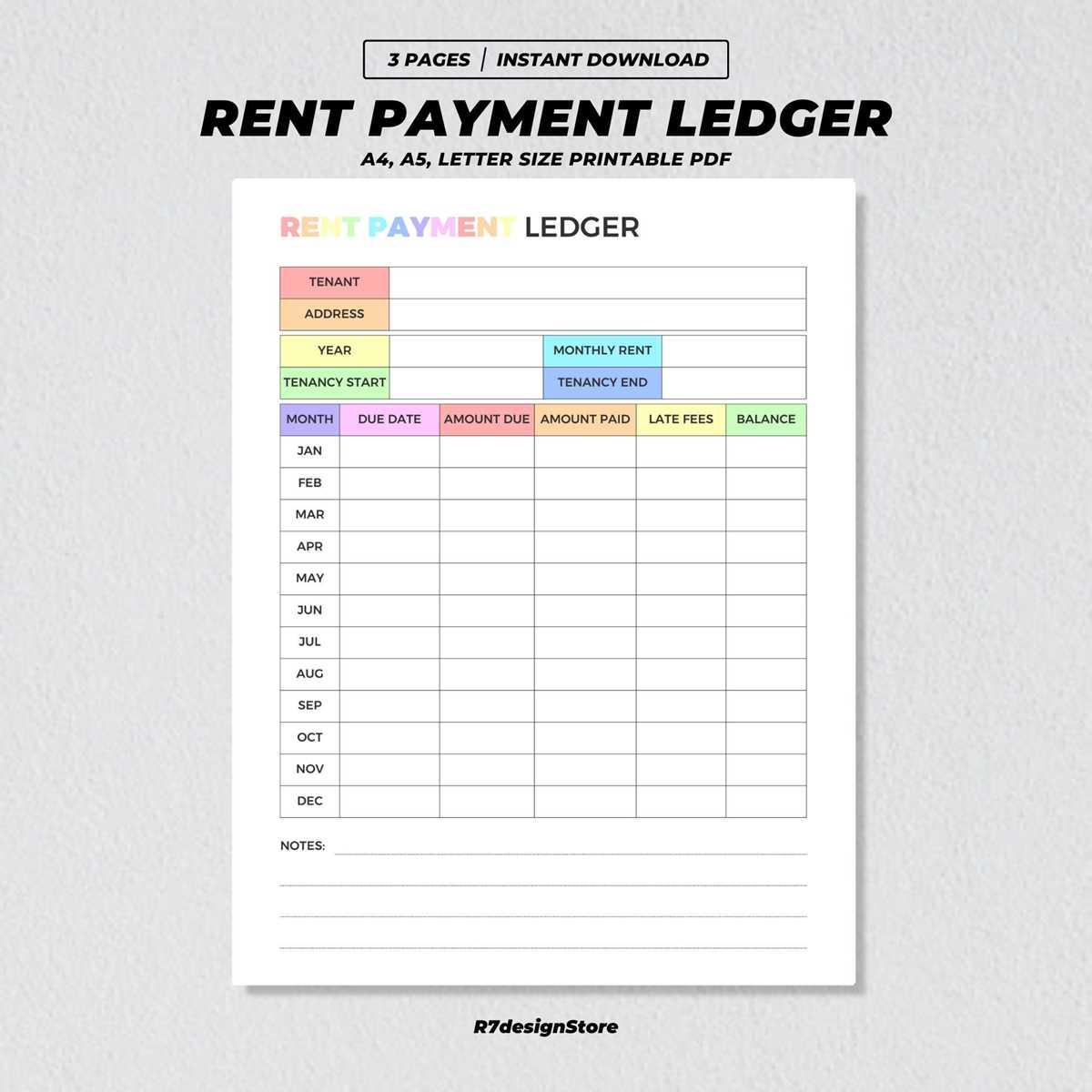
Start by creating clear categories such as tenant details, payment amounts, due dates, and payment status. By organizing this information, you can easily monitor overdue amounts and avoid late payments. Tracking the balance due also helps prevent discrepancies, offering a clearer view of your finances.
Regularly update your records and make it a habit to note any additional charges or adjustments, such as late fees or early payments. This method ensures you always have an up-to-date financial snapshot. Keeping a consistent and organized sheet reduces stress when tax season arrives and provides a quick reference for any inquiries from tenants.