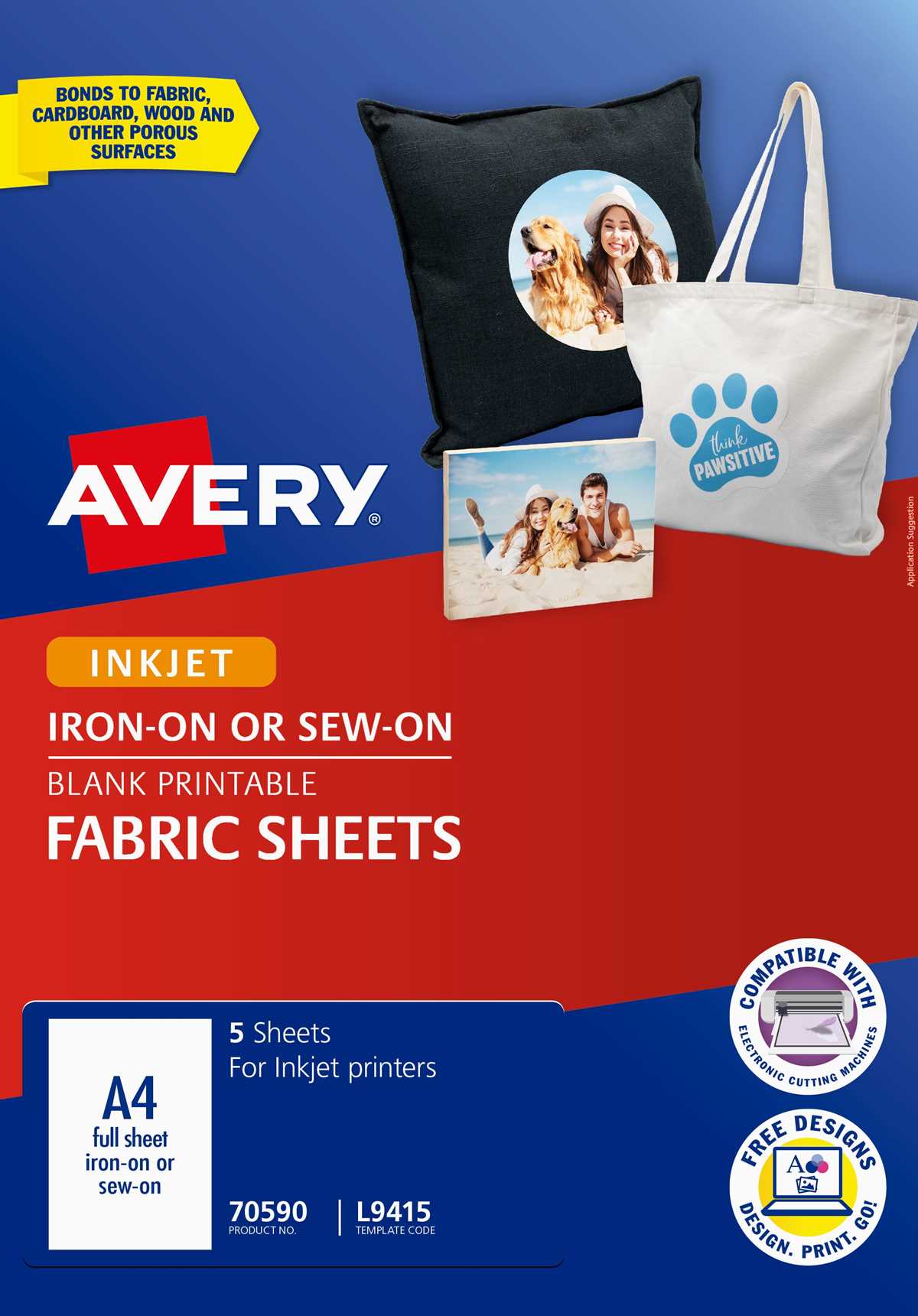
To begin, choose a high-quality transfer sheet designed for textiles. These sheets are compatible with most inkjet or laser printers, allowing you to print your designs at home with ease. Make sure your printer settings are correct, selecting the “no scaling” option to maintain the correct dimensions.
After printing, cut out your design precisely to avoid excess material around the edges. This is especially important for intricate patterns, as clean edges ensure the transfer adheres properly to the surface without peeling. Use sharp scissors or a craft knife for precision cutting.
Next, preheat your clothing or accessory. Place the item on a flat, heat-resistant surface and ensure it is wrinkle-free. The heat press or iron should be at the correct temperature–consult the manufacturer’s instructions on the transfer sheet packaging for guidance.
When applying the transfer, apply firm and even pressure across the design to ensure proper adhesion. If using an iron, move it slowly over the transfer to avoid uneven heat distribution, which can cause parts of the design to lift. Let the item cool before handling it.
Creating Custom Designs with Heat Transfers
Choose high-quality transfer sheets that are compatible with your printer type. For best results, use sheets specifically made for use on textiles, as these ensure the design adheres well without peeling over time. Check the product specifications for compatibility with your inkjet or laser printer.
Before applying, prepare the surface by making sure it’s free of wrinkles. Use a steam iron or a heat press to ensure even heat distribution. Follow the manufacturer’s instructions regarding temperature settings, as overheating can damage the material or cause the transfer to melt improperly.
After placing the transfer on the fabric, apply firm pressure evenly across the design. This step ensures the design bonds securely with the fabric. Allow the piece to cool down before handling, as this will ensure the design stays intact and prevents it from lifting prematurely.
How to Select the Best Material for Heat Transfers
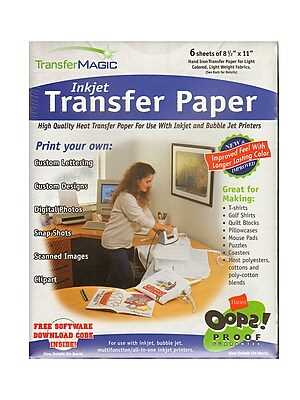
Opt for a smooth, tightly woven material like cotton or polyester. These surfaces allow the design to adhere better and provide clearer, more durable results. Avoid rough or loosely woven materials, as the design may not stick properly, and it can result in poor image quality.
Consider the weight of the material. Lighter materials like cotton or blends with a high cotton percentage are ideal, while heavier materials like denim or canvas may require additional heat or pressure. Always check the manufacturer’s guidelines to ensure the material can withstand the heat needed for transfer application.
- Make sure the fabric is pre-washed to remove any sizing or treatments that could interfere with adhesion.
- Avoid stretchy materials like spandex or Lycra, as they can distort the design when stretched.
Finally, take into account the texture of the material. Smooth surfaces yield the best results for transfers, as textured fabrics may cause uneven application or cause portions of the design to lift. If you’re working with textured surfaces, do a test run to ensure a successful transfer.