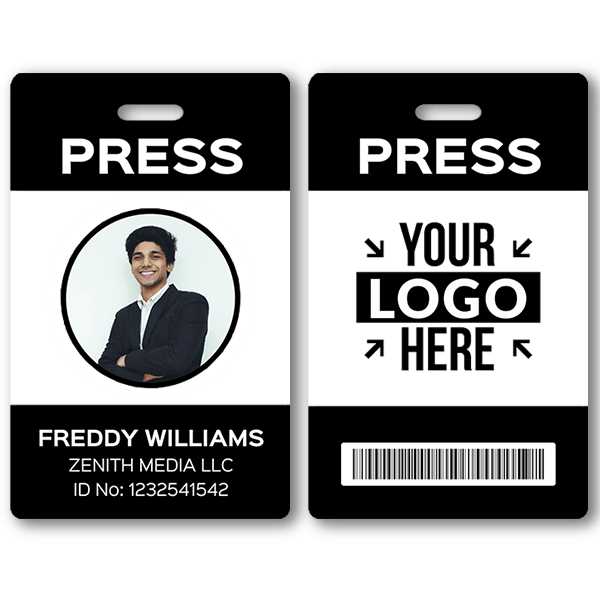
If you need to create an official ID for an event or conference, it’s important to use a format that’s easily readable and professional. Start by selecting a template that suits the event’s style. You can find numerous customizable options online, or create your own using design software like Adobe Illustrator or Canva. Ensure the size and layout match standard ID card dimensions, typically 3.5 x 2 inches for easy printing.
Focus on including key information such as the attendee’s name, role, event details, and a photo if necessary. Add a clean, readable font and choose appropriate colors that match the event’s branding or theme. For added professionalism, include a logo or sponsor information. Make sure to leave space for lanyards or clips if the cards will be worn by attendees.
Once your design is ready, ensure the resolution is high enough for clear printing. Most printers can handle the standard dimensions, but double-check the paper quality and settings for crisp text and images. You may also want to laminate the card for added durability, especially for multi-day events.
Creating a Custom Access Pass for Events
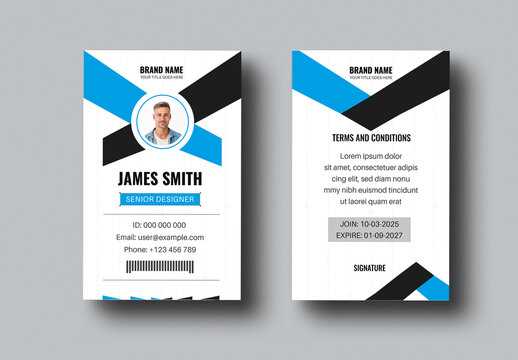
Design a personalized access card by using an online template or creating your own layout with design software like Canva or Microsoft Word. Ensure the design is clean and professional with appropriate fonts, colors, and space for the individual’s information. For large events, it is useful to have an organized system for different roles, such as media, staff, or speakers, to clearly differentiate between various attendees.
Make sure the card includes critical details such as the name of the individual, the event’s name, the date, and a photo if necessary. This ensures the card serves both as an identification tool and as an access method during the event. It’s important to ensure that the font used is legible and that the text contrasts well with the background for easy readability.
Incorporate event-specific branding by adding logos or design elements associated with sponsors or organizers. This creates a cohesive look that aligns with the theme of the event. If your event has a unique color scheme or design aesthetic, make sure the card matches this to maintain a professional appearance.
Once the design is ready, it’s crucial to check the resolution before printing. Use a high-quality paper, ideally 200gsm or thicker, for durability. If you want to ensure the card lasts throughout the event, consider laminating it. This will help protect the card from wear and tear, especially if it’s going to be used for multiple days or under challenging conditions.
After printing, don’t forget to add a clip or lanyard hole so that the card can be worn comfortably. If the card is meant to be worn visibly, ensure that the dimensions are appropriate for easy handling, typically around 3.5 x 2 inches. Additionally, make sure to keep a few extra cards on hand in case replacements are needed during the event.
How to Create a Custom Access Card for Your Event
Start by selecting the right software for designing your access card. Tools like Adobe Illustrator, Microsoft Word, or free online options like Canva are great for creating a simple yet professional design. Choose a template that aligns with the tone of your event–formal, casual, or corporate.
Ensure that the design includes essential elements, such as the event’s name, date, and location, as well as a space for the attendee’s name and role. Include a section for a photograph if needed, or opt for a QR code to make the card easily scannable for quick access verification.
Incorporate your event branding by adding logos, colors, and any specific theme elements. If your event has multiple categories (e.g., staff, speakers, VIPs), ensure each role is visually distinct. Color coding or icons can help attendees easily identify their status at a glance.
Once you have your design, check the resolution to ensure sharp printing. Cards should be printed at a high resolution (at least 300 DPI) to maintain clarity. If you plan to print in bulk, using a professional printing service will ensure quality results and save time.
For durability, opt for a sturdy material, such as thick cardstock or plastic. Laminating the cards after printing provides additional protection, especially for longer events or multi-day conferences. Laminated cards are more resistant to wear and tear.
Include a lanyard hole or clip option to make the card wearable throughout the event. This allows attendees to display their credentials at all times, ensuring smooth access and security checks. Consider using a plastic sleeve or cardholder for a more polished look.
Finally, prepare a backup plan in case of lost or damaged cards. Print a few extras and keep a list of all registered attendees so replacements can be quickly issued. This will prevent any disruptions at the event.