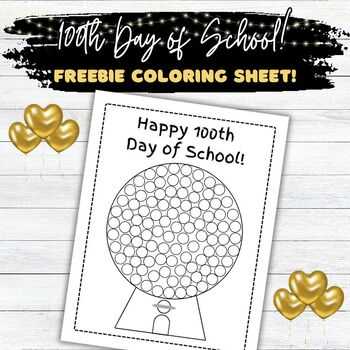
Start by downloading the colorful dispenser design, which is perfect for interactive learning during milestone celebrations. This fun visual activity will engage students in a creative way while reinforcing counting skills and pattern recognition.
After printing, cut out the sections of the design and ask students to color in the sections, customizing their dispenser. This hands-on project helps children focus on detail while practicing basic concepts related to numbers, shapes, and colors.
For teachers looking to add an educational twist, assign tasks where students place objects or stickers in the dispenser to represent a certain quantity. This method can reinforce math skills while making learning enjoyable and memorable.
Designing a Fun Candy Dispenser for Milestone Celebrations
Begin by selecting a fun and colorful design for the candy dispenser. The more engaging the design, the more likely it is to capture students’ attention. Choose a vibrant color palette and clear, easy-to-follow sections for kids to color and personalize.
Once the design is printed, ensure that the cut-out sections are easy for young learners to handle. Simplify the process by providing templates that break down the assembly steps into manageable parts, so students can enjoy the activity without feeling overwhelmed.
Incorporate a hands-on approach by allowing students to decorate their candy dispensers using colored markers, stickers, or even small embellishments like glitter. This helps to keep them actively involved in the learning process while developing their fine motor skills.
Consider using the dispenser design as a way to practice counting. Have students add small objects or stickers to represent a specific number, such as 10 or 20. This simple task can reinforce numerical concepts in a fun, interactive way.
Use the dispenser as a tool for pattern recognition. After coloring, students can add various colored circles to represent a pattern sequence. This activity introduces them to pattern creation and gives them a hands-on learning experience.
For those who want to make the activity even more engaging, integrate it with a classroom challenge. Set up a reward system where students can earn “candies” (tokens or stickers) by completing tasks. Let them add these “candies” to their dispenser and track their progress throughout the activity.
In addition to practicing math and patterns, this activity also promotes teamwork and sharing. You can have students work together to decorate a large dispenser, or pair them up to create their own. This encourages social interaction and collaboration.
To expand the learning further, use this craft as a springboard for a discussion about the significance of milestones in education. Relate the task to the concept of achieving a goal or reaching a significant milestone in life, making it a meaningful experience for students.
How to Download and Print the Candy Dispenser Design
To begin, search for a suitable design online or through a trusted resource. Ensure the image or file is high-quality for clear printing. Most websites will offer a simple “Download” button, which you can click to obtain the file to your device.
After downloading, open the file on your computer using a PDF reader or image viewer, depending on the file format. This ensures that the image is properly displayed and ready for printing without distortion.
Check the print settings before proceeding. Make sure the scale is set to 100%, so the design will be printed at the correct size. Avoid using “Fit to Page” options, as they may resize the image and affect its proportions.
Use a color printer for the best result. A color printer will make the design more engaging, and it will look more appealing for students. If you don’t have access to a color printer, printing in black and white is still an option, but it may require additional coloring by hand.
For best results, print the design on sturdy paper such as cardstock. This will make the design more durable and easier to handle during the assembly or crafting process.
If the design includes multiple pages, print each page separately. Ensure that all pages align correctly when cut out so that the pieces fit together properly during assembly.
Once printed, use scissors or a paper cutter to carefully cut out each section of the design. Take your time with this step to ensure clean edges for a better final result.
Finally, gather any additional materials needed for the project, such as coloring tools or embellishments. With the design ready, you can start assembling the pieces or allow students to add their creative touches for a personalized result.