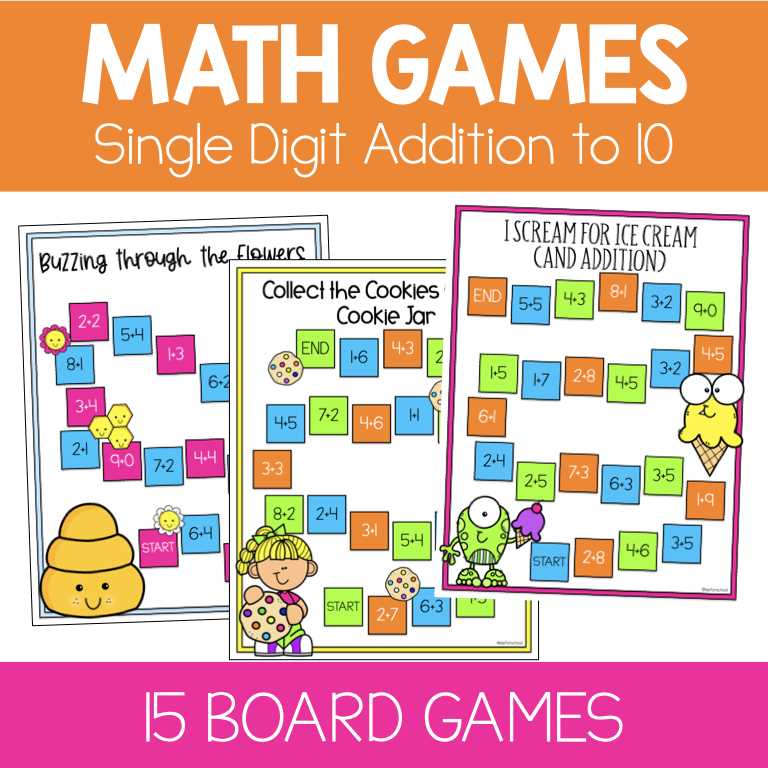
Start by downloading a variety of worksheets that focus on number patterns, simple operations, and logical thinking. These activities are designed to make learning fun and interactive while reinforcing fundamental concepts. Once you have a collection of printable materials, you can choose exercises that fit your child’s current understanding, ensuring they stay challenged without feeling overwhelmed.
These resources are perfect for turning practice into a game. Consider using timed challenges or creating friendly competitions to motivate children to complete each task. Incorporating rewards for achieving certain milestones can also help keep them engaged while they sharpen their skills. You can even introduce a “mystery reward” for completing a series of challenges to add an element of excitement.
For more hands-on activities, try combining worksheets with visual aids or physical objects like counters or dice. This helps solidify abstract concepts by making them tangible. You can also mix digital tools with traditional exercises, like using an app to quiz your child on the same topics they’ve worked on with printed tasks. The key is to maintain variety and keep the challenges fun and rewarding.
Engaging Activities to Reinforce Problem-Solving Skills
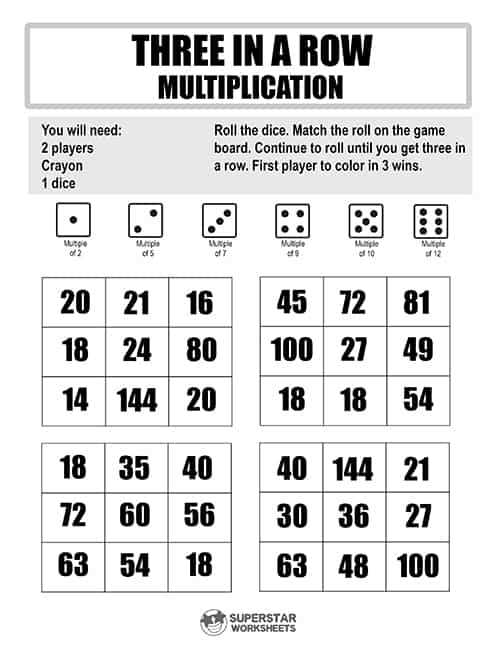
Start by using worksheets that cover key concepts like addition, subtraction, and basic multiplication. These exercises are designed to be simple yet effective, allowing students to practice skills in a structured format. Choose tasks with a variety of problem types to keep the learning experience engaging and dynamic.
One effective way to increase student interest is by turning basic operations into fun challenges. Set up a timed race where students must complete a set of problems as quickly as possible, or create a “bingo” game where each student marks off a square once they solve a problem. These techniques keep children focused while reinforcing their skills.
For students who enjoy a bit of friendly competition, consider pairing them up for team challenges. They can work together to solve a series of problems or complete puzzles that require collaboration. This promotes teamwork and makes problem-solving a more social activity.
If you’re looking to add variety, try incorporating word problems. These types of tasks require students to think critically and apply their mathematical understanding to real-world scenarios. Word problems can also be tailored to the child’s interests, like sports or animals, which makes the learning process more relatable.
Another option is to create story-based puzzles, where the child must follow a narrative and solve problems along the way. This not only keeps them engaged but also helps them understand how numbers and operations are used in different contexts.
For more hands-on learning, use visual aids such as number lines, counters, or even building blocks. This can help students better visualize abstract concepts like addition and subtraction, making the material more concrete and easier to grasp.
As you go through these activities, provide plenty of opportunities for your child to reflect on their solutions. Asking questions like “How did you figure that out?” or “Can you show me another way to solve this?” will help deepen their understanding and encourage them to think critically.
Lastly, don’t forget to celebrate progress. Whether it’s completing a challenging worksheet or mastering a new concept, acknowledging achievements helps boost confidence and encourages continued effort. Positive reinforcement can make all the difference in maintaining a student’s motivation to learn.
Where to Find Printable Learning Activities for Elementary Students
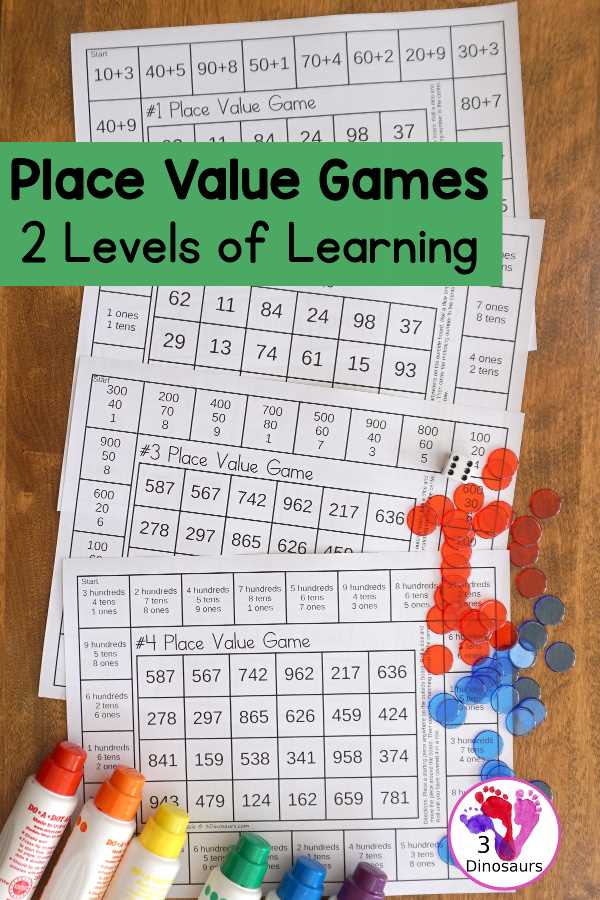
Several websites offer a wide range of activities for young learners, making it easy to find engaging resources. Websites like Education.com, TeachersPayTeachers.com, and SuperTeacherWorksheets.com provide downloadable materials specifically designed for students at various learning levels. These platforms often offer themed worksheets and challenges, which can be a great way to maintain a child’s interest while reinforcing key concepts.
Additionally, online communities such as Pinterest have an abundance of free resources, often shared by teachers and homeschooling parents. You can find numerous boards dedicated to educational resources, with downloadable activities available for quick printing. These can be sorted by grade, subject, or skill level, ensuring you find just what you need for any child.