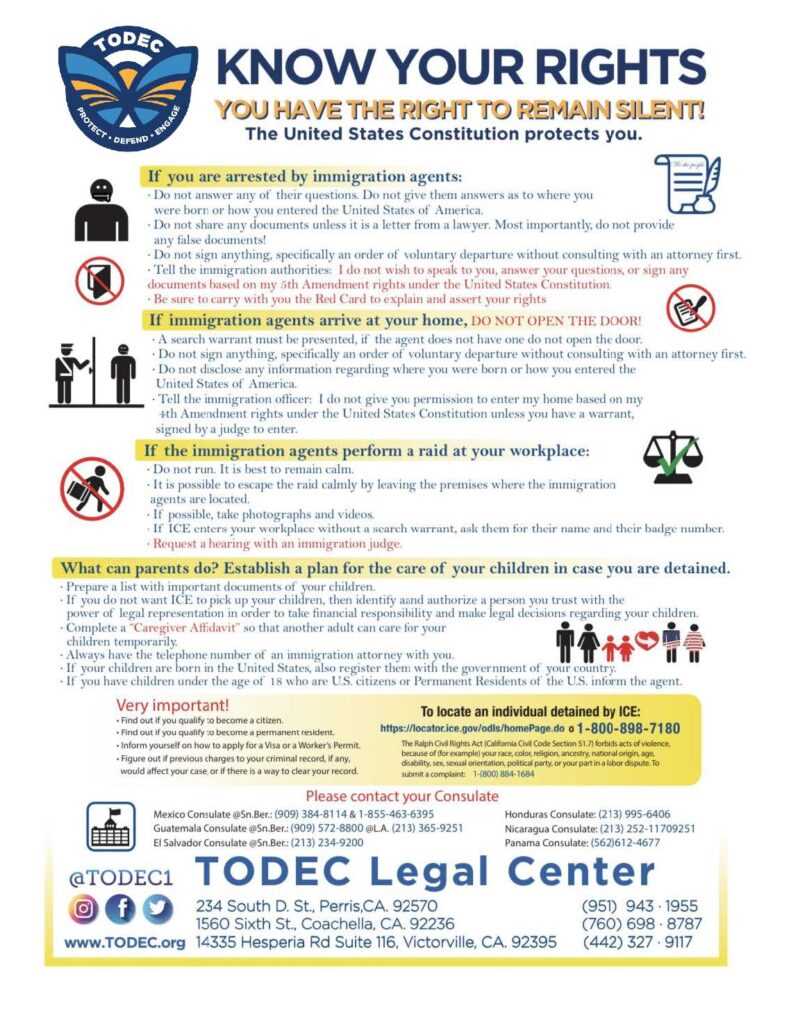
Carry a small reference sheet with you to always have access to your basic freedoms and legal protections. This tool can be particularly useful in situations where you need to assert your position or protect yourself, whether in an emergency or everyday interactions. Having these protections in a concise format helps you act confidently, knowing exactly what you can do if your personal space or autonomy is compromised.
Design a simple reference with the most relevant legal provisions for quick access. For example, a document that outlines key rights related to police interactions, consumer protection, or workplace conditions. It’s often easier to remember the main points when they are structured in bullet points or with clear highlights of what actions you can take. With such a resource, you can respond appropriately to potential violations or misunderstandings on the spot.
Use a printable template to customize the sheet according to your needs. These templates typically include sections for various rights under different scenarios. You can choose what you feel is most important, whether it’s specific protections during travel, interactions with authorities, or basic consumer rights. Access to such tools can make navigating difficult situations simpler and more effective.
How to Create a Quick Reference for Legal Protections
Carry a small document with vital legal information to help protect yourself in various situations. This should contain a summary of the most relevant laws that apply to common encounters, such as police interactions or workplace rights. Keep the language clear and concise to ensure it’s easy to understand and use in stressful situations.
When designing this document, prioritize the most common scenarios in which you might need immediate guidance. Focus on topics like freedom of speech, protection against unlawful search, or workers’ compensation. You can also include phone numbers for legal aid services or emergency contacts to ensure you have access to help if necessary.
One effective way to organize the information is by creating categories, such as “During Police Stops” or “At the Workplace.” Each section can include bullet points with short, actionable items like “Ask if you’re being detained” or “Know your right to refuse unreasonable searches.” This layout will make it easier for you to quickly find the information you need.
For added usefulness, consider making this document small enough to fit in your wallet or pocket. A compact size will allow you to carry it around without inconvenience. Ensure the text is large enough to read without difficulty, especially in urgent situations.
Another practical feature is adding a QR code that links to a digital version of the document. This ensures that you can always access an updated version from your phone if needed. In the event that you lose the physical copy, you’ll still have the information available online.
Finally, review and update this document regularly. Laws change over time, and it’s important that your reference sheet stays current. Set a reminder to check it every six months and update any outdated laws or information to keep your resources reliable and useful.
How to Create a Personal Rights Card for Easy Access
Start by identifying the most important laws that protect you in everyday situations. These might include information about how to handle police interactions, your ability to refuse certain requests, or details on privacy laws. Keep this list concise, focusing on the areas where you’re most likely to need immediate assistance.
Once you have a list, format it clearly for quick reference. Use bullet points or short phrases so that the information can be accessed at a glance. Group similar topics together–like all workplace-related protections or all laws surrounding searches–so you can easily find what you need in a stressful moment.
For ease of use, make sure the document is small enough to fit in your wallet or phone case. A business card or index card size is ideal, allowing you to keep it with you at all times without feeling burdened by its presence. Choose durable paper or plastic to ensure it withstands wear and tear.
Consider including emergency contact information on the back of the card, such as local legal aid, a trusted lawyer, or a phone number for help in urgent situations. This will give you immediate access to support when you might not be able to make a phone call yourself.
Lastly, regularly update the content of your card to reflect changes in laws or your personal circumstances. Set a reminder every six months to check if any information needs to be added, removed, or updated. This will ensure that the card remains a reliable resource.