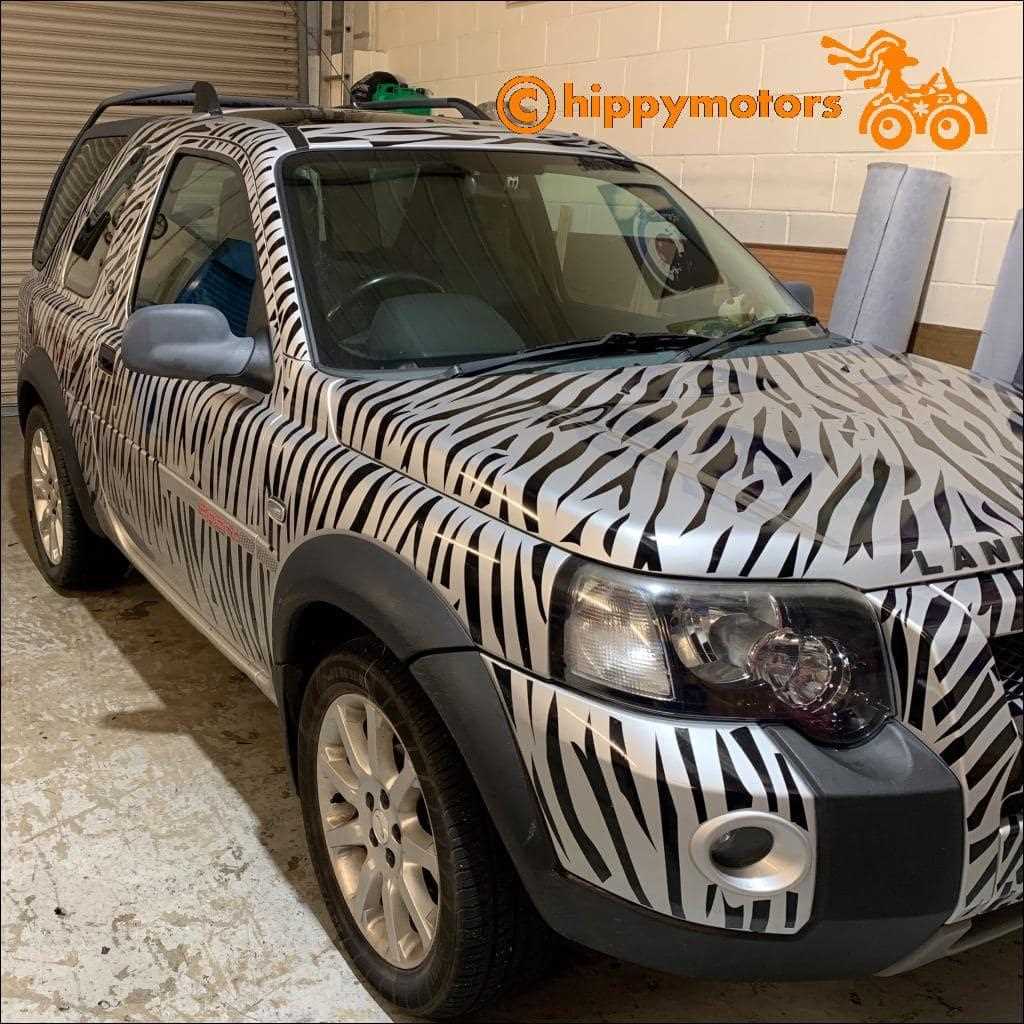
If you want to add a personal touch to your vehicle, the first step is selecting a durable material. Opt for a high-quality adhesive sheet that can withstand outdoor elements. Look for products that offer UV resistance and weatherproof features, ensuring longevity and crisp appearance.
Before starting the cutting process, design your artwork using graphic software that supports vector formats. A high-resolution file will ensure your design stays sharp when resized or scaled. Be mindful of the dimensions of the surface you’re applying the graphics to, so your design fits perfectly.
Once your design is ready, use a cutting machine or a craft cutter for precision. Make sure your adhesive material is securely loaded into the machine to avoid miscuts. After cutting, use transfer tape to lift your design without damaging the edges.
Finally, prepare the surface of the vehicle by cleaning it thoroughly. Dust, dirt, and oils can affect the adhesive bond, so take the time to wipe the area down. Carefully place the design, smoothing it out to avoid bubbles and creases. To finish, seal the edges with a protective coating to prevent lifting or fading over time.
Steps for Creating Durable Vehicle Graphics
First, choose a high-quality adhesive material designed for outdoor use. This ensures your design will withstand weather conditions without fading or peeling. Look for options that offer UV protection, as they will prevent the colors from deteriorating over time.
Design your artwork using a vector-based program such as Adobe Illustrator or CorelDRAW. These programs allow you to create crisp, scalable images without losing quality. If you’re not familiar with design software, there are online tools like Canva that provide templates and easy-to-use features for beginners.
Once the design is ready, print it using an inkjet printer. Ensure that your printer is compatible with the material you’re using. Adjust the print settings to the highest quality to get a clear and vibrant result. It’s also important to let the print dry completely before proceeding to avoid smudging during cutting.
Next, cut the design out using a plotter or a craft cutter. A steady hand is needed if you’re using scissors, but a cutting machine ensures precision. After cutting, peel the excess material off, leaving only the desired graphic. Apply transfer tape to the top of your design for easy application onto the surface.
Before attaching the design, clean the surface thoroughly. Remove any dirt, dust, and grease with rubbing alcohol to ensure the adhesive sticks properly. Carefully apply the graphic, smoothing out any air bubbles. Once in place, use a squeegee to press down the edges, ensuring a long-lasting bond.
Choosing the Right Printable Vinyl for Vehicle Graphics
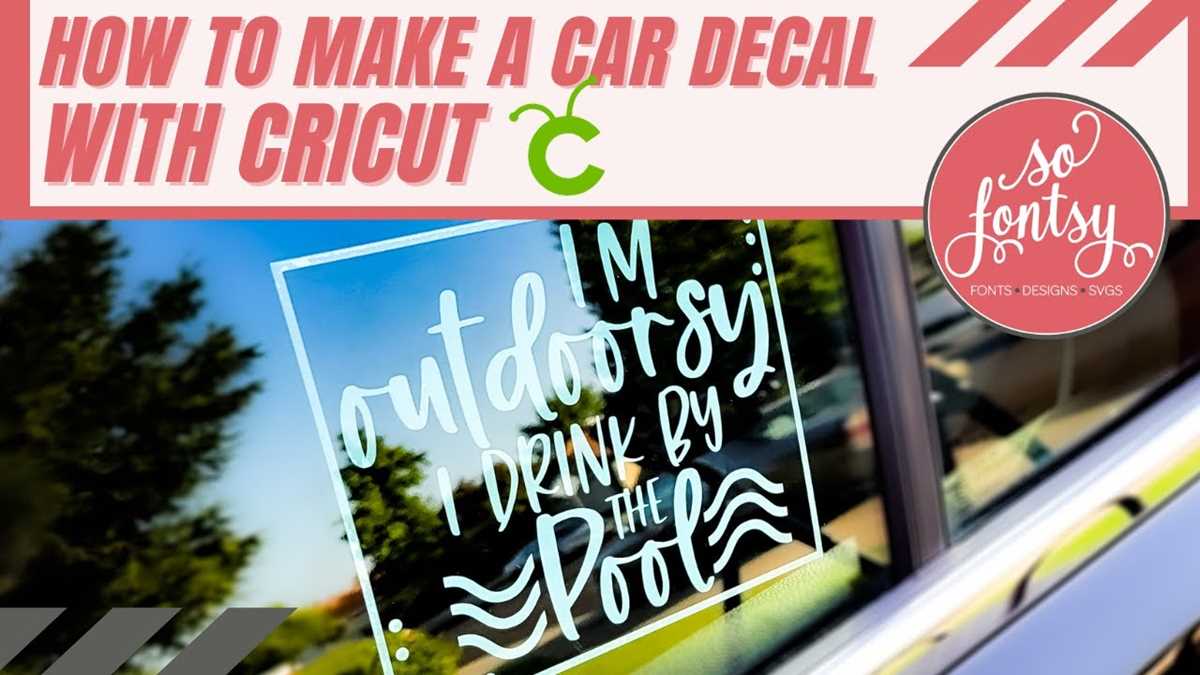
Select a material that offers durability and can withstand exposure to sun, rain, and temperature fluctuations. Opt for adhesive sheets labeled as “outdoor” or “weather-resistant,” as these are specifically designed for long-term use. Materials with UV protection will prevent fading, while waterproof types ensure longevity even in harsh conditions.
Consider the finish of the material based on your desired aesthetic. Matte finishes are great for a subtle look, while gloss finishes add a shiny, eye-catching effect. Make sure the material is compatible with your printer type, and always test a small sample before starting your main project to ensure the print quality is up to your expectations.