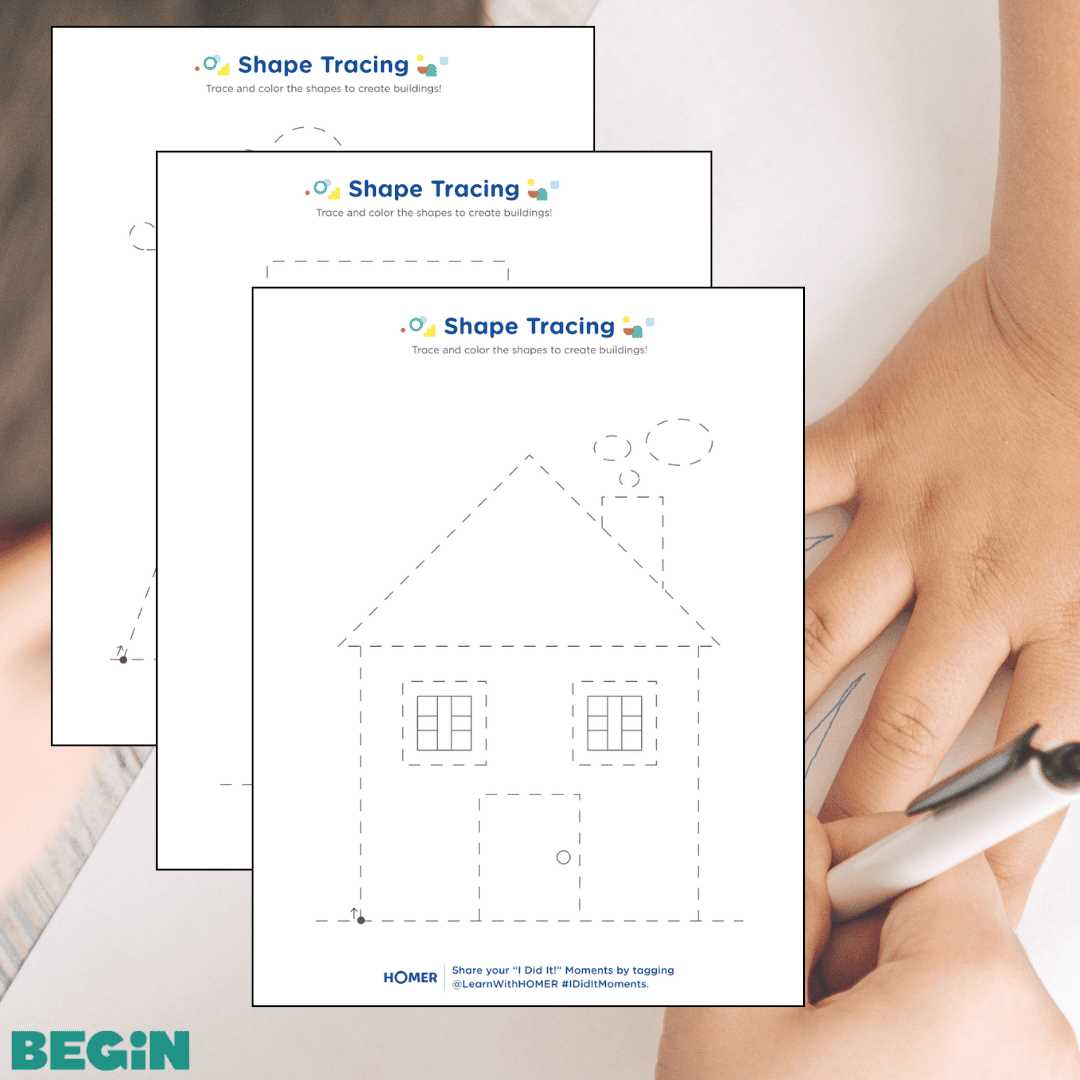
To help young children develop basic geometry understanding, provide them with pre-cut geometric forms. These pieces are ideal for activities that teach pattern recognition, symmetry, and color coordination. Using these items in different exercises, such as sorting by size or creating simple pictures, supports cognitive and motor skill growth.
One effective way to integrate these pieces into daily learning is through hands-on projects. Try using cut-out forms for collage making or matching games. By encouraging children to fit the pieces together in various ways, you strengthen both problem-solving abilities and spatial awareness. These types of tasks also allow for creative expression while subtly reinforcing mathematical concepts.
Additionally, printable templates are a great resource for incorporating geometry into everyday activities. For example, during art time, you can guide children to build shapes and simple objects like houses or animals, encouraging both imagination and pattern recognition. Providing these tools not only makes learning fun but also instills foundational skills for future learning in math and science.
Printable Shapes for Preschool
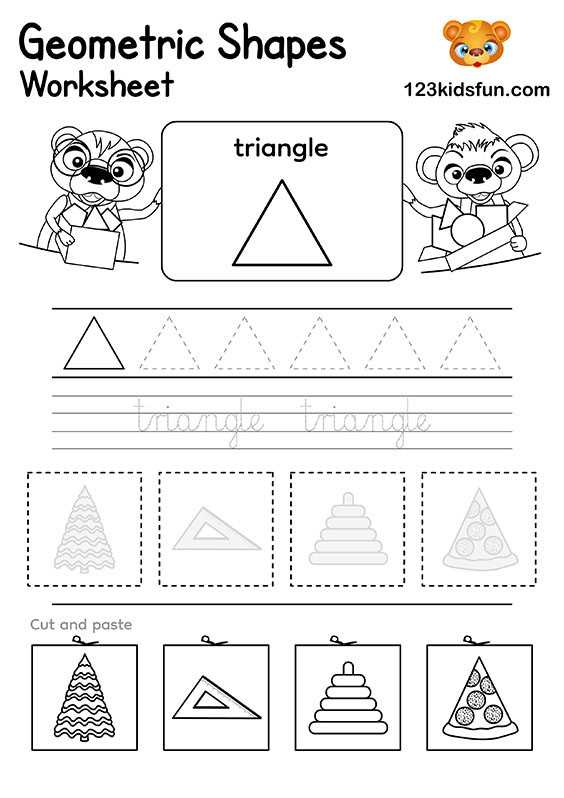
Cutting out different geometric forms helps children grasp fundamental concepts of symmetry, size, and proportions. Focus on providing a range of simple items that can be easily manipulated, such as circles, squares, and triangles. These tools support both cognitive and physical development by encouraging children to match, stack, and arrange pieces in various patterns.
One of the most engaging activities is creating collages using these pre-cut objects. Children can assemble pictures like houses, trees, or animals by gluing the pieces onto paper. This hands-on approach reinforces recognition and understanding of basic forms, while also encouraging creativity. The process of creating something meaningful with basic elements allows children to express their imagination and develop fine motor skills.
Incorporating color into these cutouts adds another layer of learning. Have kids sort items by color or shape. This not only reinforces their understanding of colors and geometric figures but also improves their ability to categorize and organize. Sorting activities develop attention to detail and help children focus on visual distinctions.
For older children, challenge them with more complex designs that involve combining different forms to create more intricate patterns. Introduce activities that involve creating mosaics or building specific objects, like simple houses or trees. By manipulating various components, children practice sequencing and logical thinking. These exercises introduce early concepts of engineering and design.
Additionally, consider using these tools for matching games. A fun idea is to create a “memory” game where kids flip over cards with various figures and try to find matching pairs. This not only boosts memory skills but also reinforces understanding of symmetry and shape recognition.
Finally, introducing activities that combine both shapes and numbers can further enhance learning. For example, have children count the number of sides each object has or add a numerical challenge to a sorting game. These combined exercises provide a smooth transition to more advanced math skills, such as addition, subtraction, and geometry.
How to Use Printable Shapes for Early Childhood Learning
Start by introducing different figures through hands-on activities. Use cutouts to help young learners identify and name each form, then guide them in sorting the pieces by size, color, or type. This helps to build a foundation in classification and recognition skills that are crucial for early cognitive development.
Incorporate interactive games to increase engagement. A simple activity is to have children match the cut pieces to pre-drawn outlines on paper. As they place each figure in the correct spot, they develop spatial awareness and hand-eye coordination. This activity can be adapted for different difficulty levels, making it suitable for various learning stages.
For a more creative approach, encourage children to use the pieces to make their own pictures. Let them create designs like animals or objects, helping them understand how simple forms can combine to make complex images. This promotes both creativity and problem-solving skills, as children learn to think about how parts fit together to form a whole.
As children become more familiar with basic forms, introduce counting activities using the cutouts. Ask them to count the number of sides each piece has or to match the number of pieces with corresponding numbers on cards. This not only enhances their math skills but also teaches them about geometry in a fun, hands-on way.
Develop sorting exercises that challenge children to sort the figures based on multiple attributes. For example, they can sort them by size, color, and type of angles. This teaches them to think analytically and supports early categorization skills that are foundational for more advanced reasoning later on.
Combine shapes with other learning concepts, such as letters or numbers. Create simple puzzles where each form corresponds to a letter or number, encouraging kids to make connections between geometry and literacy or math. This cross-disciplinary approach helps children see how different learning areas are connected.
Introduce pattern-building exercises using the cut-out pieces. Children can learn to follow patterns by arranging the figures in specific orders, such as alternating colors or alternating shapes. This enhances their understanding of sequencing and prepares them for more complex mathematical concepts, such as symmetry and fractions.
Finally, use these learning tools in story-telling activities. Ask children to use the geometric forms to create characters or scenes for a story. As they engage in storytelling, they practice verbal communication skills, creativity, and understanding of narrative structures, all while reinforcing the knowledge they gained through the shapes.