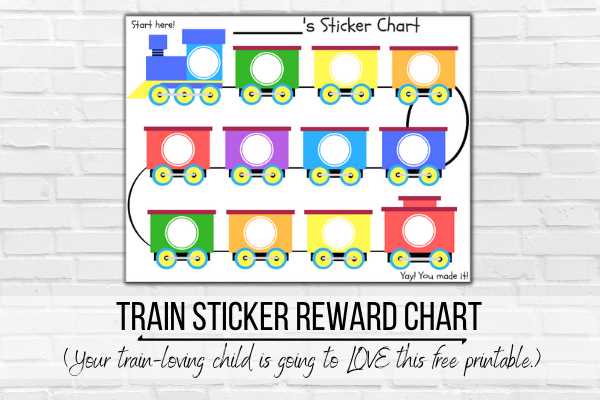
Start by selecting a system that tracks progress with visually rewarding activities. Use simple templates to create a motivating structure for positive reinforcement. Ensure the design is clear and easy for children to follow.
For maximum impact, choose a layout with recognizable symbols, like stars or smiley faces, that can be easily marked. This helps children visually track their milestones and creates excitement about their accomplishments. You can even customize each section to reflect different tasks or behaviors that you want to encourage.
To get the best results, set achievable goals and ensure the tasks are age-appropriate. Providing a consistent and structured approach to tasks and rewards helps children build habits and stay motivated. Adapt the template as needed to match your child’s progress and individual needs.
Designing a Customizable Reward System
Start with a simple template that allows for flexibility in tracking progress. Customize each section to represent specific tasks or actions. This will make the system more personal and relatable for the user. Be sure the layout is easy to read and follow, particularly for younger children.
Opt for a clean and colorful design. Use icons or images to represent each milestone–such as stars, checkmarks, or themed symbols–so the system is engaging. The visual cues help make tracking progress enjoyable and easier to understand.
Consider setting realistic goals that match the user’s age and developmental stage. For younger children, start with small, manageable tasks that can be accomplished quickly. This builds confidence and keeps them motivated to complete additional tasks.
Offer a variety of rewards to choose from. Whether it’s an activity, a small toy, or a special privilege, ensure the rewards are motivating for the user. Let the child have input in choosing their reward, so they feel more invested in the process.
Make sure the system is consistent. Each task or action should lead to a predictable outcome, which helps children understand the connection between their efforts and the results. A regular, structured routine reinforces good behavior and task completion.
As the user progresses, consider introducing more complex goals. Gradually increase the difficulty level to keep them challenged, but not overwhelmed. Adjust the tasks and milestones as needed to reflect growth and development.
Be sure to keep track of progress regularly. Check the system weekly to see how the user is doing, and make any adjustments to tasks or rewards based on their engagement. This helps maintain interest and ensures the system remains effective.
Finally, involve the user in the process. Praise their efforts regularly and allow them to take ownership of their progress. This promotes a sense of accomplishment and encourages continued participation in the system.
How to Use a Reward Sticker Chart for Behavioral Tracking
Start by setting clear, achievable goals for behavior you want to track. These goals should be simple and measurable, such as “finish homework on time” or “help clean up after meals.” For each completed task or positive behavior, mark the progress using visually appealing icons or symbols, creating a direct connection between the task and the reward.
Be consistent with the tracking process. Every time the target behavior is displayed, acknowledge it immediately. This will reinforce the behavior and make it more likely to be repeated. Keep the chart visible to motivate continual participation and show tangible progress, ensuring the child or participant feels encouraged by their achievements.