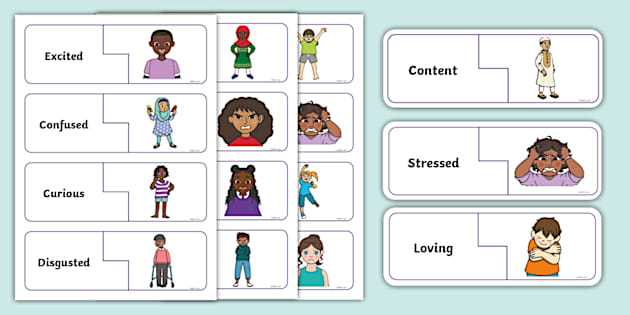
Start by using a visual activity that helps kids recognize and connect feelings with facial expressions. Use flashcards with various faces showing different moods, and ask children to pair them with corresponding words or situations. This method makes it easy for children to develop emotional awareness and empathy through simple, interactive learning.
For a more engaging experience, print out templates with different characters or scenarios depicting specific emotional responses. Each character can represent a different feeling, such as happiness, sadness, or anger. Children can then match these to images or words that describe the emotion in more detail, reinforcing the connection between the feeling and its visual representation.
This exercise not only enhances social-emotional learning but also builds vocabulary by teaching words that describe feelings. By regularly practicing with these visual aids, children become more comfortable expressing their emotions and identifying them in others, improving their social skills over time.
Emotions Matching Game Printable
To help children connect feelings with visual cues, create cards with facial expressions and corresponding words describing the emotion. Print them in bright colors, ensuring that each face clearly represents a different feeling. This setup encourages recognition and helps kids associate words with what they see on the cards.
To make the activity more effective, incorporate real-life scenarios that align with the visual cues. For example, pair a joyful face with a situation where someone receives a gift or a sad face with a scenario like losing a pet. This added layer of context allows children to better understand the emotions they are learning about, reinforcing both the words and the visual representations.
How to Create an Emotions Matching Game for Kids
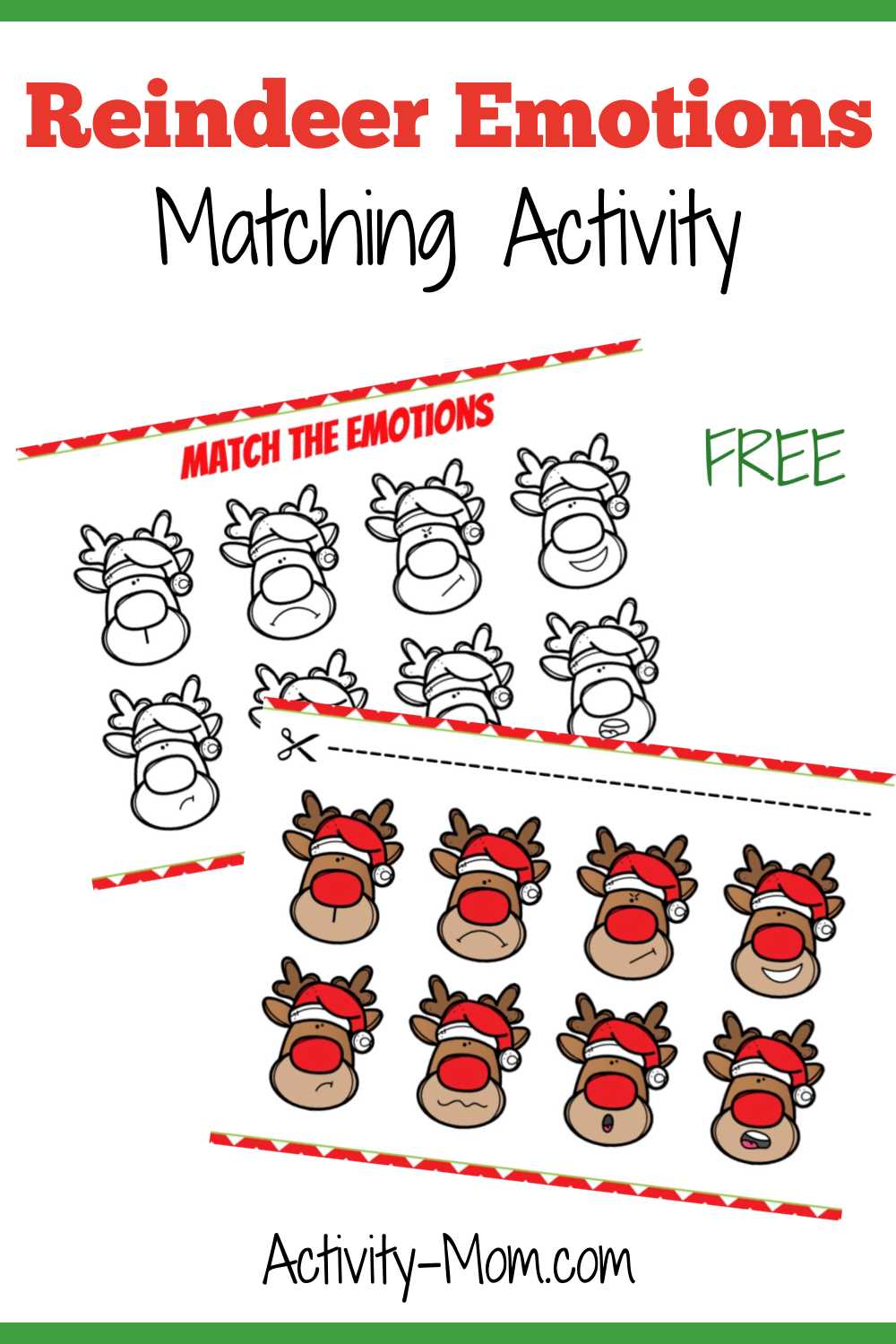
Start by designing cards with various facial expressions that reflect different feelings, such as happiness, sadness, anger, surprise, and fear. Use simple and clear images, making sure each expression is easy for children to recognize. You can draw these faces yourself or use free online templates.
Next, create a set of corresponding emotion words that match each facial expression. For example, pair the smiling face with the word “happy” and the frown with “sad.” This will help children connect the visual representation with the emotional concept. Ensure that the language used is age-appropriate for the target audience.
Consider adding contextual scenarios for each card. For instance, a card with a joyful face might have a text like “Feeling excited on your birthday” or “Feeling proud after winning a game.” By including these examples, children will understand when certain emotions occur in real-life situations.
Print the cards on durable paper or cardstock for added longevity, especially if they will be handled frequently. If you’re working with younger children, laminating the cards can protect them from wear and tear. Cut the cards into even shapes, such as squares or circles, to make the game more uniform and easier to handle.
Once the cards are prepared, you can introduce various ways to play. For example, lay the cards face down and let the child flip two cards at a time to find matching pairs of facial expressions and words. Alternatively, you can mix the words and faces in a pile and have children match them from memory.
Finally, keep the experience engaging and educational by discussing the emotions in detail as the game progresses. Ask the child to describe when they might feel the emotions represented on the cards, helping them to further develop emotional awareness and vocabulary.