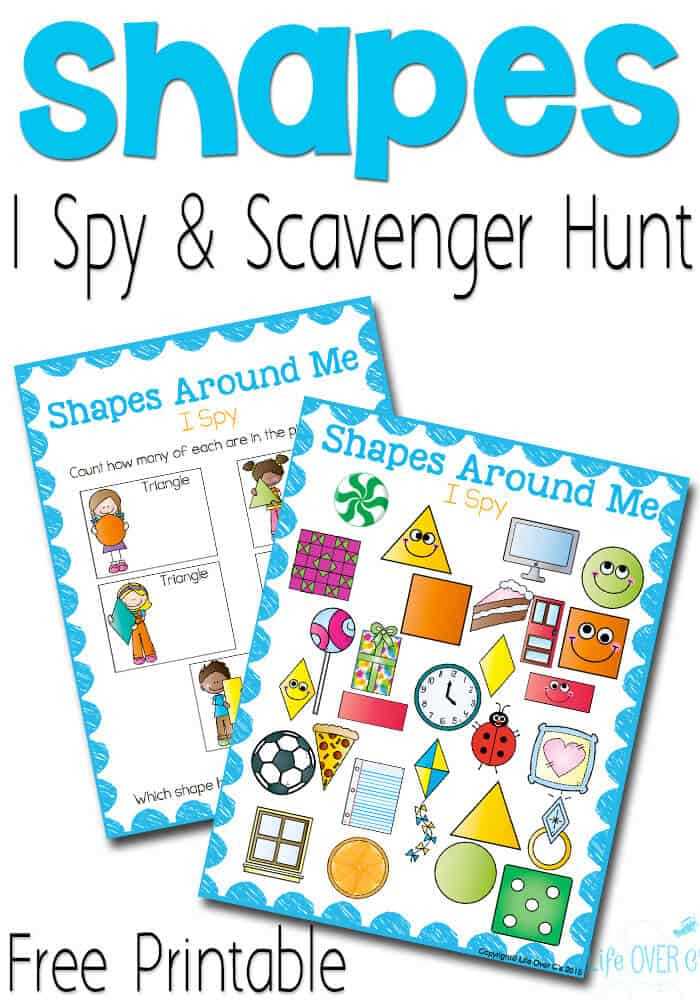
Design simple worksheets that encourage toddlers to identify and match various geometric figures around the house or outdoors. Choose bold, easy-to-recognize forms such as squares, circles, and triangles to help them connect shapes with real-world objects. For example, a square pillow or a round ball can be linked to the corresponding figure.
Offer these exercises in a fun and interactive format, where children can check off shapes they find during the activity. This not only engages them but also boosts their ability to focus and retain information. Include bright colors and clear visuals to attract their attention, and make sure the tasks are easy to follow without overwhelming them.
As they progress, introduce more complex activities by combining different shapes in a variety of contexts. For instance, a worksheet could ask them to find multiple items that form a pattern, which helps with both shape recognition and the development of critical thinking skills.
Shape Scavenger Hunt Printable
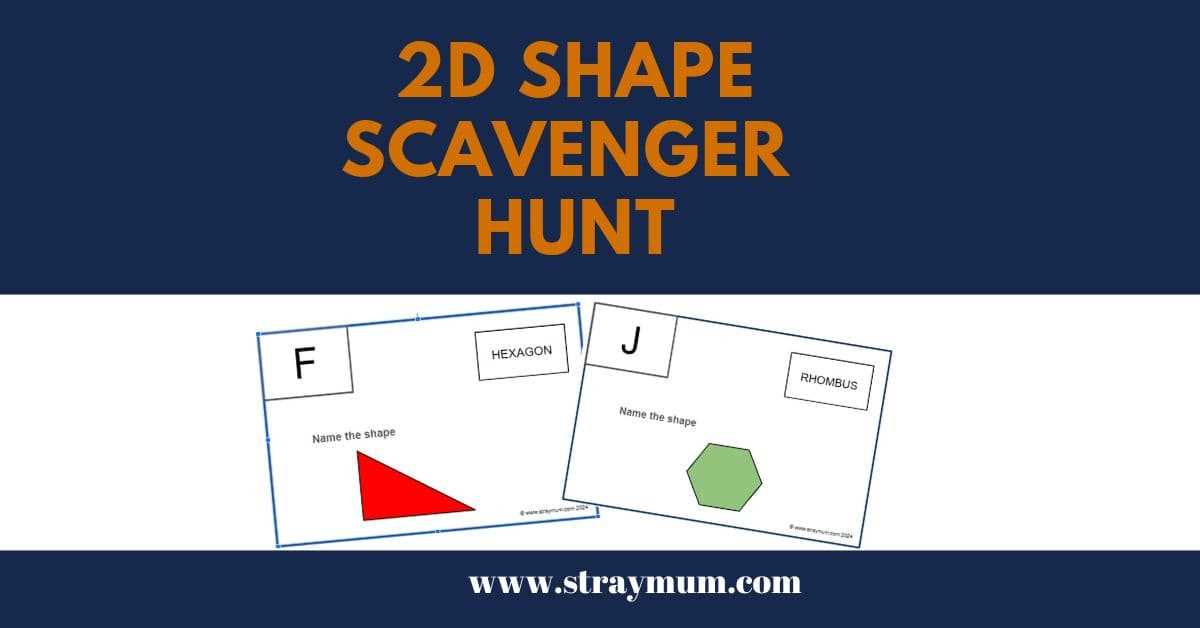
Start by creating a simple list of geometric forms like circles, triangles, squares, and rectangles. This can serve as the foundation for an engaging exploration activity. Choose objects around the home or garden that match these shapes to help children make real-world connections.
Prepare a worksheet that outlines the basic shapes with large images. Keep the design minimal, ensuring the child can easily identify the shape next to the object they need to find. A bold, clear visual will help them grasp the concept of the shapes more easily.
Encourage the child to explore different rooms or areas of the house to find items that correspond to the listed shapes. For example, they might find a square book or a round plate. This activity helps them understand how shapes appear in everyday surroundings.
Make the search more exciting by adding simple challenges, such as finding at least two items of the same shape, or searching for objects in a specific color. This will add variety and keep the child engaged for longer periods of time.
Introduce a competitive element by timing the search, or creating a points system based on how many objects they can find within a set time frame. This can make the activity more thrilling and encourage quicker identification skills.
As they become more proficient, expand the activity by including compound shapes like stars or hearts. This increases the complexity and provides an opportunity to challenge their ability to recognize less common forms.
To make it more hands-on, have the child trace the shapes they find onto a separate sheet. This adds an additional tactile element, reinforcing their understanding through physical interaction with the shapes.
Finally, after the activity is complete, take time to review the items they found. Ask them to describe each object and its shape, further reinforcing their understanding. This reflective process helps solidify their learning experience.
How to Create a Simple Shape Scavenger Hunt for Kids
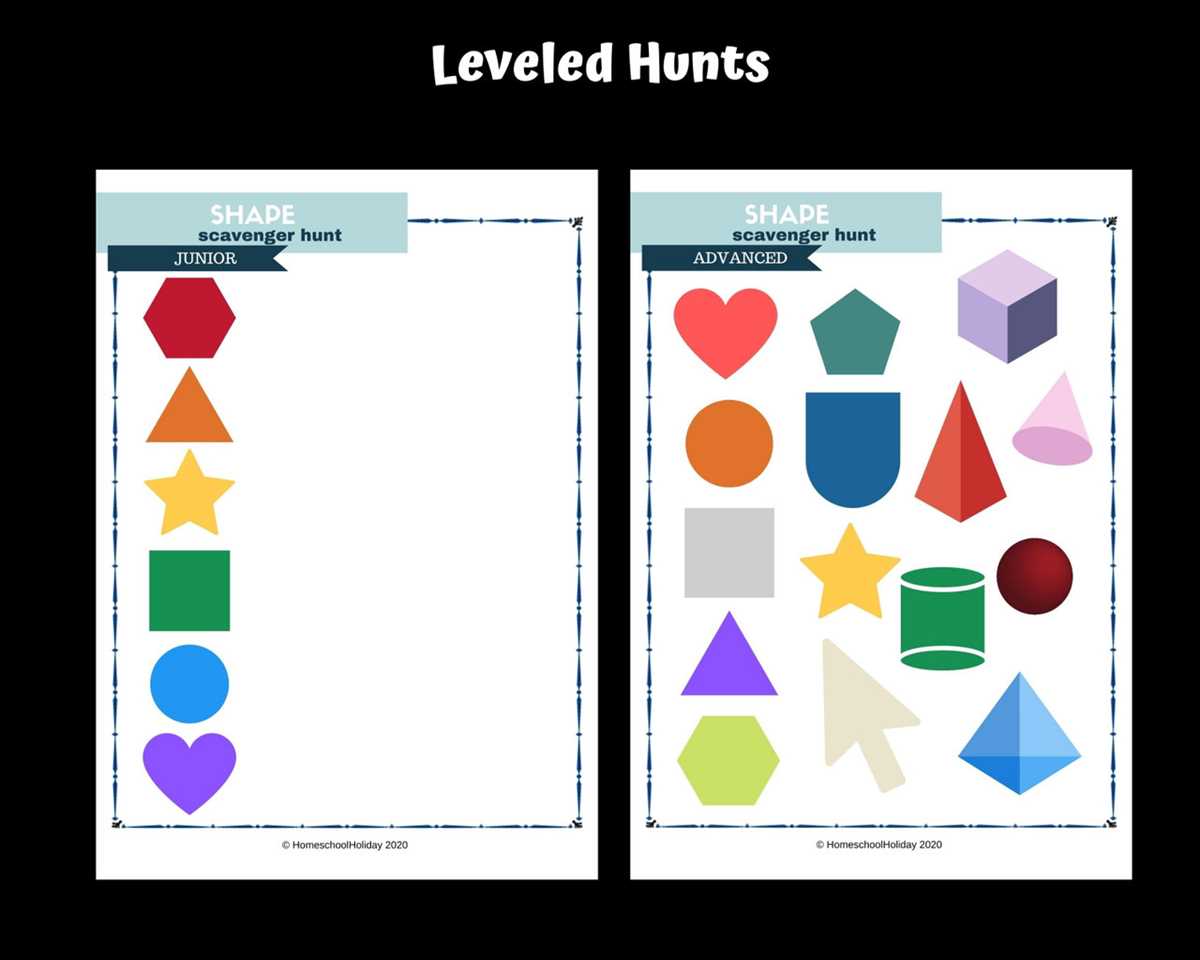
First, create a list of basic geometric figures such as squares, circles, and triangles. Use clear and simple images for each form to help children quickly recognize them. The goal is to connect everyday objects with these figures, so select items like round plates, square books, or triangular street signs that kids can easily spot around the house or yard.
Next, prepare a simple worksheet where the child can check off the shapes they find. Ensure the layout is clean and easy to follow, with enough space for them to mark off each discovery. This task encourages them to focus on their surroundings while learning to identify common shapes.
When giving instructions, keep it straightforward. Encourage the child to look for objects that match the listed forms, and provide hints if needed. For instance, you can point out that the window is rectangular or that the rug is circular. This helps children make connections between abstract concepts and real-world objects.
Make the search more engaging by adding a challenge: ask them to find three items of the same shape or identify the largest and smallest objects with a specific form. This variation keeps the activity fun and promotes problem-solving skills while also reinforcing shape recognition.
After the search, take a moment to discuss what was found. Ask the child to describe each object and its shape. This reinforces what they’ve learned and provides an opportunity for language development, making the activity both fun and educational.