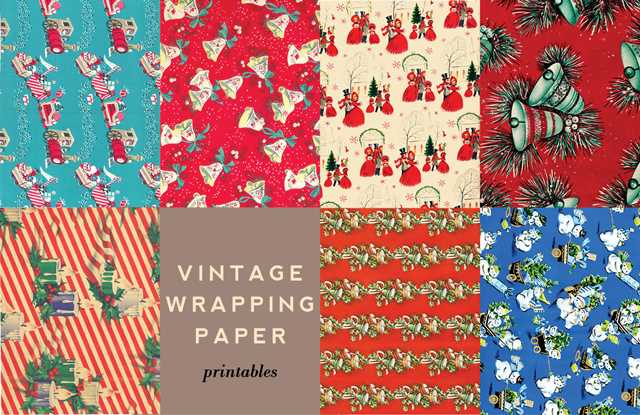
For a unique touch, print your own gift covers using any printer and a variety of materials. Choose a durable stock for the best results, with options like glossy or matte finishes, depending on your preferred aesthetic. Ensure the design is crisp by selecting a high-quality printer capable of detailed work. For larger gifts, consider printing on rolls of material that can be cut to fit the size needed.
If you want to personalize your designs, graphic design software or free online tools allow easy customization. Upload your chosen artwork, adjust the scale, and even add custom text or patterns to match the occasion. Many websites also offer templates specifically for DIY designs, which can save time while still allowing for creativity.
Once your design is ready, test print on regular paper before using the final material. This ensures that colors and dimensions are correct. If everything looks good, proceed with the actual print, carefully loading the paper or roll into the printer to avoid misalignment. This method offers an affordable and personal way to enhance your gift-giving experience.
Creative Ideas for Designing Custom Gift Covers
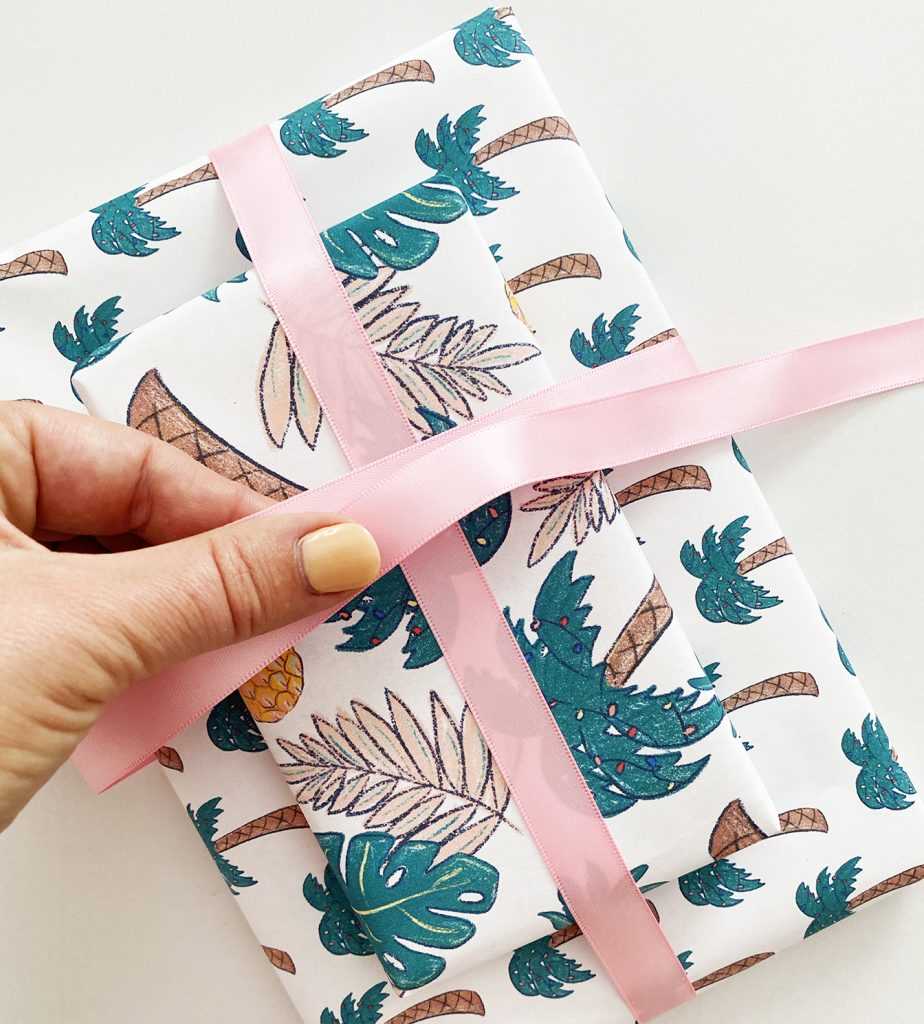
To make your gift packaging stand out, use bold colors and eye-catching patterns. Start by selecting a base color that fits the theme of the occasion, whether it’s bright hues for birthdays or muted tones for a more elegant presentation. Adding geometric shapes, stripes, or floral designs can bring an extra level of creativity to your design.
Incorporating personal touches is an easy way to make the wrapping feel more special. Customizing with the recipient’s name or a meaningful quote can create a memorable and unique presentation. Use a simple font for text or handwrite it for a more authentic, handmade look. For an added layer, include a photo collage or digital artwork related to the person or event.
Choose the right material to complement your design. Heavier stocks are perfect for a more luxurious look, while lightweight sheets work well for casual gifts. Consider experimenting with recycled or eco-friendly options to align with your values or the recipient’s preferences.
For those who want to make the experience more interactive, add texture by printing on fabric-like materials or incorporating ribbons and bows. These elements enhance the tactile feel of the gift cover, making it both visually and physically appealing. Don’t forget to match the embellishments with the overall theme for a cohesive look.
To avoid printing mistakes, it’s best to test your design on a regular sheet before using more expensive or unique materials. Ensure the colors appear as you intend and that the alignment is correct. It’s also helpful to print the design at a smaller size first to get a preview of how it will look at full scale.
Once your design is complete and you’re satisfied with the test print, carefully cut and measure the material to ensure a perfect fit around the gift. Precision is key to ensuring the finished result looks polished. Wrapping your gift in this personalized style adds an extra layer of thoughtfulness that will be appreciated by the recipient.
Choosing the Best Paper Type for Printing Your Own Wrapping Paper
Opt for a smooth, thick material to achieve sharp prints and prevent any transparency. Glossy or satin finishes are perfect for high-quality designs, as they help colors pop. For a matte look, choose an uncoated stock, which gives a more subtle and refined finish.
If you’re printing larger designs or using heavier ink coverage, thicker materials like cardstock or heavyweight options are ideal. These can withstand more ink without warping, ensuring a neat and professional appearance. For lighter designs, a standard medium-weight option will suffice and be easier to handle.
- Glossy finishes: Ideal for vibrant, colorful designs and photos.
- Matte finishes: Best for elegant, understated styles with softer hues.
- Textured stocks: Great for adding depth and tactile appeal to your creations.
For those with eco-friendly preferences, recycled or sustainably sourced materials are available. These are ideal for adding a personal touch while also being mindful of the environment. Many of these materials still offer high print quality and a sturdy feel.
Always print a test sheet on regular material before using your chosen stock. This ensures that your design aligns correctly, and the print colors appear as expected. Once confirmed, proceed with printing on the final material for a polished and professional result.