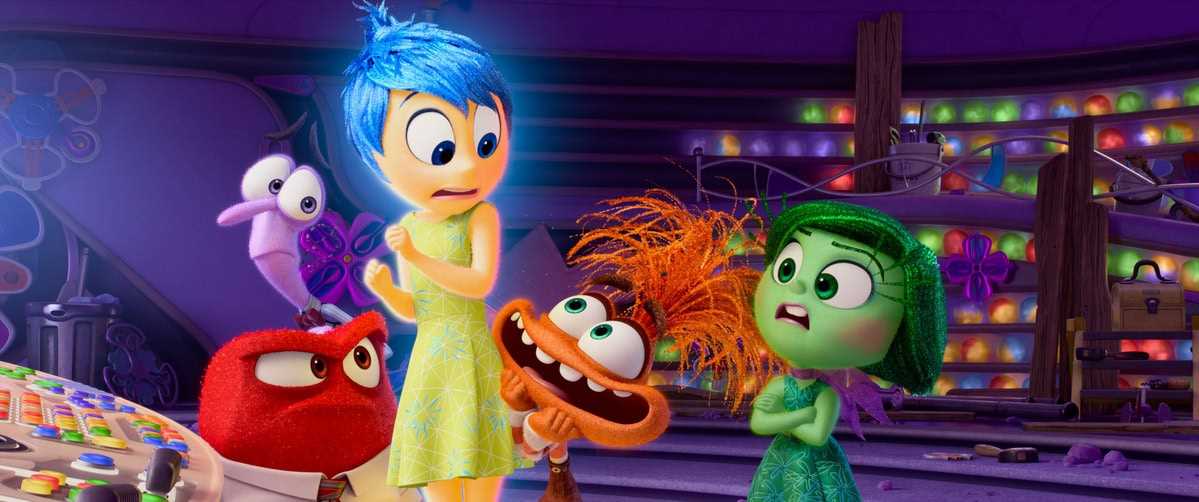
Start with a simple activity: print out sheets that display the different moods and reactions of beloved animated figures. These visual aids help children associate specific faces and actions with various feelings, turning abstract concepts into something tangible and relatable.
To make the most out of these activities, create scenarios where your child can match their current state to one of the illustrated figures. For example, if they’re feeling frustrated, they can point to a character showing similar frustration. This visual connection reinforces emotional intelligence.
For deeper engagement, try incorporating questions that ask your child to describe how each figure might react in different situations. These types of exercises can lead to conversations about emotions and their effects, encouraging self-awareness in an easy, playful way.
Using Fun Visual Aids to Teach Feelings
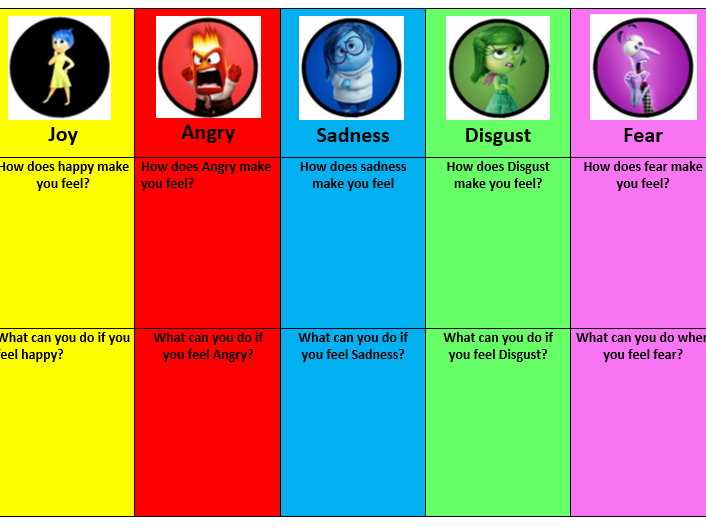
Begin by selecting engaging visuals that represent different emotional states. Choose vibrant sheets that feature figures showcasing a wide range of reactions. The images should be simple, colorful, and easy for children to identify. Each one should convey a clear sentiment, from joy to sadness, making it easier for young learners to understand.
Incorporate Matching Exercises to help children connect their own moods with those on the sheets. Have them pick a figure that matches their current feeling. For example, if they are feeling happy, ask them to identify the figure with the bright smile. This helps solidify the connection between visuals and emotions.
After the matching exercise, encourage children to express why they feel that way. Ask them to explain what made them feel happy or upset. This exercise not only helps with identification but also builds communication skills as children learn to articulate their feelings more clearly.
Create Simple Scenarios where the figures can interact with each other. For example, “What would Sadness say to Joy?” or “How does Disgust react if someone eats broccoli?” This opens up the opportunity for imaginative play and allows children to explore how emotions influence behavior.
To make the activity more interactive, you can ask children to color in the figures or add their own accessories, such as hats or glasses. This adds a creative element while reinforcing the concepts they are learning. They will start associating emotions with both colors and facial expressions.
When introducing new feelings, be sure to focus on one at a time. Break down the characteristics of each feeling and use the figures to show how they might look in different situations. For instance, Anger could be shown with clenched fists or a red face to signify frustration.
Lastly, use these activities regularly to reinforce emotional literacy. The more your child practices recognizing and naming feelings, the more confident they will become in expressing themselves. Create games or challenges, such as asking them to draw their own versions of the figures based on real-life experiences. This allows them to reflect on their emotions and develop a deeper understanding over time.
How to Use Inside Out Emotions Printables for Kids’ Emotional Learning
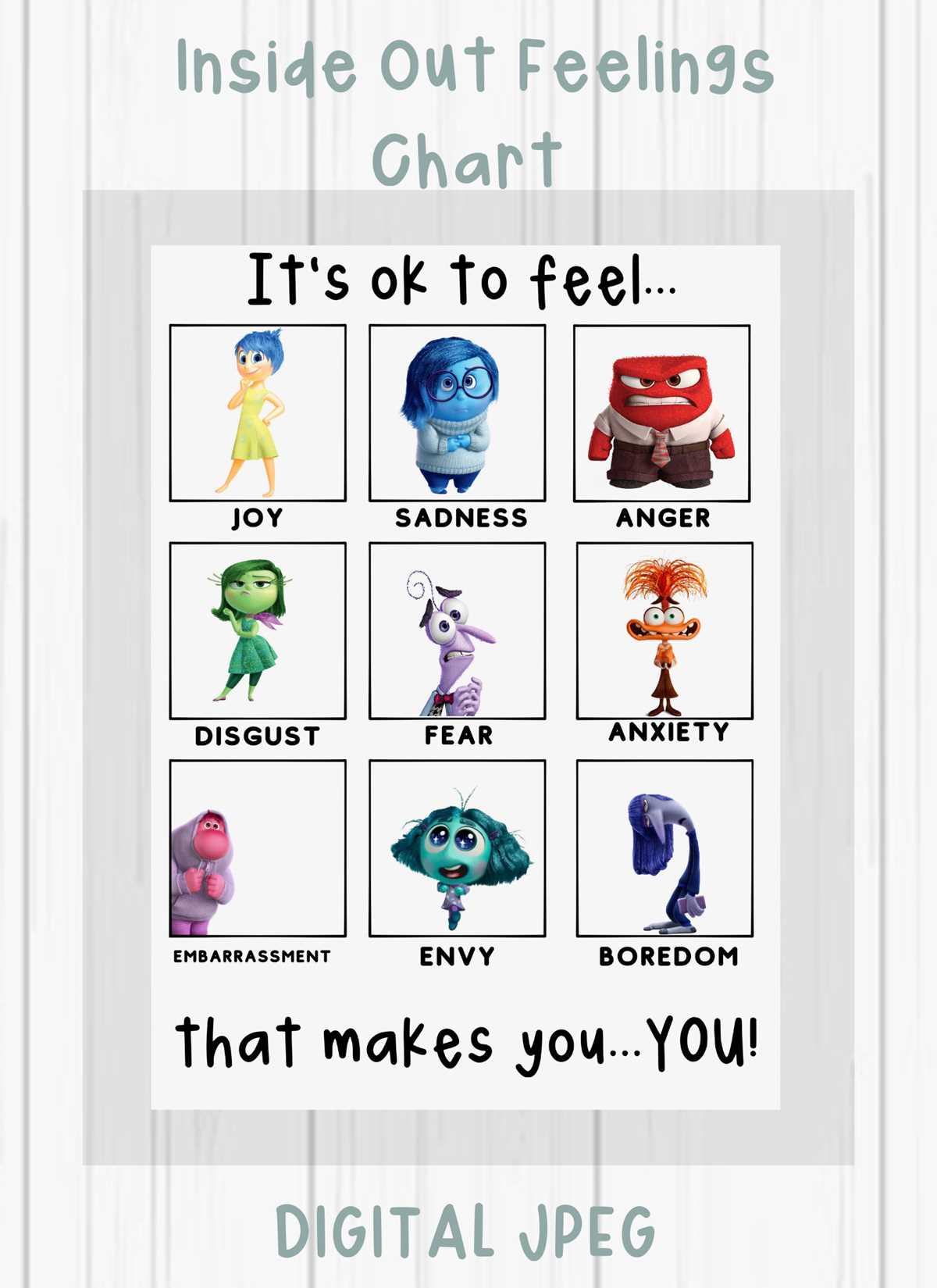
Use visual aids to teach kids how to recognize and identify different feelings. Print sheets that feature expressive faces and ask your child to match their mood to one of the figures. You can create scenarios where the figures react to various situations and encourage your child to talk about their own reactions. This makes learning about emotional states more interactive and engaging.
Introduce simple questions after each activity to help deepen understanding. For example, ask your child why they think a certain figure feels a particular way, and have them share their thoughts. This helps to develop emotional vocabulary and the ability to express feelings, which is key to emotional learning. Encourage regular practice and reflection to build confidence in recognizing and discussing emotions.