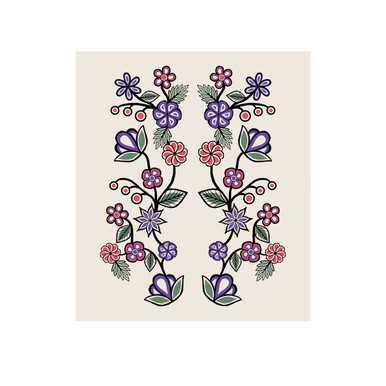
For an authentic touch to your next art project, try incorporating traditional Native American flower motifs. These intricate, nature-inspired elements can be a striking addition to cards, textiles, or home decor. They offer a unique way to combine cultural significance with creativity, making your craft both beautiful and meaningful.
Start by choosing high-quality print materials. Opt for thick, textured paper or cardstock for durability, especially if you’re making greeting cards or wall art. For textiles, using transfer paper will ensure the designs hold up well after washing. Make sure to adjust the image size to suit your project, keeping proportions accurate without losing detail.
Next, explore color combinations that stay true to the original patterns but also match your personal style. These flower motifs are often bold, with a mix of earthy tones and bright hues. If you’re printing on fabric, fabric paints or markers are a good way to add vibrant color to the printed designs. This will allow you to bring your own flair while respecting the tradition behind the artwork.
Using Native Floral Motifs in Craft Projects
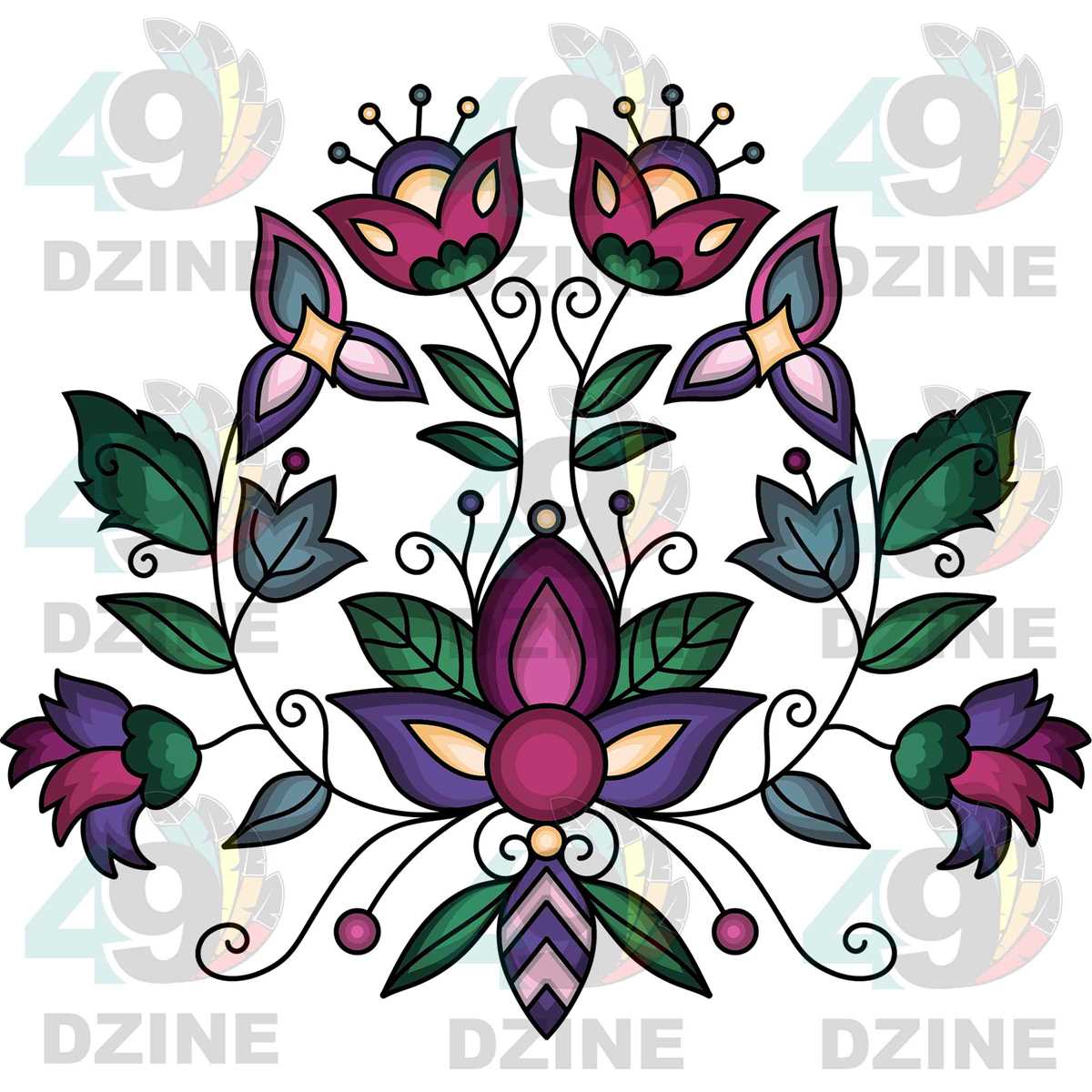
Start by selecting high-quality materials that can handle intricate prints. Thick, textured paper is ideal for projects like cards, posters, or wall hangings. For textiles, use fabric-friendly transfer paper to ensure the designs will last after washing. Always consider the texture of the surface you’re printing on to avoid distortion or fading.
Pay attention to the resolution of the images before printing. High-resolution files are crucial for maintaining the sharpness of these complex patterns. If the design appears pixelated or blurry when enlarged, it will affect the overall look and may diminish the impact of your project. Aim for at least 300 DPI (dots per inch) for optimal clarity.
These patterns often feature bold shapes and natural elements, so focus on printing at a size that complements your intended use. For smaller items like greeting cards or stationery, consider reducing the design’s size to maintain a balanced composition. For larger pieces, such as tapestries or wall art, ensure the print occupies the central space without overcrowding.
When incorporating these motifs into home decor, consider the colors traditionally used in the artwork. Earth tones like brown, green, and red can be paired with brighter accents like yellow or orange for contrast. For a modern twist, experiment with complementary colors that match your existing decor while still honoring the cultural origins of the designs.
If you’re working with fabric, use fabric paints or markers to add color after transferring the image. These mediums will allow you to customize the colors to your liking, whether you prefer a muted tone or a more vivid effect. Make sure to set the paint properly to prevent it from fading with time.
For smaller items like jewelry or accessories, consider resizing the pattern to create a more intricate, detailed effect. You can cut out individual flowers or motifs and use them in earrings, necklaces, or keychains. This approach is perfect for personalizing gifts or creating custom pieces for sale.
Another great way to utilize these patterns is by incorporating them into scrapbooking projects. Cut out sections of the artwork and arrange them into unique layouts. Adding decorative touches like beads, ribbons, or fabric swatches can further enhance the visual appeal, making each piece stand out as a work of art.
Lastly, if you’re new to working with these designs, don’t hesitate to experiment. Play with scale, color, and placement until you find the right balance for your project. These elements are versatile enough to fit various styles, from rustic to contemporary, allowing for endless creative possibilities.
How to Print and Use Native Floral Patterns for Crafts
Start by selecting a high-quality paper that suits your project. For crisp details, opt for thick cardstock or textured paper, especially if you’re creating cards, posters, or wall art. If working with fabric, use transfer paper to ensure long-lasting results after washing.
Before printing, adjust the image settings to the desired size. For smaller projects like bookmarks or tags, reduce the design while maintaining its proportions. For larger crafts, such as tapestries or pillows, increase the size without distorting the pattern’s elements. Always ensure the resolution is at least 300 DPI for clear, sharp prints.
For accurate and vibrant results, select appropriate ink for your material. For paper, standard printer ink works well, but for fabric or textiles, use fabric-specific ink or transfer paper. This ensures the colors don’t fade and stay vibrant after use. Double-check the printer settings before printing to make sure you’re getting the best quality.
After printing, let the paper dry completely before handling to avoid smudging. If you’re transferring the pattern to fabric, make sure the fabric is clean and pre-washed to avoid shrinkage after the transfer process. Follow the instructions on the transfer paper for proper heat-setting to prevent the design from washing out.
Finally, get creative with how you use the printed patterns. Cut out individual motifs and incorporate them into scrapbooks, jewelry, or even home decor projects. Layer different patterns or add embellishments like beads, ribbons, or fabric swatches to personalize your creation.