When it’s time for your child to learn the truth about beloved holiday figures, it’s important to approach the conversation with care. Use kind words to guide them through the discovery, ensuring they feel comfortable and supported. Start by emphasizing the magic of traditions and the joy of imagination, while gradually sharing the truth in a gentle way.
Craft a message that makes it clear the story behind these figures is about imagination and family traditions, not about deceiving or letting them down. A thoughtful explanation can help children understand the meaning behind these cherished moments without causing confusion or disappointment.
It’s helpful to consider your child’s age and emotional readiness. Some kids may have already started questioning the myths, while others may need extra reassurance and encouragement. Focus on nurturing their sense of wonder while shifting the focus to the more meaningful aspects of holiday celebrations.
Creating a Gentle Message for Children About Holiday Myths
Start by writing a clear, loving message that focuses on the joy of family traditions and the importance of imagination. Acknowledge the excitement and wonder the child has experienced, while gently explaining that the story they’ve been told is part of a larger tradition of holiday fun and fantasy.
Focus on positive aspects, like how these stories bring families together and create memories that last a lifetime. Reassure the child that the love and magic of the holiday season come from the people around them, not just from mythological figures.
Use simple, reassuring language. Avoid terms that could confuse or make the child feel betrayed. Instead of focusing on the end of the story, highlight how their understanding will grow and how they can continue to enjoy the festivities in new ways as they get older.
- Emphasize imagination: Explain that it’s okay to believe in make-believe as part of a fun tradition.
- Reframe the magic: Highlight how traditions like gift-giving and festive meals are part of a shared family experience.
- Encourage questions: Let them know it’s okay to ask about the history behind the holiday stories.
Remember, the goal is not to create disappointment, but to help the child understand that these tales are about joy, creativity, and togetherness, rather than just myth. Frame the conversation in a way that supports their growing understanding while preserving the magic of the season in a different form.
How to Write a Compassionate Message for Children
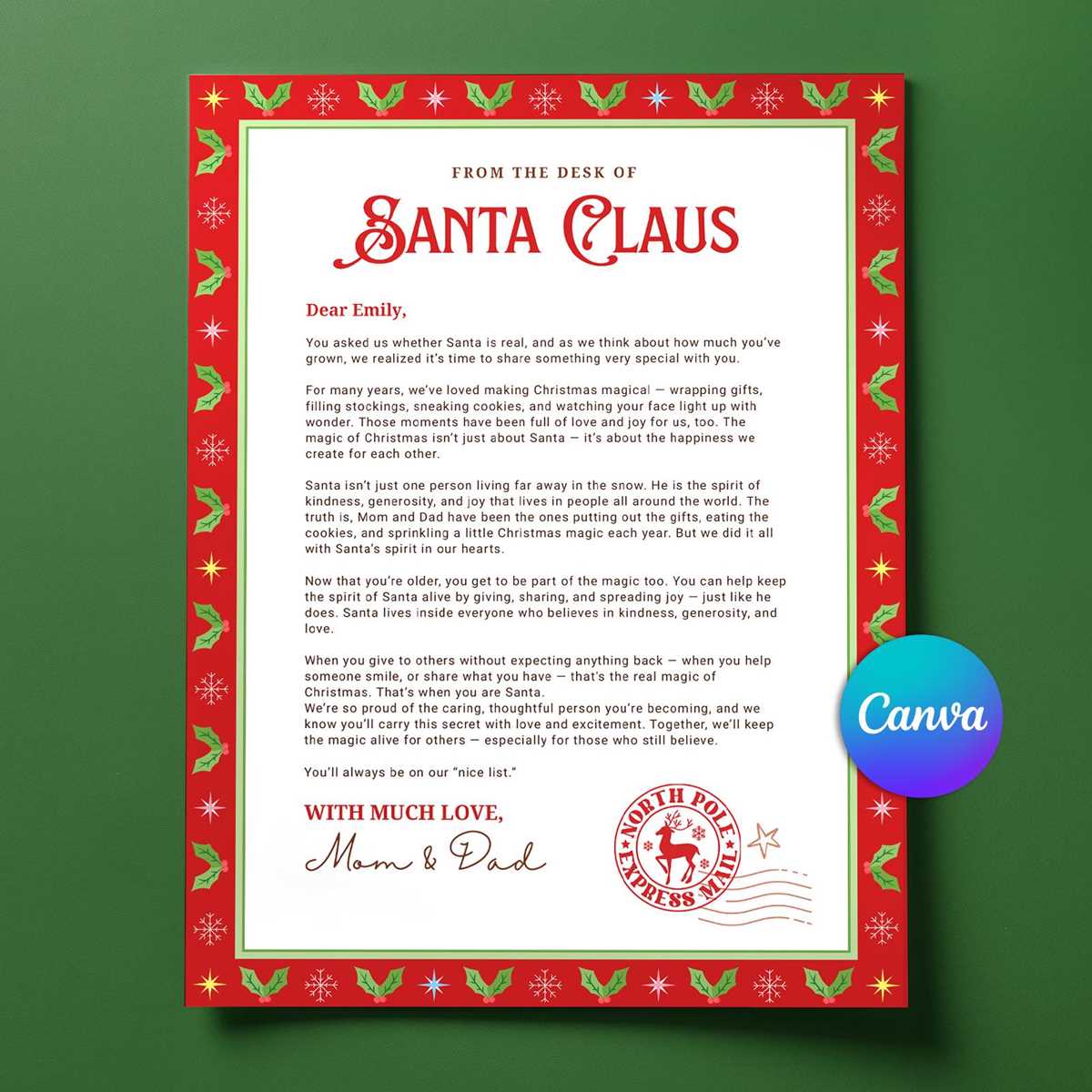
Begin by acknowledging the child’s feelings. Let them know that their sense of wonder is important, and that the stories they’ve grown up with were meant to bring joy and excitement. Gently introduce the idea that the characters they’ve believed in are part of a tradition that helps make holidays special, but the real magic comes from family, love, and togetherness.
Reassure them that this is a normal part of growing up, and it doesn’t take away from the fun of the holidays. Encourage them to be part of the new tradition by helping create joy for others, and remind them that they can now share in the magic by making new memories with those they love.