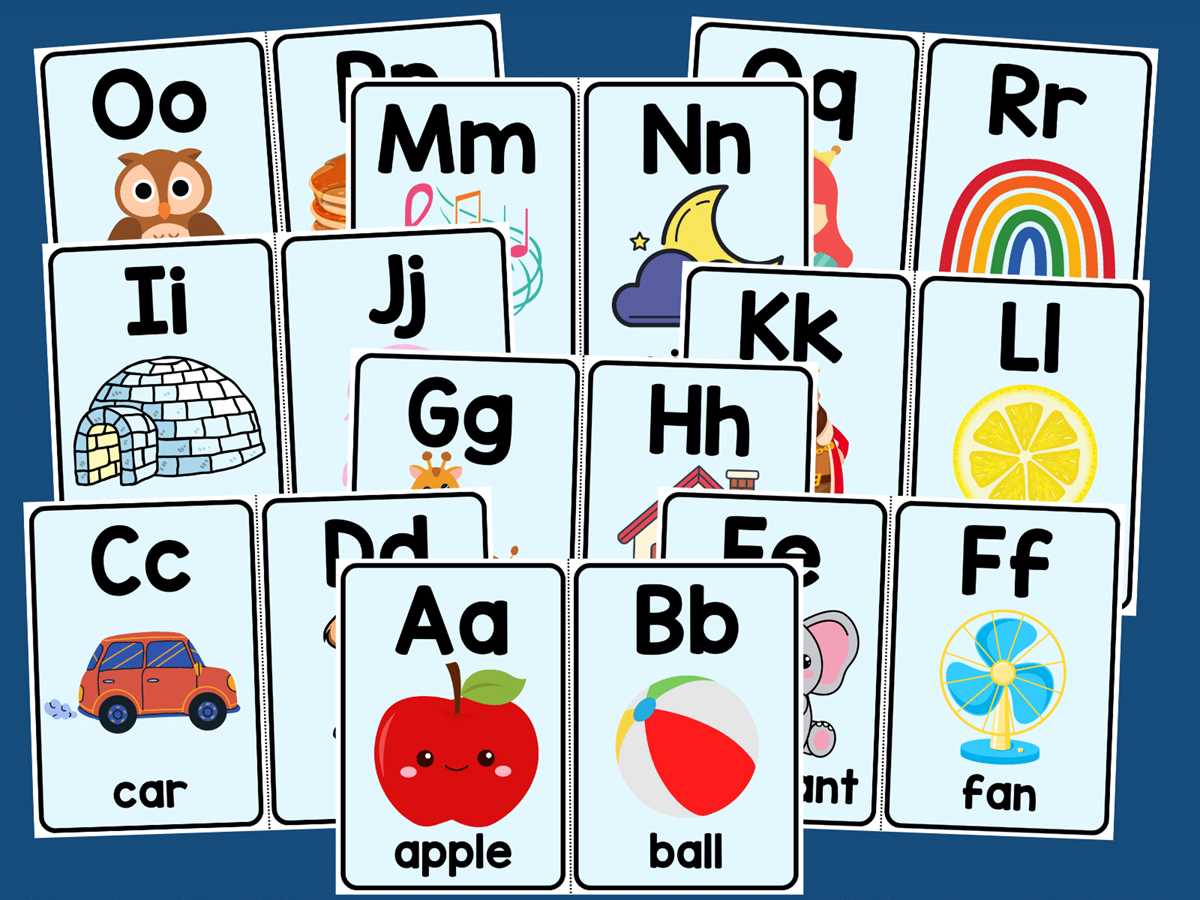
Start with clear, easy-to-read designs when selecting resources for young children learning to recognize and write letters. Opt for large, bold characters with simple backgrounds that won’t distract from the letter itself. This allows children to focus on the form and shape of each letter. As children advance in their learning, move to images with more complexity, such as associating letters with objects or animals to make the learning process more interactive.
Make sure to use high-quality, durable materials when printing these educational tools. A heavier paper or cardstock is recommended for frequent handling, especially if you’re using markers or crayons. It’s also worth laminating them if you’re planning to reuse the cards for multiple sessions or want to preserve the designs for longer periods of time. This ensures that the cards can withstand daily wear and tear while still being effective in helping young learners.
Incorporate these cards into engaging learning activities, such as matching games or memory exercises. For example, pair each letter with an object that starts with that letter and encourage children to say the letter and word aloud. This not only improves letter recognition but also helps with vocabulary building and phonics skills.
How to Make the Most of Letter Learning Tools
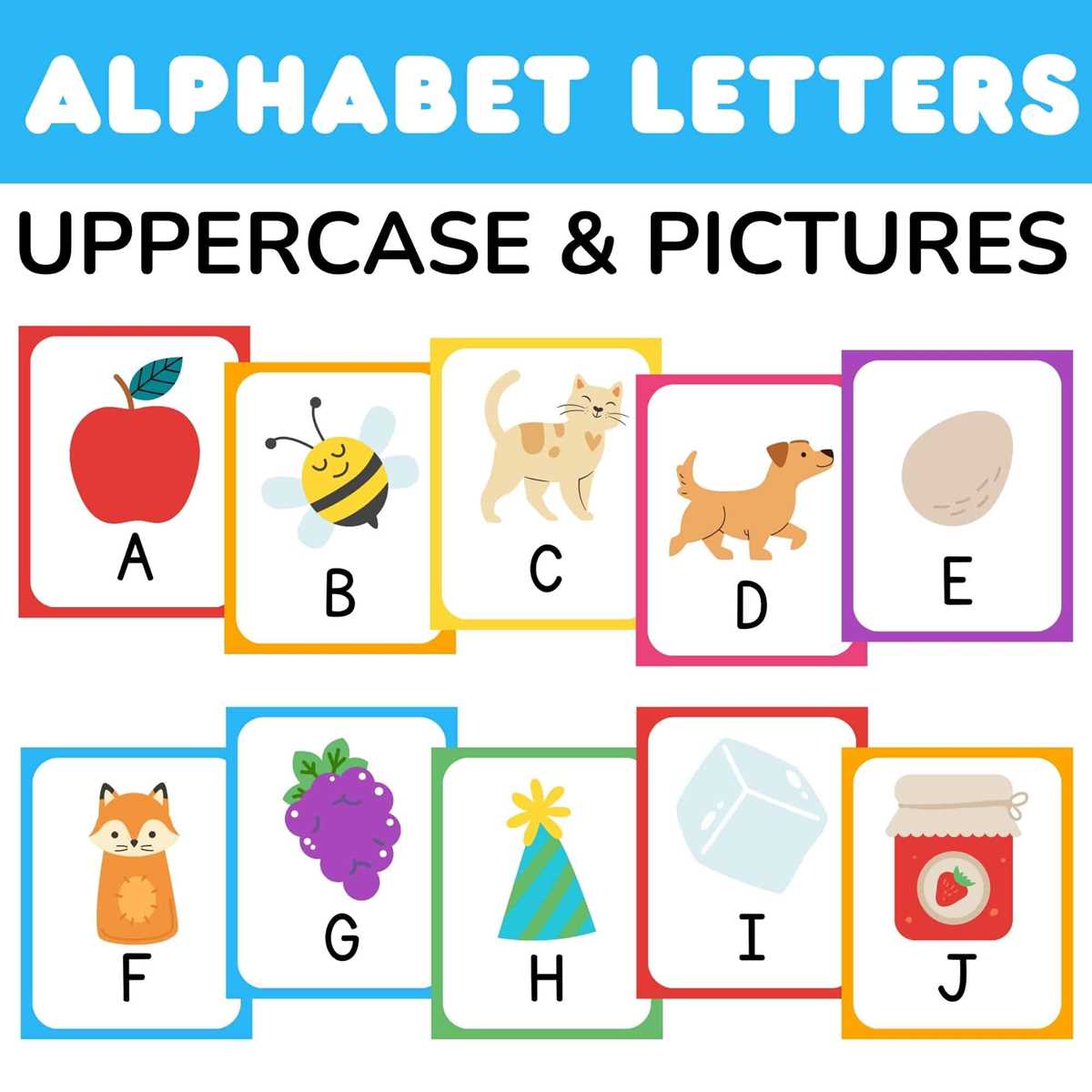
When creating learning tools for children, choose simple designs with clear, bold letters. This allows young learners to focus on the shape of each character without distractions. Keep the background minimal, using plain colors or light patterns to prevent confusion. The letters should be large enough to capture attention, yet not too overwhelming. It’s also helpful to introduce both uppercase and lowercase forms together, as this gives children a fuller understanding of the letter structure.
For older children, consider adding more elements to the designs. Incorporating objects or animals that start with each letter can boost word association and vocabulary development. For example, an “A” can be paired with an image of an apple, or “B” with a ball. These associations not only help reinforce letter recognition but also encourage phonemic awareness and sound-letter correlation.
To make the learning experience more engaging, consider using colors to highlight the letters or to show different categories. For example, use one color for vowels and another for consonants. This color-coding technique helps young learners distinguish between different types of letters and can aid in early reading development.
To ensure durability, print these educational tools on high-quality, thick paper or cardstock. This prevents the designs from tearing easily during handling, especially for kids who might be using them repeatedly. If you’re looking for longevity, laminating them is a great option, as it adds a protective layer that makes them more resistant to wear and tear.
Incorporate these materials into different learning activities. For example, you can use them in a matching game where kids match the letter to an object or image. Another fun activity involves having children identify letters from a set and say a word that begins with that letter. These interactive activities make the learning process more enjoyable and memorable.
Finally, consider creating a routine with these learning tools. Repetition is key to letter recognition and early reading skills, so incorporating these resources into daily activities or dedicated learning sessions can speed up progress. Over time, as children become more familiar with the shapes and sounds of letters, they’ll gain confidence in their ability to recognize and use them in various contexts.
How to Choose the Right Letter Learning Tools for Young Learners
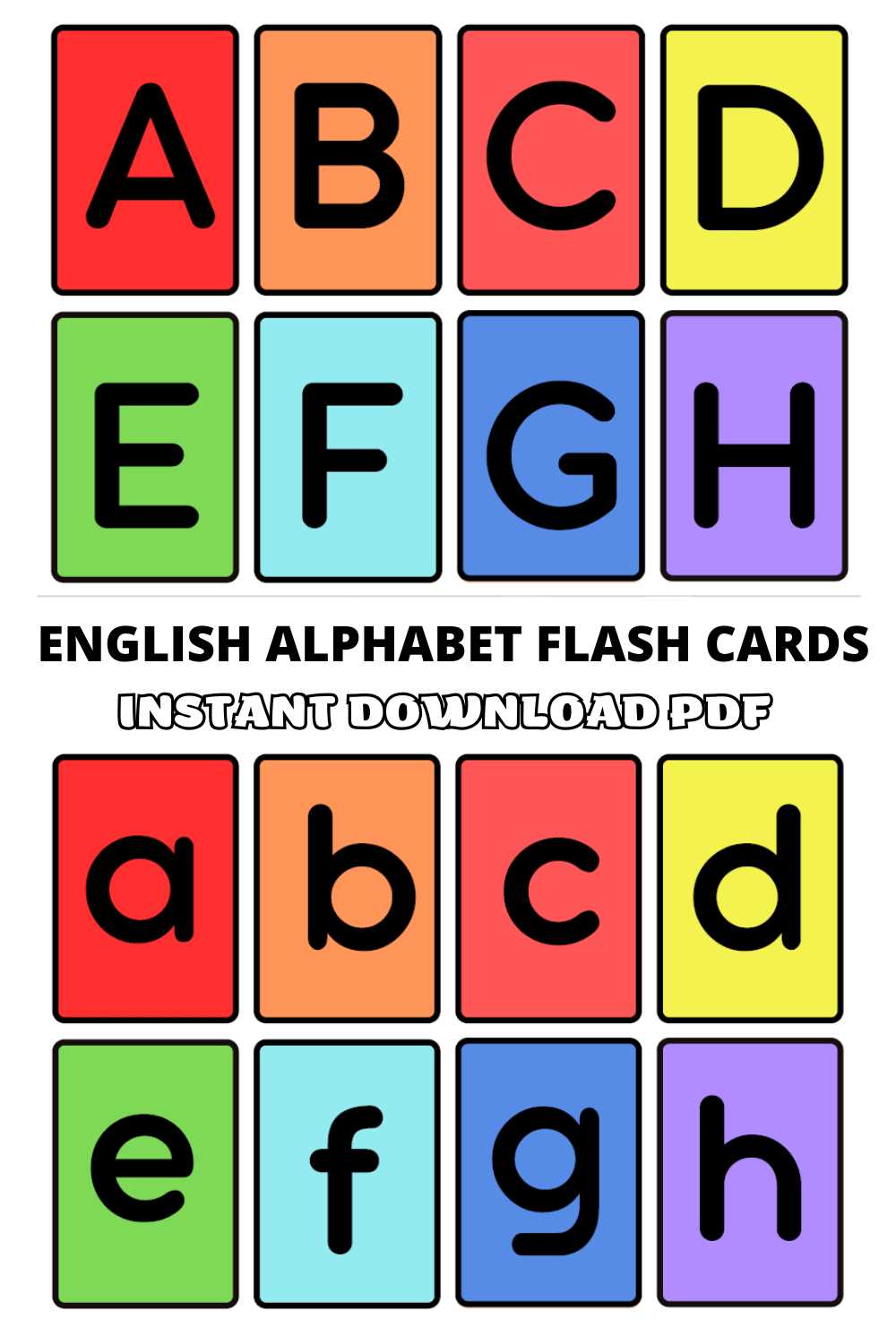
Select designs with clear, bold letters that are easy for young learners to recognize. Avoid cluttered images or backgrounds that might distract from the character itself. Simple, large fonts with clean lines make it easier for children to focus on the shapes and forms of each letter, improving recognition and recall.
Look for tools that include both uppercase and lowercase characters. Introducing both forms simultaneously helps children become familiar with the different shapes and sizes of letters, which is important when they start reading and writing. This approach reinforces a more well-rounded understanding of letter usage.
For added engagement, consider resources that pair each character with a visual representation of an object that starts with the same letter. For example, “A” could be paired with an apple or “B” with a ball. These associations create a more interactive learning experience and encourage phonics development by connecting sounds with images.
Durability is key, especially if these learning tools will be used frequently. Choose materials that are sturdy enough to withstand constant handling. Printing on thick paper or cardstock ensures that the resources last longer, and laminating them can add a layer of protection for repeated use in classrooms or at home.
Finally, consider the age and developmental stage of the learner when selecting designs. For very young children, simpler images and fewer details are better. As they grow, you can introduce more complex designs, such as action scenes or objects with multiple elements. Tailoring the learning tools to the child’s current skills keeps them engaged and challenged at the right level.