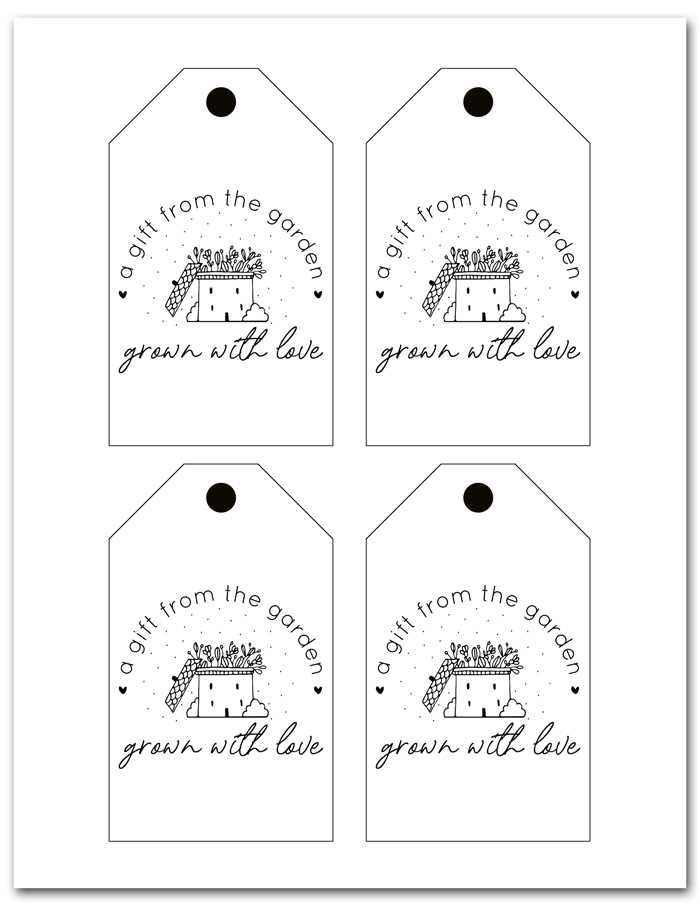
Download a variety of designs that can easily be modified for your garden organization. Once you have the design, you can adjust the text and size to fit your specific needs, whether it’s for flowers, herbs, or vegetables. These customizable tags help you identify plants quickly, especially when you’re managing multiple species in your garden.
To start, all you need is basic paper or cardstock to print out the designs. Many sites offer high-quality files in PDF or JPG format, ensuring that you can print directly without any extra steps. Make sure to choose a material that’s durable enough to withstand outdoor conditions, like waterproof or laminated paper, to keep the tags lasting longer through different weather conditions.
Once printed, you can easily cut the tags and add any finishing touches, such as writing the plant names or decorating the tags to match your garden’s aesthetic. Adding a coat of varnish or using permanent markers will ensure your identification tags remain readable even after exposure to rain or sun.
Designing Custom Identification Tags for Your Garden
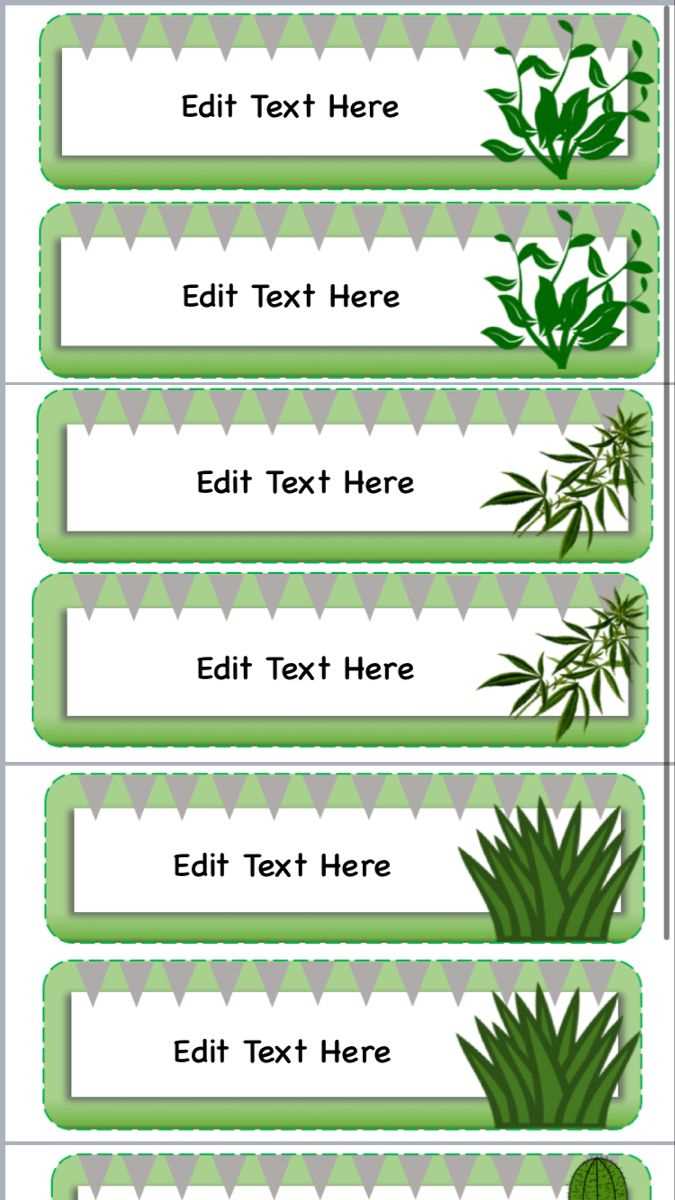
Start by selecting the right design for your garden’s organization. Many websites offer simple, customizable files that you can easily edit with your plant names or any other information. Choose a style that complements the look of your garden, whether it’s a clean minimalist design or something more decorative. Editing the text is easy with a word processor or design software like Canva, allowing you to personalize each tag exactly to your liking.
Once you’ve customized the design, consider using sturdy materials for durability. Standard paper works for indoor plants, but for outdoor use, it’s advisable to print on cardstock or laminate the tags. This will protect the writing from rain, sun, and wind, ensuring your garden stays organized for a longer period. You can also opt for waterproof paper, which is a great option if you don’t want to laminate.
After printing, cut out each tag with scissors or a craft knife. To make the process easier, look for pre-cut designs that fit common label sizes. A helpful tip is to create a template that includes multiple tags per page so you can maximize your paper usage. Once cut, use a hole puncher to create a space for a string, or affix the tags to small stakes to place directly into the soil.
For added durability and style, consider writing on the tags with a permanent marker or using adhesive vinyl letters. This will prevent fading or smudging over time. You can also decorate the tags with a little paint, washi tape, or stickers to match the aesthetic of your garden. This allows for a more personalized, decorative touch that blends well with your outdoor space.
Lastly, keep track of your plant care by noting important details on each tag, such as watering schedules, sunlight preferences, and growth stages. This additional information can help you maintain a thriving garden and assist others who may tend to the plants in your absence. Whether for decoration or function, these customized tags will help you stay organized and add charm to your gardening project.
How to Download and Customize Your Plant Tags Design
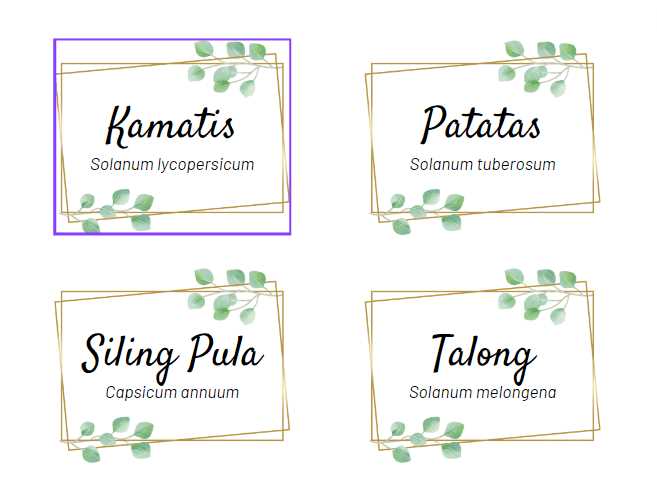
Start by finding a reliable website that offers downloadable designs for your garden. Websites like Canva, Etsy, or specialized gardening sites provide files in PDF, JPG, or PNG format. Once you’ve selected a design, click the download button and save the file to your computer. Open the file in your preferred software, such as Adobe Reader, Word, or Canva, depending on the file type. You can then adjust the text to add your desired plant names, care instructions, or other details. Some platforms also allow you to change the colors, fonts, or overall layout for a more personalized look.
After customizing, make sure to check the print settings before you start. Ensure the design fits your paper size, whether it’s letter-sized or another format. If you’re using a word processor or design software, you can adjust the scale to match the desired size for each tag. Print a test sheet first to check the alignment and make any final adjustments. Once satisfied, print the final version and proceed to cut, laminate, or decorate the tags as needed for your garden.