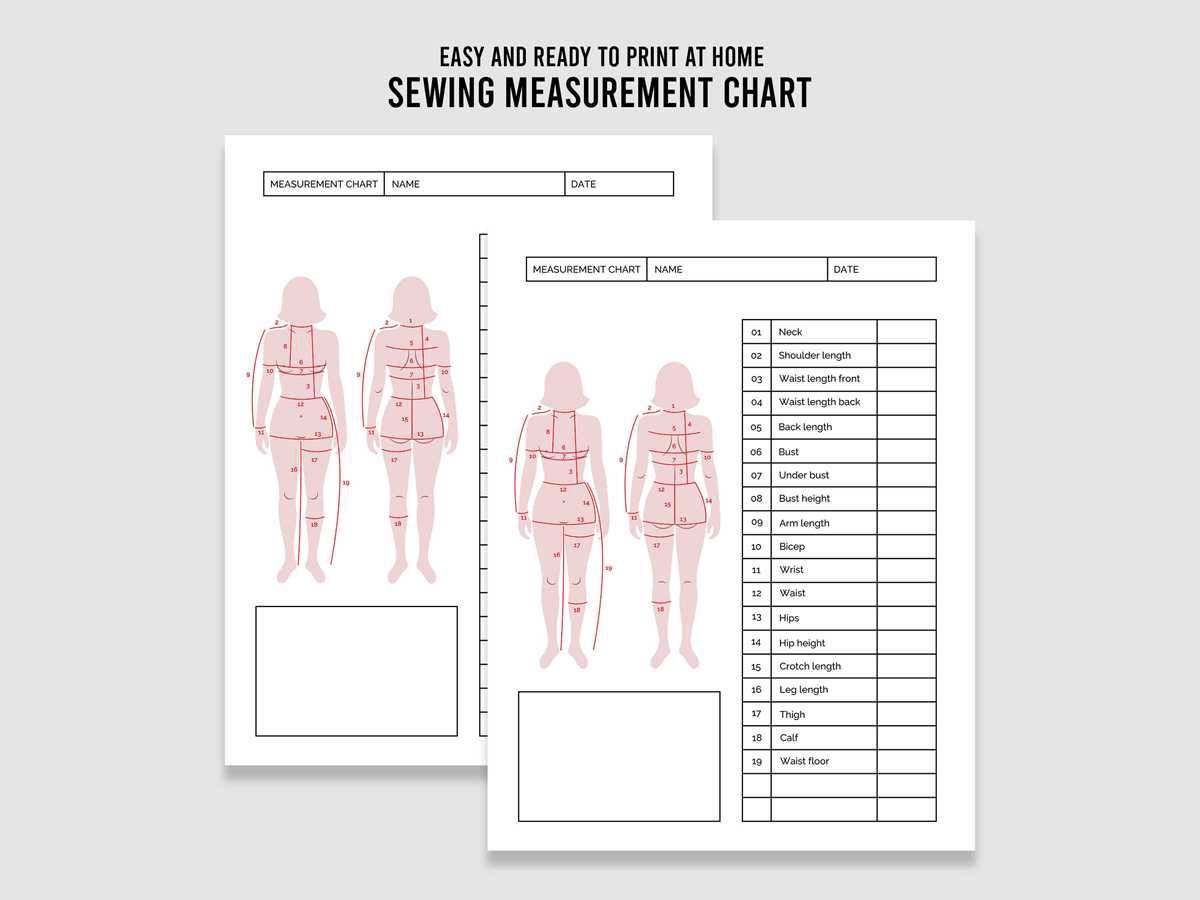
To keep a reliable record of your child’s growth, start by printing a personalized wall ruler that can be easily mounted at home. Choose a design that complements your room’s aesthetic while providing clear markers for accurate measurements. Make sure to select a template with a clear, vertical scale and enough space between markings to avoid confusion as your child grows.
For precise tracking, use a ruler or measuring tape to check your child’s height regularly, marking the measurement on the wall chart with a pencil or sticker. This method ensures you won’t miss any growth milestones and provides a visual reminder of their progress. You can adjust the frequency of updates as needed, whether you prefer monthly or quarterly checks.
If you’re looking for more customization, many websites offer downloadable templates that can be tailored to your preferences. Consider adding names, dates, or even personal artwork to make it a unique keepsake. With this simple tool, you can visually track growth over time without the need for bulky devices or expensive health monitoring systems.
How to Accurately Measure Growth Using a Wall Ruler
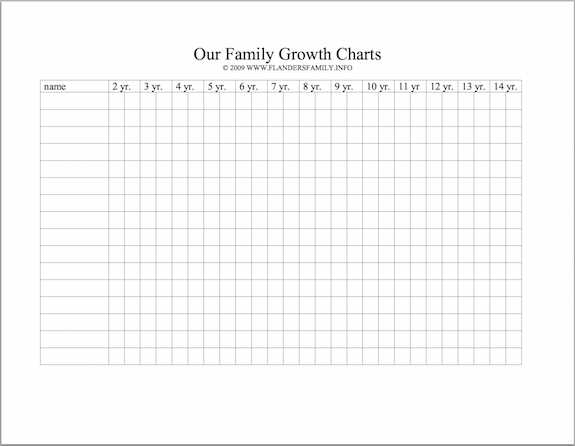
To ensure accurate tracking, position the ruler vertically against a flat surface. Make sure it aligns straight with the floor or ceiling to prevent errors. Use a tape measure to mark the exact starting point for the measurements. For more precision, place a horizontal mark at the bottom where the child’s feet should touch during each reading.
Regularly mark growth intervals on the wall ruler using a small pencil or sticker. It’s helpful to update every few months, particularly during periods of rapid growth. This system provides a clear visual record and allows for comparison over time. For added durability, consider printing the template on heavy paper or laminating it to protect from wear and tear.
How to Design a Growth Measurement Guide for Home Use
Start by selecting a clean, simple design that will fit the wall space where you plan to place the guide. A narrow, vertical layout works best for door frames, while a wider version is suitable for larger walls. Choose a clear, easy-to-read font for the numbers and leave enough space between each marking for easy visibility. You can also include additional features, such as dates, names, or themed decorations to make it personal.
Use a design tool or software to create your custom template. For more precise measurements, consider adding small tick marks every inch or centimeter. Make sure to adjust the scale so it reflects real-world units accurately. Once you’re happy with the design, print it on sturdy paper or laminate it to ensure durability. After printing, mount it securely on the wall, ensuring it stays level during installation.