If you’re looking to create a safe and inviting space for local wildlife, constructing a bird shelter is a rewarding project. Choosing the correct dimensions, materials, and features ensures a comfortable environment for nesting birds. Start by using untreated wood like cedar or pine to build a durable structure that can withstand the elements. Pay attention to the size of the entrance hole, which should be large enough for small species but small enough to keep out larger predators.
Once you have the structure in place, make sure to hang the shelter in a quiet, secluded area that’s safe from wind and rain. The placement should also provide enough space for the birds to approach and leave easily, but be far from heavy foot traffic or active predators like cats. To maintain the integrity of the shelter, clean it thoroughly after each breeding season to remove any debris or parasites.
Additionally, you might consider adding some features like ventilation holes to allow for airflow or a slanted roof to shed rainwater. These simple touches will help ensure the shelter serves its purpose year-round, offering a safe haven for nesting birds. With the right care, your shelter will become an appreciated addition to your backyard, attracting a variety of species over time.
Designing a Perfect Bird Shelter for Your Yard
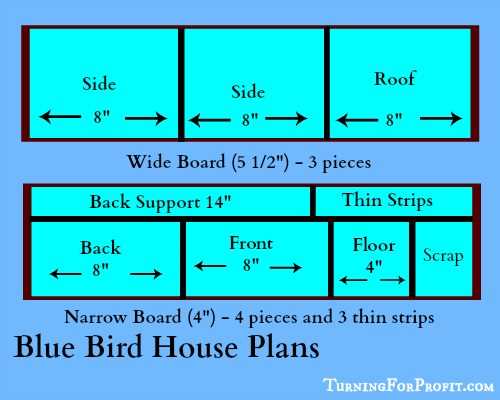
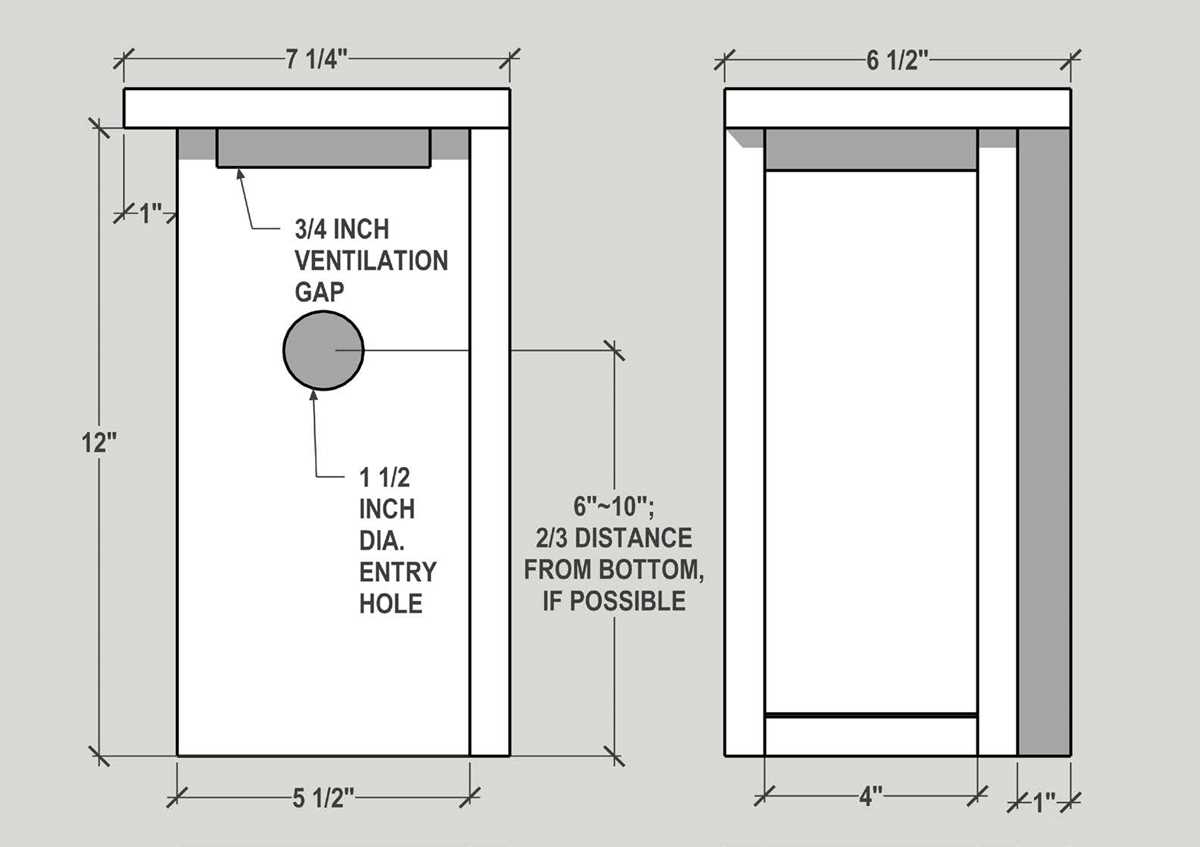
Begin by choosing the right dimensions for the nesting box. The ideal size ensures comfort for the birds while also providing adequate protection from predators and harsh weather conditions. A common recommendation for the floor space is around 5 inches by 5 inches, while the height of the structure should not exceed 10-12 inches to maintain the proper temperature and humidity levels inside.
Next, decide on the entrance hole diameter. For smaller species, the hole should be around 1.5 inches in diameter, which allows just enough room for them to enter while keeping larger predators out. The positioning of the entrance hole should also be considered carefully – 6 to 8 inches above the floor provides the birds with a safe entry and exit route.
When choosing materials for your shelter, always go for untreated wood. Cedar, pine, or cypress are all great choices due to their durability and resistance to rot. Avoid using pressure-treated wood, as the chemicals in the treatment could be harmful to the birds. Additionally, wooden surfaces provide the best insulation for temperature regulation, keeping the birds comfortable throughout the year.
As for assembly, it’s critical that the walls are sturdy but not too thick, as thick walls can trap excessive heat. Ensure that the shelter has good ventilation. Small holes in the back or sides of the box allow airflow without compromising the safety of the birds inside. This prevents the buildup of harmful moisture and keeps the space breathable, even in hot or humid conditions.
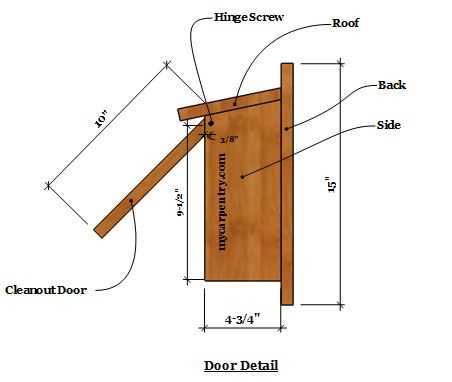
The roof of the structure should have a slight slope to allow rainwater to drain off quickly. This helps prevent moisture buildup inside and ensures that the birds are kept dry, even in heavy rain. Make sure the roof is secure and easy to remove for cleaning after the nesting season.
Positioning the shelter in your yard is as important as building it. Mount the shelter at a height of 4 to 6 feet off the ground on a tree, post, or pole. Avoid placing it near shrubs or areas with a lot of foot traffic to reduce the risk of predators finding it. The best spots are typically open fields or gardens, away from dense areas that could attract animals like squirrels or raccoons.
Once the shelter is built and mounted, it’s important to check on it periodically to ensure that it’s still in good condition. Birds may not use a shelter that is too dirty, so after each breeding season, clean the interior with a mild, safe solution to remove any nesting debris, mites, or parasites. Keeping the box clean will encourage birds to return year after year.
Lastly, consider placing a protective guard around the entrance hole to prevent predators like snakes or raccoons from gaining access. These guards can be made from thin metal or mesh, providing extra safety for the birds without obstructing their entry. Regularly inspecting the shelter for any signs of damage will help ensure that it remains a safe haven for local wildlife.
Choosing the Right Materials for Building a Bird Shelter
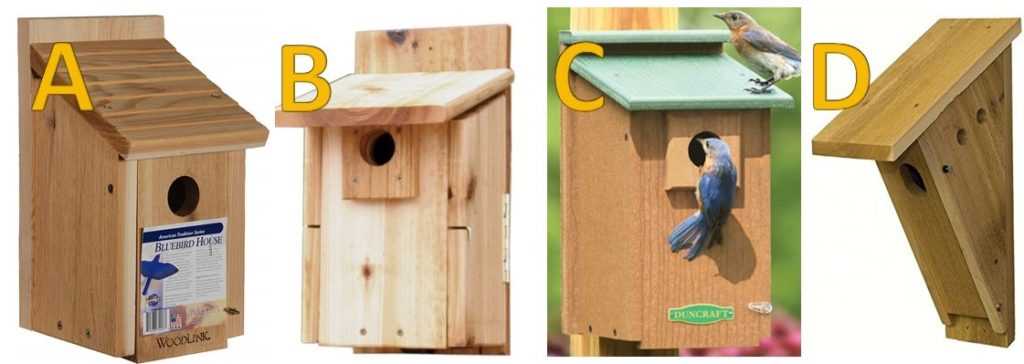
The material you choose directly impacts the durability, insulation, and safety of the shelter. Opt for untreated wood, such as pine or cedar, as these woods are durable, weather-resistant, and naturally repel pests. Cedar is particularly known for its resistance to rot and its pleasant aroma, which can also deter insects.
Avoid pressure-treated wood or any material that has been treated with chemicals. These substances, while great for preventing decay, can be harmful to birds. Ingesting chemicals or coming into contact with treated wood could pose health risks to the birds using the shelter.
Wood should be thick enough to provide insulation but not too thick, as excess thickness can make the shelter too hot in the summer or too cold in the winter. A good range for the thickness of the walls is about 3/4 inch. This provides adequate protection while also allowing for some ventilation inside the shelter.
Additionally, consider using metal for the entrance hole guard. A thin metal plate or mesh is a great way to protect the birds from predators, such as snakes, while still allowing easy access for the birds. The metal should be smooth and free of sharp edges to avoid injury.
For the roof, you can choose wood or metal, depending on the climate. Metal roofs are great for areas that receive a lot of rain, as they help water flow off easily. However, in colder climates, a wooden roof might be preferable, as it offers better insulation and helps maintain a stable temperature inside the shelter.
Lastly, ensure that all materials are safe, non-toxic, and able to withstand the elements. Regularly check the structure for any signs of wear or damage to keep it in optimal condition for the birds. Taking the time to select the right materials ensures the shelter will last for years while providing a safe environment for nesting birds.