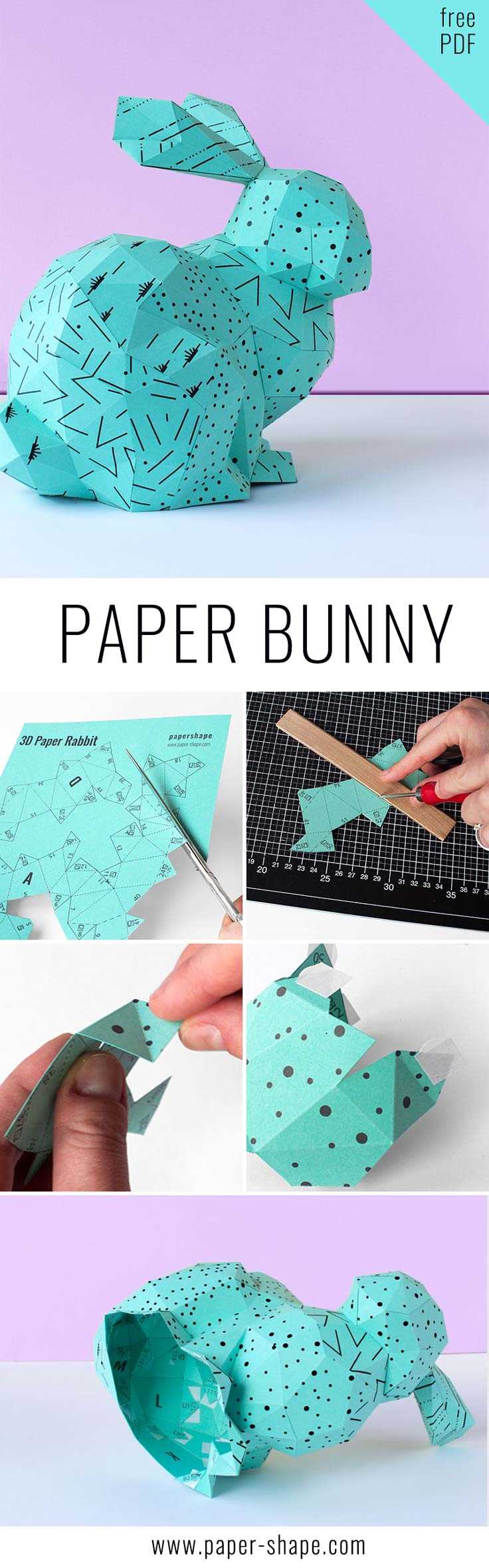
Start by choosing intricate designs with clearly marked folding lines and precise cuts. The most important aspect is to ensure that the pieces fit together perfectly. Accurate measurements and sharp edges can make a huge difference in the final look.
Use sturdy materials like cardstock or thick paper to guarantee that your structures hold shape well. Start with simple shapes such as cubes or pyramids, and gradually experiment with more complex forms like animals or buildings. Layering and scoring are key techniques for enhancing the depth and stability of your projects.
Pay attention to the alignment of each section, especially in multi-piece models. Organize the parts in logical steps to avoid confusion. Using a light adhesive will prevent excess glue from showing on the surface, ensuring clean edges and a professional finish.
Creating Stunning 3D Models with Paper
When crafting with dimensional figures, one of the easiest ways to get started is by using structured designs that already outline the shapes. These structured figures can be found in the form of foldable or cut-out pieces that bring basic designs to life, creating a tangible form. Select designs that offer clear scoring lines for folds and markings that guide precise cuts to ensure the model holds its structure after assembly.
For optimal results, choose designs with multiple layers that can be stacked and glued together, making your project more intricate and realistic. Look for models that incorporate depth, using shadows and layering techniques, which create the illusion of movement or texture. Assemble the parts carefully, adhering to the provided lines to maintain consistency in form and quality.
Don’t forget to use a variety of materials to enhance the effect of the final product. While standard paper works well for many models, experimenting with thicker materials such as cardstock or textured sheets will give your model a sturdier structure. This attention to detail will result in more durable creations that stand out, perfect for display or as a unique gift.
Choosing the Right Material for 3D Projects
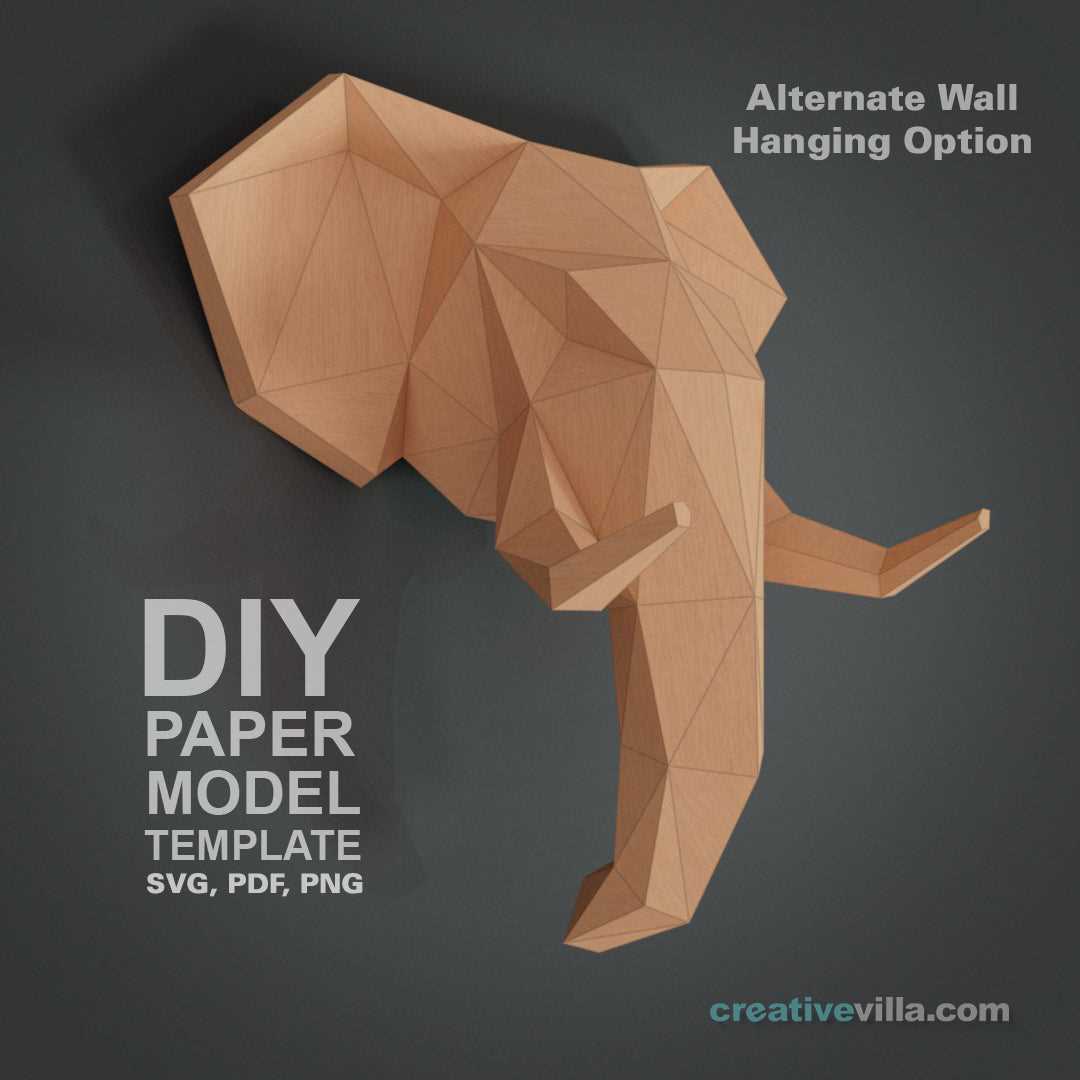
For dimensional creations, selecting the right material is paramount. Thicker, more rigid options are ideal for projects that require structure and stability. Heavier-weight items such as cardstock or construction-grade materials provide durability, preventing collapse during assembly.
Consider the weight of the material based on the complexity of the design. Light materials are suitable for intricate cuts but may not hold shape well without reinforcement. For more robust forms, opt for mid-weight stocks that can maintain their shape without becoming too bulky.
For texture, choose items with a smooth finish for clean, sharp edges when cutting. Textured surfaces may add a unique aesthetic but can complicate the cutting process, requiring more precision. Paper with a smooth, matte surface is generally the best choice for beginners.
When working on large-scale models, opt for sturdy and thicker materials to support the structure. Thin sheets can buckle and cause misalignment, while thick materials allow for better construction without distortion. A balance between weight and ease of use is key.
- Lightweight: Ideal for detailed, intricate cuts but requires support for shape retention.
- Medium-weight: Offers a good balance between rigidity and flexibility.
- Heavy-weight: Best for projects needing a solid structure, but may be difficult to manipulate for finer details.
Another consideration is the finish of the material. Matte finishes are suitable for clean, sharp edges, while glossy finishes may cause slipping during assembly but offer a shinier appearance once complete. Assess the final look you’re aiming for when selecting the surface finish.