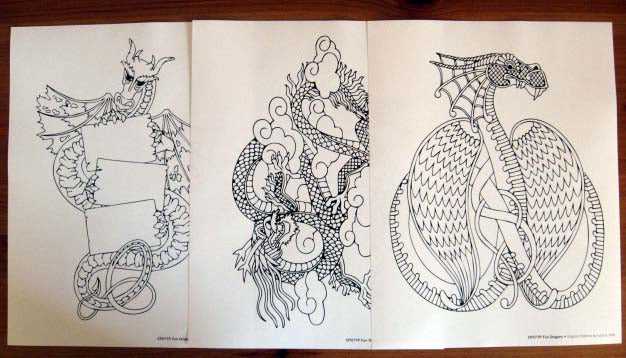
To start your woodworking project, choose a design that matches your skill level and the intended final effect. Simple motifs with clear lines are best for beginners, while more intricate shapes can be used for advanced techniques. Select a design that fits the size of your material to ensure it’s proportionate and easy to work with.
Once you’ve selected your design, print it out on high-quality paper. Ensure the scale is correct before cutting it out, as any distortion can affect the accuracy of the work. For more detailed cuts, consider enlarging the design to see the small features more clearly.
Next, transfer the design onto your material. Use a pencil or carbon paper to trace it, ensuring it’s centered and aligned. If you plan to reuse the design for multiple pieces, consider laminating the paper or using transfer paper for long-term use.
Printable Relief Carving Patterns
Start by selecting a design that matches your material size. If you are working with a smaller surface, opt for simpler, bold shapes. For larger surfaces, detailed or intricate motifs can be more suitable. Make sure the scale of the design is appropriate for your project to avoid distortion when transferred to the surface.
After choosing your design, print it with the proper settings. It’s important to use good quality paper to prevent tearing or smudging during the transfer process. Test the design on scrap material first to ensure it’s the right fit, and adjust the sizing if necessary. Once the pattern is in place, carefully trace it onto your workpiece to maintain its integrity throughout the process.
How to Choose the Right Relief Carving Patterns for Your Project
Begin by considering the complexity of the design. For beginners, start with simple motifs that feature bold, clear lines. These are easier to execute and allow for smoother results, helping you build confidence before attempting more intricate shapes. If you’re experienced, opt for more detailed and layered designs to challenge your skills and create more depth.
Next, evaluate the size of your working surface. If you’re working on a small area, choose a compact design that fits the space without overcrowding it. Larger surfaces allow for more expansive designs with intricate detailing, but make sure the design scale is proportionate to avoid any disproportionate features.
Think about the material you’ll be working with. Softer woods like pine or basswood are easier to carve and work well with detailed designs. For harder woods, select patterns with bolder, more defined elements that can stand up to the tougher material. Each type of wood will interact differently with your design, so choose accordingly.
The style of your project also matters. If you’re creating functional objects like furniture or frames, choose designs that complement the overall aesthetic. For decorative pieces, you can experiment with more abstract or ornate designs. Always keep in mind how the final piece will fit into its intended environment.
Consider the intended use of the carved item. If it’s for outdoor use, select patterns that work well with the elements. Simple, durable motifs often hold up better over time than intricate designs that may be prone to wear and tear. For indoor projects, you can explore more delicate and detailed options.
If you’re looking to create a certain effect, such as depth or texture, choose designs that incorporate varying levels of shading. Some patterns work best when they are layered, while others benefit from being cut more evenly across the surface for a flat, uniform appearance.
Don’t forget to assess the time you have available for the project. More complicated patterns require more time and precision. If you are on a tight schedule, select simpler designs that you can complete in a shorter time frame, ensuring you don’t rush through the details.
Lastly, consider any future projects that may benefit from the design you choose. Some patterns can be easily adapted for multiple uses. If you find a design you enjoy, consider making copies or adjustments that can be used for different projects down the line, maximizing the utility of your selection.