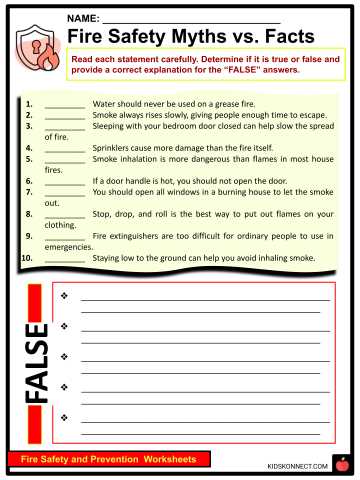
Start by downloading the necessary templates that outline evacuation routes, emergency contact numbers, and safety guidelines. These can be found on various websites offering resources for preparedness, and they are designed to be easily printed and displayed in accessible areas such as kitchens or hallways.
Once printed, place them in key locations where everyone in the household or office can quickly refer to them. Consider creating a customized version by adding your own emergency contacts or adjusting the layout to fit your space. This simple step can make a big difference in ensuring everyone knows what to do during an emergency.
These templates are not just for display–they can also be used for training purposes. Organize drills to practice following the procedures and ensure everyone is familiar with the emergency plans. Using visual aids makes it easier to remember crucial steps and increases overall preparedness.
Using Visual Aids for Emergency Preparedness
Download and display visual guides such as evacuation maps, emergency numbers, and helpful instructions in key areas like kitchens and bedrooms. These materials help everyone quickly understand the necessary actions during an emergency, making it easier to follow through in stressful situations. Place these resources at eye level so they are immediately visible and accessible to all household members or employees.
For a more personalized approach, customize the templates to reflect your specific building layout or include local emergency contacts. Printing these guides in color and laminating them ensures durability, so they can withstand the wear and tear of daily life. Regularly review and update the information to keep it current and relevant, and conduct occasional drills to ensure everyone is familiar with the procedures. This simple effort can improve preparedness significantly and enhance overall safety awareness.
How to Download and Print Safety Templates
Start by finding a reliable website that offers downloadable templates related to emergency preparedness. Websites like Red Cross or National Safety Council provide free resources that you can download directly to your computer. Many of these templates are offered in PDF format, which makes them easy to print without the need for special software.
Once you’ve selected the template you want, click on the download link. It will be saved to your device’s default download folder. After the download completes, open the file with a PDF reader, such as Adobe Acrobat, to ensure the layout is intact before printing.
Make sure your printer settings are adjusted to accommodate the size of the document. Most templates are formatted for standard letter-sized paper (8.5 x 11 inches), but if needed, adjust the print settings on your printer to fit the content to the page properly. You can also choose to print in color for better visibility or opt for black and white to save ink.
Before printing, preview the document to check for any layout issues. This allows you to verify that everything is in place, such as text alignment, images, or icons, which are often included in these templates. Ensure that no important details are cut off when printing.
If you want a more durable version, consider printing the template on thicker paper or even laminating it afterward. This is especially helpful for materials that will be handled frequently or exposed to varying conditions, like kitchens or garages.
For those who need multiple copies, use the print settings to adjust the number of copies required. You can print as many as you need without re-downloading the template. It’s a time-saving feature when distributing these materials to multiple locations.
Lastly, after printing, place the templates in strategic spots such as near exits, in common areas, or near emergency equipment like fire extinguishers. This ensures that everyone has quick access to the information when needed most. Regularly check that the documents remain legible and update them as needed to keep your preparedness plan current.