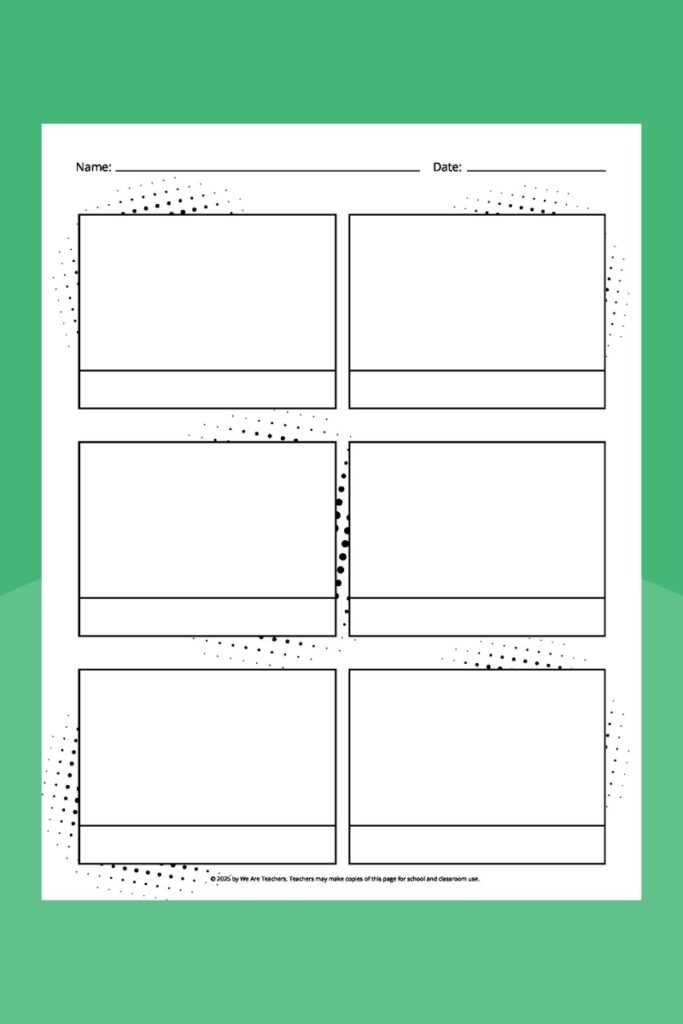
Creating engaging visual stories can be an exciting and rewarding activity. Start by using simple layouts that allow for clear storytelling. These layouts come with pre-drawn panels, giving you the freedom to focus on what matters most–the plot, characters, and dialogue. Whether you’re a beginner or have some experience in storytelling, using these designs can help streamline your creative process.
When choosing a layout, consider the number of panels that best suit your story. Traditional formats often consist of 3 to 6 panels, but feel free to experiment with fewer or more. This flexibility enables you to control the pacing of your narrative, allowing for both quick, punchy moments and more in-depth scenes. Ensure the space for each panel is balanced, giving enough room for characters and speech bubbles without overwhelming the reader.
To add depth to your work, focus on arranging the panels in a way that guides the reader’s eye through the story. Use panel transitions strategically to convey timing, action, or emotional shifts. For example, you can create a sense of tension by narrowing the panel size during critical moments, or create a calm mood with larger panels that allow the reader to pause and reflect.
Don’t forget to plan the flow of dialogue and visual elements. Each panel should flow seamlessly into the next, with dialogue and visuals working in harmony. Think about the placement of speech bubbles and characters to avoid clutter and ensure that your narrative is clear and easy to follow. Simplicity can often be more impactful than overloading each section with too many details.
Incorporating these practical tips will ensure your visual storytelling is both creative and effective. By understanding layout fundamentals, you can quickly design your own narrative spaces that are both fun and engaging. Get started by experimenting with different setups and adjusting them to fit your story’s needs!
HTML
Creating Your Own Comic Layout for Print
Designing a custom comic panel layout can be a fun and engaging activity for both beginners and professionals. Start by defining the number of panels you want in your sequence. A common choice is 3-5, allowing enough space for each scene to develop without overcrowding the page. You can use simple grid lines or borders to divide the space, leaving ample room for drawing and dialogue boxes.
Ensure the panels are proportionally balanced for effective storytelling. A common mistake is making all the sections equal in size, which can disrupt the flow. Vary the size and shape of the panels to create visual interest and emphasize key moments. Larger panels work well for important scenes, while smaller ones can speed up the pacing or indicate less significant actions.
Use thick black outlines for panel borders to make them stand out and guide the reader’s eye through the sequence. Keep the panel spaces consistent, but experiment with their arrangement to match the narrative rhythm. For instance, diagonal lines or uneven panel arrangements can convey movement or chaos, whereas a more structured grid feels stable and calm.
After you’ve sketched your layout, it’s important to leave sufficient space for text. Dialogue should fit naturally into the space provided, so be mindful of how your drawings and speech bubbles interact. Plan the narrative flow to ensure each panel leads logically to the next, making the reading experience smooth and intuitive.
Finally, once the layout is complete, you can print the design directly onto paper or use digital tools to refine it. Printing at a higher resolution ensures clear, sharp lines. Whether you’re creating a one-off or a recurring series, this method gives you full control over the visual storytelling experience.
How to Choose the Right Comic Panel Design for Your Project
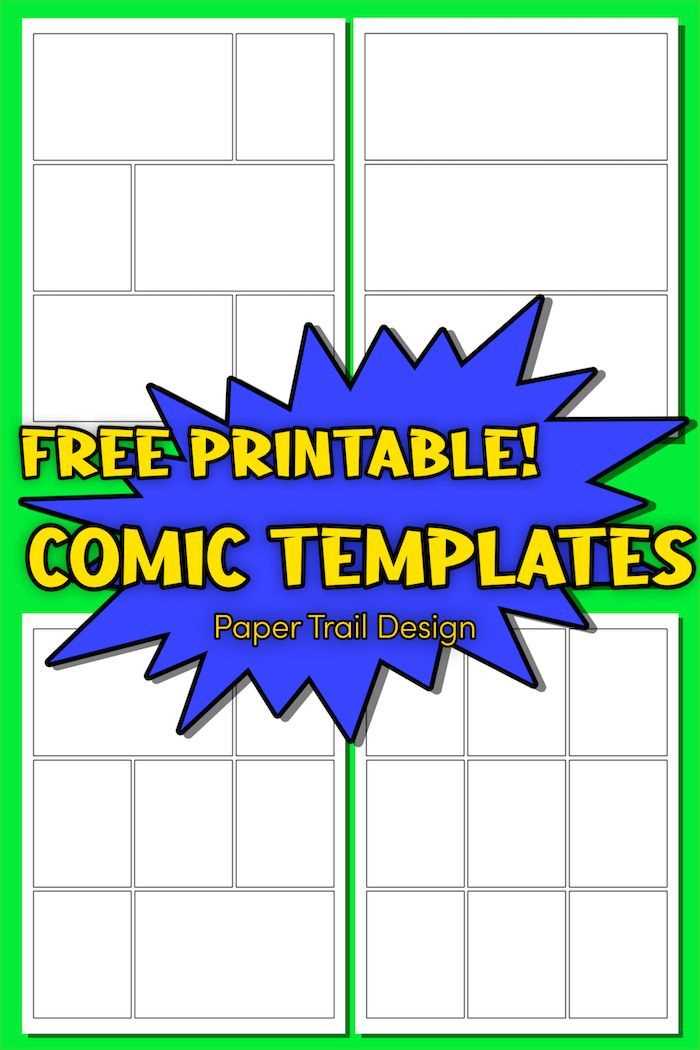
When selecting a design for your comic panels, start by considering the story structure. If your narrative is fast-paced or action-oriented, opt for layouts that allow quick transitions between frames, such as grids with fewer boxes or diagonal lines. This will enhance the flow and intensity of the scenes.
If your content leans more towards dialogue and character development, choose a design that provides ample space for speech bubbles. A template with larger frames or a more open layout will help accommodate the text without overcrowding the visuals.
Consider the tone and mood of the story as well. For a whimsical or lighthearted project, try using irregular panel shapes or playful arrangements. These can bring a sense of fun and creativity to the visuals. Conversely, a more serious tone might be best suited to a structured grid that promotes clarity and straightforwardness.
Pay attention to the number of panels per page. A classic design with three to six frames per page works well for most stories, but this may vary depending on how much detail you wish to convey in each scene. Having too many frames can make the page feel cramped, while too few may disrupt the pacing.
If your project involves complex settings or detailed backgrounds, consider templates that allow for larger individual panels. This will help showcase the environment and provide readers with a more immersive experience. On the other hand, if your project focuses on characters or emotions, a design with smaller panels will keep the attention on the subject matter.
The spacing between the boxes is another important factor. Some designs feature wide gaps between the frames, which can help emphasize the transitions between different moments in time. A tighter spacing, however, creates a sense of closeness and can be effective for building tension.
Experiment with varied panel shapes to add dynamism to your work. Circular, triangular, or even abstract panel shapes can break away from traditional formats and add flair to your pages. This approach is especially effective for action sequences or dreamlike sequences where a more free-flowing structure is needed.
Finally, always test your layout with the actual content. Adjust the placement of each panel and ensure that there is a balance between image and text. The final design should not only support the visual narrative but also allow for an enjoyable reading experience.