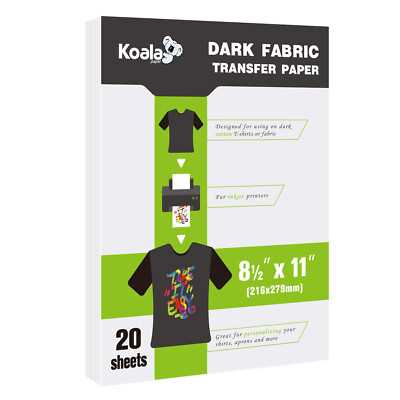
For optimal results when working with textiles in darker shades, choosing the right transfer material is key. Look for products designed specifically to create bright, sharp designs against these surfaces. A material with a strong contrast will ensure your designs pop, providing a professional appearance for all types of projects.
Before you begin, make sure your transfer material is compatible with the fabric you are using. Different materials require specific types of adhesive, so check the manufacturer’s recommendations. It’s also important to test the heat setting to avoid any damage to the fabric or design.
When it comes to cutting, ensure the design is clean and free of any overlapping lines. Use a quality cutting machine for precise results. Be mindful of the heat press settings, ensuring that both temperature and pressure are adjusted to the fabric’s needs to achieve a durable transfer without ruining the texture.
Printable HTV for Dark Fabrics
When applying transfer material to deep-toned textiles, make sure to select one that ensures high contrast and visibility. Look for materials specifically designed to adhere to dark colors, as these have stronger pigmentation to stand out effectively.
Choose a product with a thicker layer of adhesive for a cleaner transfer. Test the material on a scrap piece before starting on the actual garment to confirm the correct heat settings. Proper temperature and pressure are key for a lasting design that won’t peel off after washing.
For intricate designs, use a sharp cutting machine to achieve precise results. Additionally, applying light pressure during the heat transfer process ensures that the design sticks firmly without affecting the fabric’s texture. Regularly check the material’s condition to prevent any imperfections before final use.
How to Choose the Right HTV for Dark Fabrics
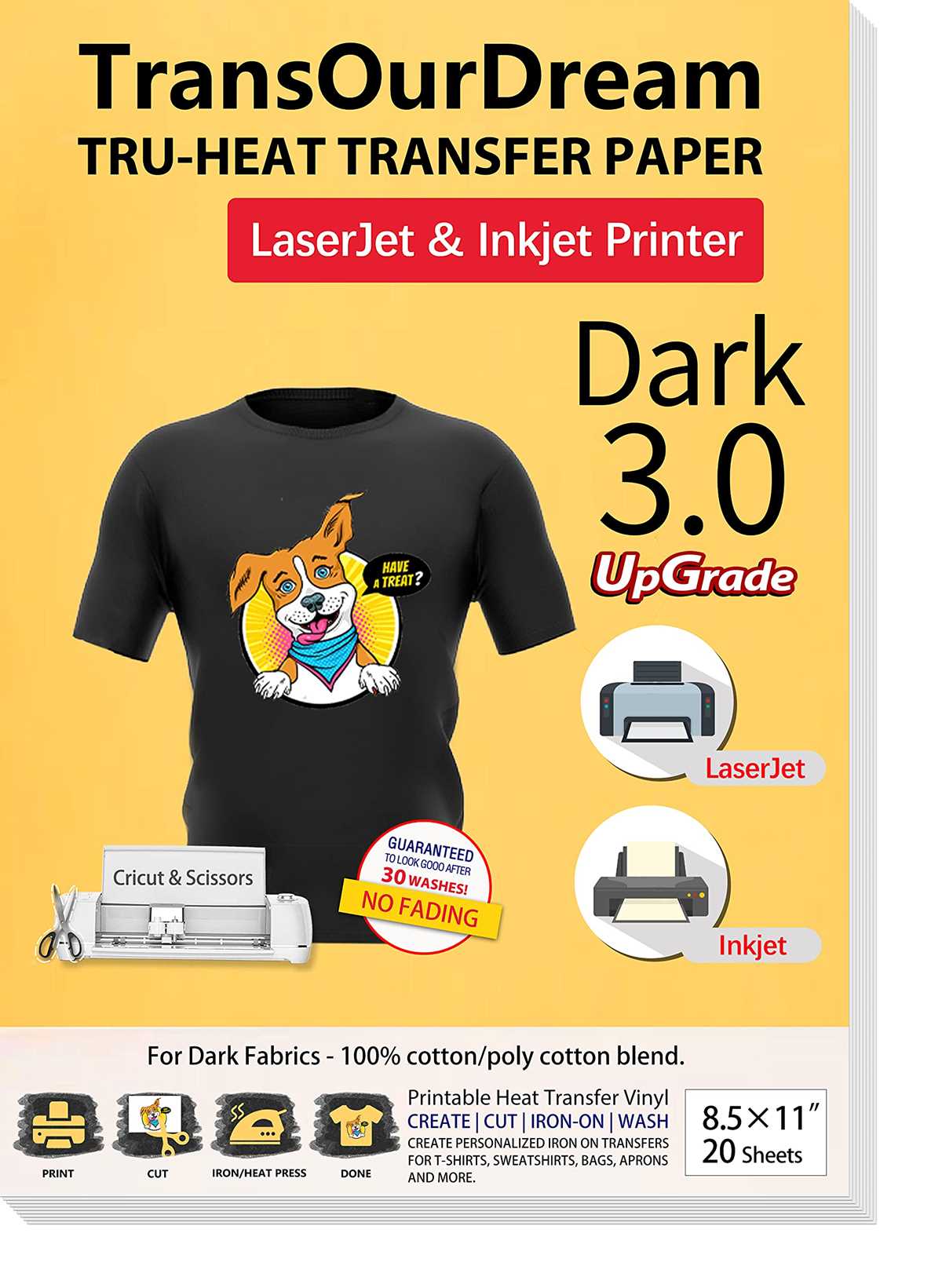
When working with deep-toned textiles, opt for transfer materials specifically designed to stand out against rich colors. These products typically have a higher opacity, ensuring vibrant results even on dark surfaces.
Consider the weight of the transfer material. Heavier materials tend to offer more durability but may require more precise application techniques. Lighter options are easier to work with but may not provide the same level of contrast, especially on thicker fabrics.
Adhesion strength is a key factor in the selection process. For long-lasting results, choose a transfer material with strong bonding capabilities. Make sure it adheres properly without peeling off during wear or after multiple washes.
Heat transfer settings play a critical role in achieving clean and lasting designs. Ensure that the material is compatible with your heat press or iron, and carefully adjust temperature and pressure for optimal results. Always test on a small sample first.
If you’re working with intricate or detailed designs, a transfer material with a fine texture and precise cutting properties is recommended. Look for options that allow for sharp lines and prevent any distortions when cutting detailed patterns.
Lastly, always check the manufacturer’s guidelines for compatibility with your fabric type and color. Some products are designed specifically for certain types of materials and may not work well with all textiles, so following these instructions is vital for success.