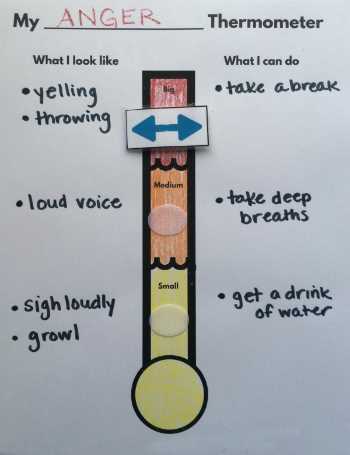
To better understand and control your emotions, consider using a chart that tracks your mood as it fluctuates throughout the day. This tool helps you identify how strong your feelings are and when they start to intensify, giving you a clear picture of your emotional state. By marking your levels regularly, you can pinpoint patterns and triggers, making it easier to address situations before they escalate.
Start by printing a simple chart with a scale ranging from calm to extremely upset. Assign numbers or colors to each level, with clear indicators for when your mood shifts. This approach turns an abstract feeling into something tangible that you can monitor. The next step is to record your emotional state at regular intervals–whether it’s every hour or after specific events–and track any changes. This habit will help you spot early signs of tension and avoid overwhelming outbursts.
Incorporate this method into your daily routine to build self-awareness. Over time, you’ll see which activities or interactions consistently push your emotional buttons. You can then use this knowledge to modify your responses, practice relaxation techniques, or take a break before emotions run high. It’s a practical, non-invasive way to build emotional control and prevent negative reactions in high-pressure situations.
Tracking Emotional States with a Visual Scale
For individuals looking to manage their emotions, using a visual scale to chart feelings can be highly effective. A chart that displays varying levels of emotional intensity helps identify when your mood starts to shift, offering an opportunity to address rising tension before it leads to negative behavior.
Design a simple scale that reflects different emotional levels, from calm to highly irritated. Each level can be assigned a color or number for easy recognition. This tool allows you to track where your emotional state falls at any given moment and gives you a clear picture of how much control you have over your reactions.
When you notice that you are approaching a higher level, take a moment to pause and evaluate the situation. This self-awareness is key in preventing overwhelming emotional reactions. By checking in with yourself regularly, you can take proactive steps to cool down or change the course of the situation before it escalates.
For the best results, record your emotional state at specific intervals throughout the day. Choose moments that are likely to trigger strong feelings, such as during stressful tasks or after difficult conversations. This practice helps establish patterns and gives insight into which situations provoke a rise in your mood.
Another useful approach is to mark your feelings after key events, like a stressful work meeting or an argument. By correlating your emotional states with specific triggers, you can begin to understand what contributes to the ups and downs in your mood.
Over time, this method can help you refine your responses to high-pressure situations. Once you recognize the early signs of frustration or stress, you can practice relaxation techniques, like deep breathing or taking a short break, to keep your emotions in check.
Another benefit of using this tool is that it allows you to track progress. As you become more accustomed to monitoring your feelings, you’ll notice your ability to maintain calm in stressful situations improving. This self-regulation is a key part of emotional intelligence, and it can positively impact both your personal and professional life.
Consider using a printable chart as a daily habit. Display it in a place where you’ll see it often, such as on your desk or refrigerator. This constant reminder will encourage you to check in with your emotions regularly and make adjustments as needed, helping you manage your feelings more effectively.
How to Use an Anger Thermometer to Monitor Emotional Levels
Start by choosing a scale that clearly represents different emotional states. Typically, the scale ranges from 0 (calm) to 10 (highly upset). Each number should correspond to a specific feeling, from contentment and neutrality to frustration and rage.
At regular intervals throughout the day, check your emotional state and record your number on the scale. This simple practice helps you become more aware of shifts in your feelings and helps identify patterns. For example, you might find that your mood fluctuates after meetings or specific interactions.
- Track your feelings at set times, like every hour or after a stressful situation.
- Identify triggers that move your emotional state from a lower to higher level.
- Take note of your physical sensations, as they can be indicators of your emotional intensity.
Once you identify patterns, practice responding before reaching the higher end of the scale. When you feel your emotions rising, take a moment to pause. This allows you to decide how to handle the situation, whether by using relaxation techniques or taking a break.
Over time, tracking your emotional levels helps you build a greater sense of self-awareness. As you become more in tune with your feelings, you can better manage them and prevent situations from escalating out of control.