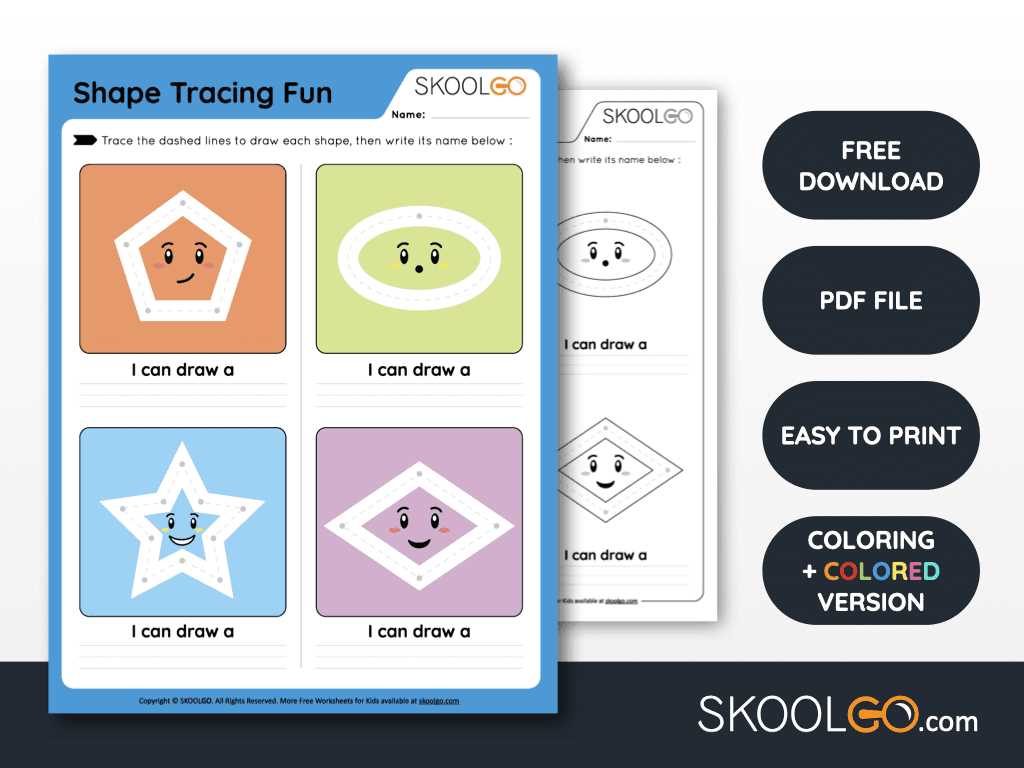
Start by using simple templates to introduce basic geometric figures to young learners. These resources are excellent for reinforcing visual recognition and can easily be printed from home. Using cut-outs and tracing activities helps children become familiar with the different forms while developing fine motor skills.
Try creating matching games with cut-out forms to further engage the kids in identifying and categorizing these symbols. The key is repetition through enjoyable exercises, which can make learning feel like play. Combining color and creativity with basic patterns encourages critical thinking and problem-solving from an early age.
Printable resources can also be tailored to fit any theme or holiday, turning learning into a festive experience. Whether it’s sorting by size, color, or symmetry, these materials can be used to cater to various learning styles and keep the kids involved.
Shapes Printables for Preschool
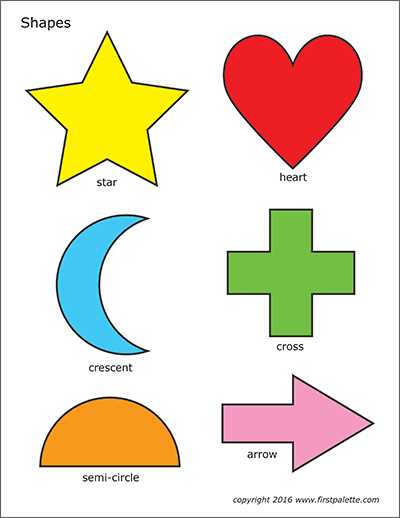
Introduce geometric forms through hands-on activities by using simple worksheets. Start with basic figures like squares, circles, and triangles. Create tracing exercises where kids can practice following the lines to reinforce the recognition of these forms. This method strengthens their fine motor skills while associating shapes with their real-world counterparts.
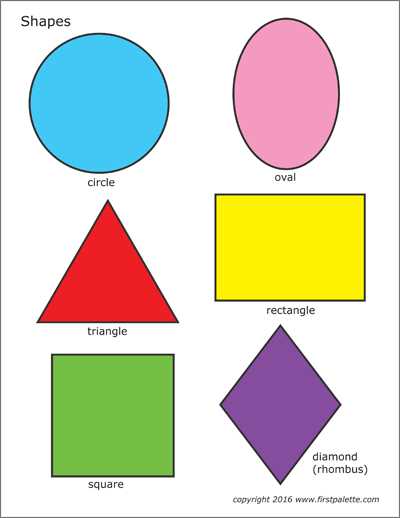
Another fun way to teach is by using cut-out templates. These can be colored in or assembled into simple objects like houses or cars, helping kids visualize how basic shapes combine to create more complex images. By turning learning into a crafting session, children stay engaged and make connections between visual learning and creative expression.
For further engagement, provide a set of tasks where kids must sort items based on their shape. For example, prepare a collection of pictures and have them group them by form. This type of activity encourages categorization skills and reinforces shape recognition while making it enjoyable through a game-like approach.
Include activities that teach the relationship between size and form. For instance, use different-sized templates and ask kids to identify which ones are bigger or smaller. By incorporating comparisons into exercises, children begin to understand these concepts in a practical, visual context.
Lastly, as a way to expand their learning, use themed activities for different holidays or seasons. Create form-based puzzles for events like Halloween or Christmas, where the kids can match shapes to festive images. This method not only reinforces their knowledge of forms but also integrates learning with the celebration of special events.
How to Use Shape Worksheets for Early Learning
Start by focusing on basic geometric figures such as circles, squares, and triangles. Provide worksheets where children can trace these figures, helping them develop both shape recognition and fine motor skills. Tracing lines enhances their ability to control a pencil or crayon while learning the specific characteristics of each form.
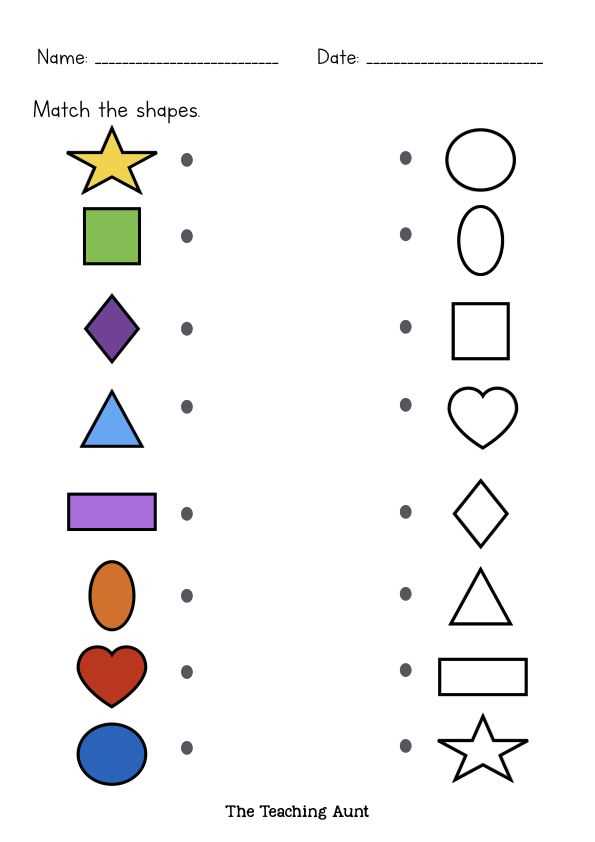
For more advanced practice, integrate matching activities where children connect different representations of the same form. For example, they can match a circle to a drawing of a clock face or a square to a box. This activity strengthens their understanding of how abstract symbols correspond to real-world objects.
To deepen their knowledge, introduce activities that challenge them to identify shapes in their environment. After completing a worksheet, encourage them to look around the room or outside to spot similar forms. This practical application bridges the gap between theoretical learning and real-world observation.
Use worksheets that also incorporate activities where kids have to differentiate between different sizes and orientations of the same form. This not only reinforces their recognition skills but also develops an understanding of size, positioning, and spatial relationships, which are key in early cognitive development.
Incorporate a creative element by having them color in the various forms on the worksheets. This adds an artistic dimension to the learning process, making it more engaging. You can even make themed worksheets for special holidays or events, further encouraging interest and excitement while reinforcing their learning.