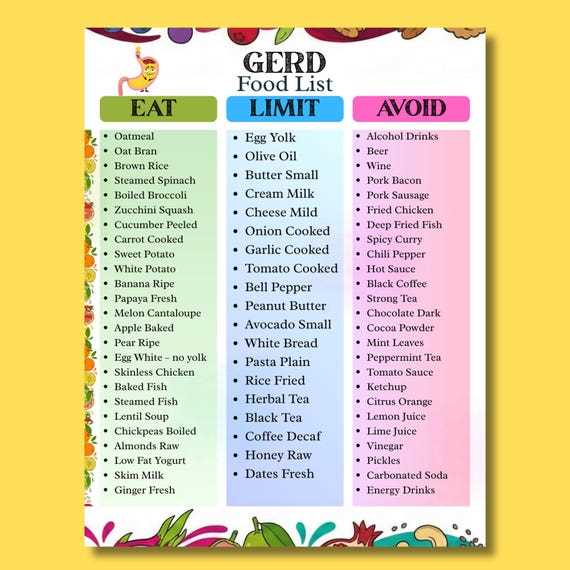
To reduce the discomfort from heartburn, focus on eliminating triggers and adding more soothing foods to your routine. A tailored meal plan can make a significant difference in managing symptoms effectively. Start by including foods that are easy on the stomach, such as oats, non-citrus fruits, and lean proteins like chicken and fish. These are less likely to irritate the lining of the esophagus, providing relief throughout the day.
Avoid greasy, spicy, or highly acidic foods, which are known to provoke heartburn. Tomatoes, chocolate, caffeine, and fatty foods should be limited. Instead, opt for low-fat dairy, leafy greens, and whole grains. These foods help maintain a balanced pH level and promote better digestion. Drinking water between meals also helps keep the digestive system functioning smoothly.
Preparing a meal plan that fits your lifestyle is key. Keep your portions moderate and try to eat smaller, more frequent meals. Eating large meals can increase pressure on the stomach, leading to discomfort. Scheduling meals at least three hours before bedtime can help prevent reflux symptoms during sleep.
How to Create a Meal Plan for Heartburn Relief
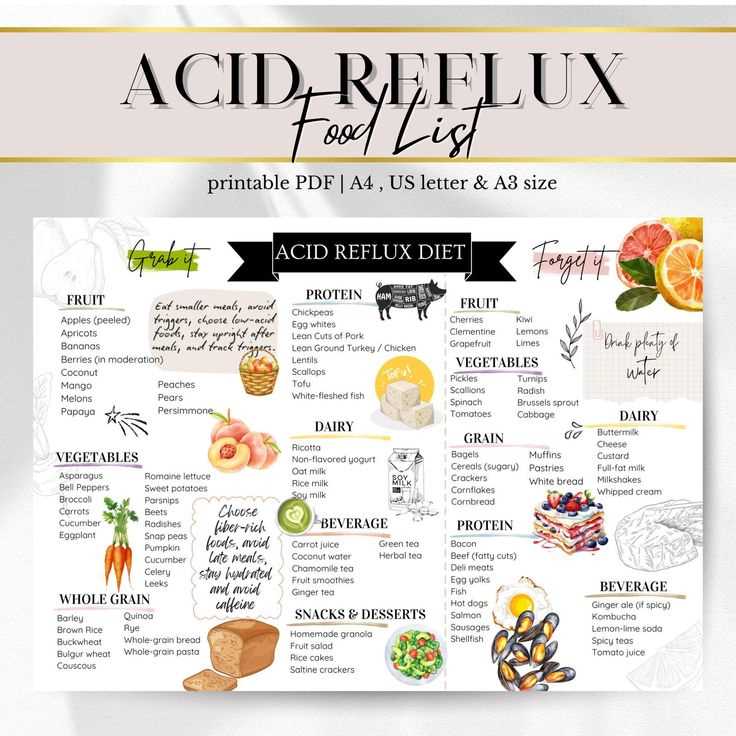
Start by selecting foods that are easy to digest and less likely to irritate your stomach. Focus on incorporating whole grains, non-citrus fruits, lean proteins, and vegetables. These ingredients are gentle on the digestive tract and help prevent discomfort. Some good options include oatmeal, bananas, apples, chicken breast, and leafy greens like spinach and kale.
Next, build a weekly menu around these foods. Keep meals balanced with appropriate portions of protein, carbohydrates, and vegetables. Try to include at least one serving of fruits or vegetables in each meal, and make sure to avoid high-fat or spicy foods. Planning a variety of meals will ensure you stay satisfied while sticking to your plan. You can also try cooking in a way that reduces fat content, such as steaming or grilling.
| Meal | Food Options | Preparation Tips |
|---|---|---|
| Breakfast | Oatmeal, bananas, non-fat yogurt | Cook oats with water or non-dairy milk, add banana slices and a dollop of yogurt. |
| Lunch | Grilled chicken, quinoa, steamed broccoli | Grill chicken without added oils, steam broccoli, serve with quinoa. |
| Dinner | Baked fish, sweet potatoes, steamed carrots | Bake fish with herbs, steam sweet potatoes and carrots. |
Lastly, create a printable version of your plan for easy reference. You can use a simple word processor or a spreadsheet to organize your meals by day of the week. Include a shopping list to make grocery trips more efficient. Having a physical copy will help keep you on track and reduce the temptation to reach for foods that trigger symptoms.
Best Foods to Include in Your Meal Plan for Heartburn Relief
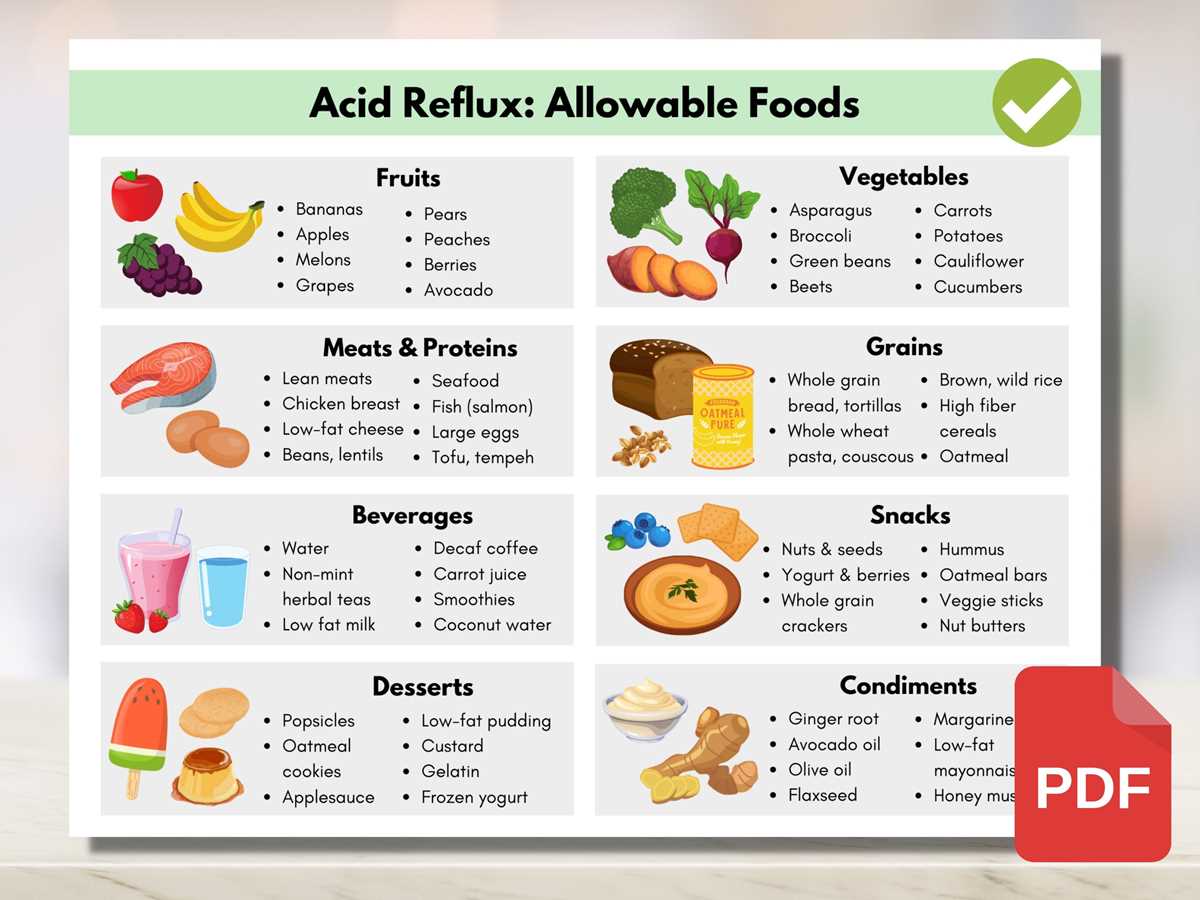
To support digestive health and minimize discomfort, include foods that are naturally soothing and easy on the stomach. Opt for whole grains, lean proteins, and non-acidic fruits and vegetables. Good choices are:
- Oatmeal
- Bananas
- Apples (non-citrus variety)
- Chicken breast or turkey
- Leafy greens like spinach, kale, and lettuce
- Sweet potatoes
- Rice and quinoa
Avoid high-fat and spicy items, which can trigger discomfort. Focusing on these easily digestible foods will help maintain a balanced pH level in the stomach, reducing the likelihood of irritation or burning sensations.
Tips for Sticking to Your Meal Plan for Heartburn Relief
Plan your meals ahead of time to avoid last-minute decisions that could lead to eating foods that trigger discomfort. Create a weekly menu and stick to it by shopping for ingredients in bulk. This reduces the temptation to grab something less healthy when hunger strikes.
Keep healthy snacks on hand, such as unsalted nuts, rice cakes, or non-acidic fruits. When cravings hit, you’ll be less likely to reach for something that could worsen your symptoms. Having alternatives ready will make it easier to stay on track.
Try preparing meals in advance. Batch cooking and storing meals in the fridge or freezer allows you to quickly heat up a healthy option when you’re pressed for time. This ensures you’re always prepared, reducing the chances of skipping meals or opting for unhealthy foods.
Drink plenty of water throughout the day to stay hydrated. Avoid sugary drinks and caffeine, which can irritate your digestive system. Water helps flush out toxins and keeps the digestive process running smoothly.
Eat smaller, more frequent meals to avoid overloading your stomach. Large meals can lead to increased pressure on the digestive system, which may cause discomfort. Aim for five or six smaller meals instead of three large ones.
Be mindful of your portion sizes, especially with high-protein or starchy foods. Even healthy options can lead to digestive issues if consumed in large amounts. Use smaller plates to help control your portions.
Stay consistent and patient. It may take a few weeks to notice significant improvements, so stick with your plan. Tracking your symptoms in a journal can help you see progress and adjust the plan as needed to suit your body’s needs.