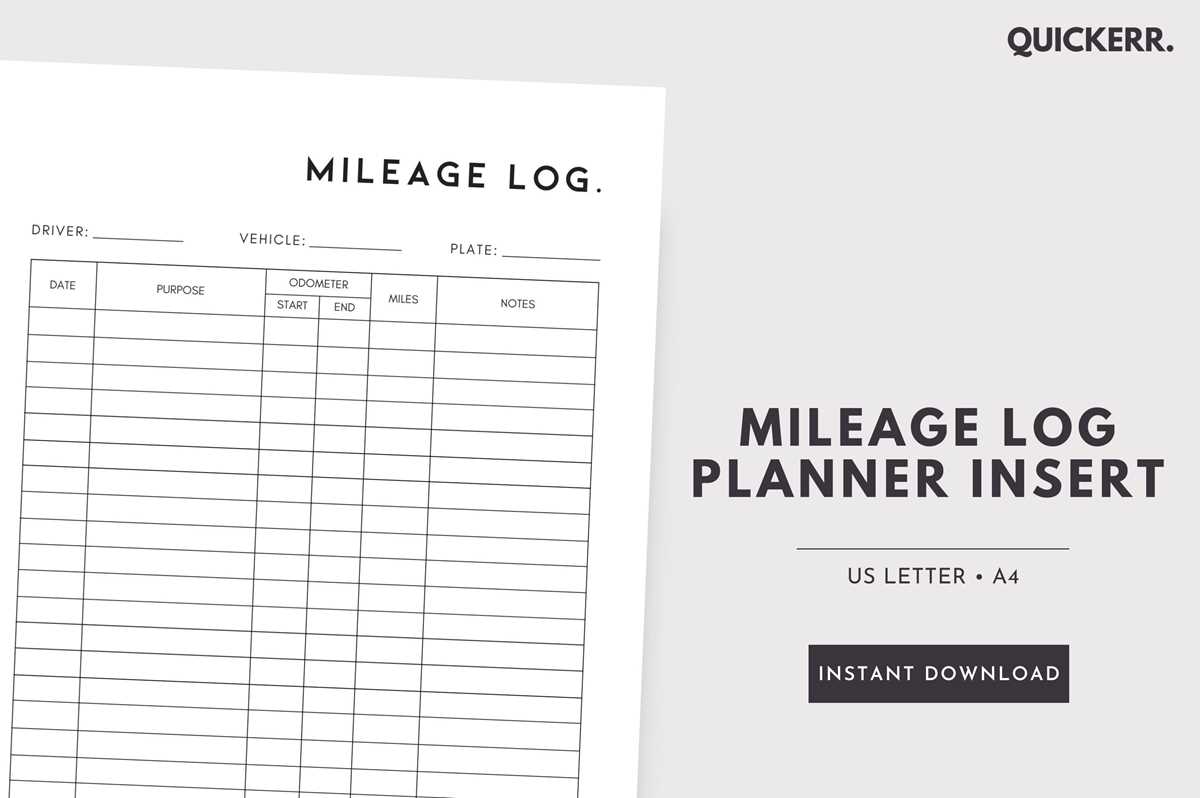
Start using a paper-based system to record your driving distances and trips for accurate personal or business records. A well-organized log will help you track fuel usage, tax deductions, and reimbursement claims with ease.
Choose a template with clear columns for date, trip purpose, starting and ending odometer readings, and total distance. This will allow you to capture all the important details without unnecessary complexity.
Once you’ve chosen a format, fill in the entries daily or weekly. Keep the document easily accessible in your car or at your workspace. Regular updates will ensure you never miss any trips, making your records reliable and up-to-date.
How to Use a Paper-Based Travel Log for Tracking Distances
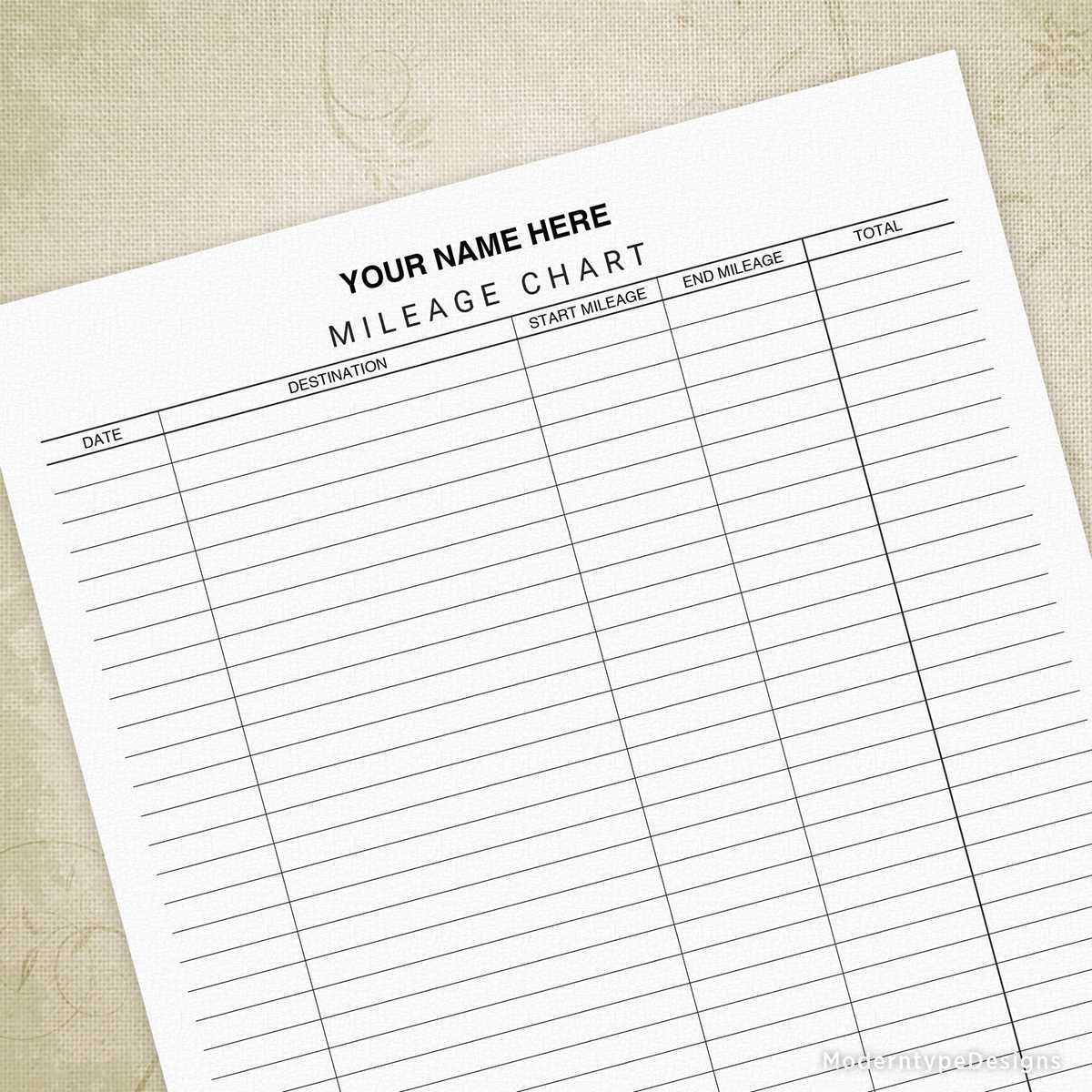
For accurate record-keeping, use a paper log sheet with predefined columns for entry. Include sections for the date, trip purpose, starting and ending odometer readings, and total kilometers. This structure simplifies data entry and keeps your records organized.
It’s best to update your log regularly, ideally at the end of each day or after every trip. This way, you’ll avoid errors from memory lapses. The more consistently you record your distances, the more reliable your information will be for tax purposes or expense claims.
When choosing a template, make sure it’s tailored to your specific needs. If you only need a basic format, a simple list with just odometer readings and dates will suffice. For more detailed tracking, you can add categories such as the purpose of each trip or the vehicle used.
If you drive multiple vehicles, consider using separate forms or adding a vehicle identifier column. This will keep your records clear and prevent confusion when reviewing or submitting your logs for tax deductions or reimbursement claims.
Ensure your logbook is kept in a secure and easily accessible place, such as your car’s glove compartment or a dedicated folder on your desk. Having it on hand reduces the chances of forgetting to write down a trip and increases the accuracy of your data.
Don’t forget to keep backup copies of your forms. If you’re working with physical documents, scan or photograph your logs periodically. In the event of a misplaced form, you’ll have a backup available to ensure no trip is left unrecorded.
If you’re tracking business-related travel, organize the logs by month or quarter for easier reporting. This will simplify tax season or any financial reporting related to travel expenses.
For longer-term storage, consider keeping your filled forms in a binder or digital archive once they are complete. This will help preserve your records for future reference, particularly when you need to verify past trips or fuel expenses.
How to Choose the Best Mileage Log for Your Needs
To find the right log for tracking your travel distances, focus on simplicity and structure. Choose a format that includes key details like the date, purpose of the trip, start and end odometer readings, and total kilometers. If you need more specific information, look for a template with additional columns such as vehicle type or fuel costs.
Consider your usage frequency and storage preferences. If you drive often, a more detailed form might be useful to keep precise records for tax deductions or reimbursements. For occasional use, a minimalist design with just the basics may suffice. Always pick a layout that suits how you plan to maintain and access your records, whether digitally or on paper.