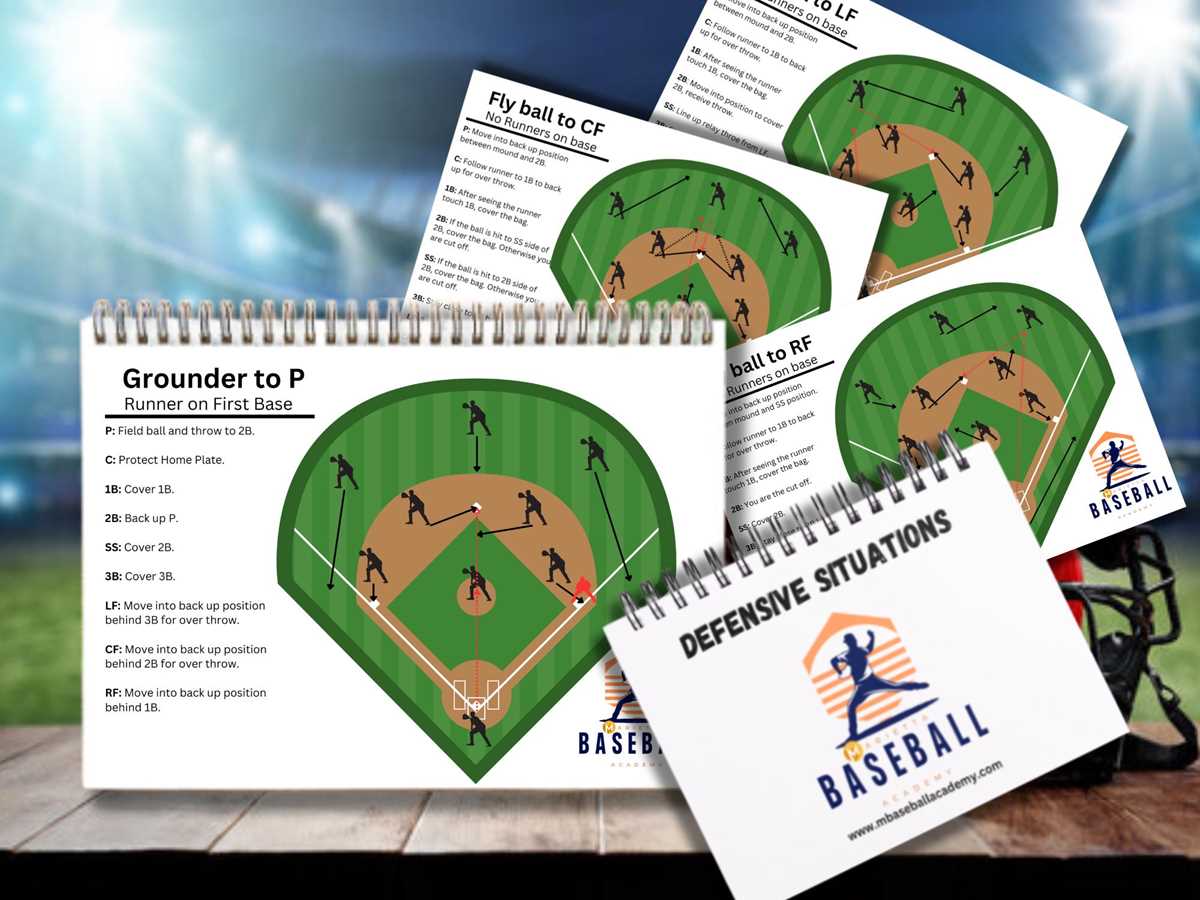
For better understanding of team placements, use clear visual guides that show how players should position themselves in various scenarios. These visuals will help players anticipate the next move and improve their overall coordination during a game.
Choose a layout that outlines key situations, such as when there’s a runner on base or with no outs. By using simple and easy-to-read charts, you can communicate the ideal movement for each player, making strategy more accessible and actionable.
Once you’ve chosen your design, print multiple copies for your team. This way, every player has a reference to consult before, during, and after practices or games. When everyone understands their role visually, it builds confidence and teamwork across the field.
Understanding and Using Defensive Strategy Visuals
Use clear field positioning visuals to show players where they should be in different game situations. Whether it’s showing a double play setup or the positioning for a fly ball with a runner on third, these visual aids help players understand their exact roles during the game. Keeping the design simple and straightforward makes it easier to follow, especially for younger players or those new to the sport.
When creating your field charts, focus on including the most common and critical game scenarios. Positioning for a bunt defense, a force out at second, or a cut-off for a long throw can all be crucial in the game. Provide diagrams that show the movement of each player, along with arrows or color-coded zones to highlight areas of responsibility.
Ensure that each diagram is specific to the situation at hand. For example, in a two-out, bases loaded situation, illustrate the best positioning for each player, including how they react to different types of hits. Players can then practice these scenarios by referring to the visuals to improve their decision-making on the field.
Distribute these visuals regularly at practice so players can familiarize themselves with various positions. You can laminate the charts for durability or even put them on the dugout wall for easy reference during games. Having these visuals available will encourage better positioning, faster reactions, and smarter defensive plays during critical moments.
How to Use Defensive Diagrams to Improve Team Positioning
Start by reviewing key game scenarios where player positioning is critical, such as with runners on base or during high-pressure moments like a full count. Use visual aids that clearly indicate where each player should be at any given time. Focus on positioning for specific situations like ground balls, pop-ups, and cut-off plays, ensuring that players can easily refer to these visuals when needed.
Next, integrate these visuals into your practice sessions. Set up drills that mirror real-game situations, and use the charts to guide players through proper positioning. For example, use a diagram to explain where outfielders should be positioned when there is a runner on second and one out. As players become familiar with these positions, they’ll develop muscle memory and instinctively know where to go during the game.
Make sure to review these visuals regularly with your team. Display the charts in the locker room or dugout so players can quickly reference them before games or during breaks. The more players can visualize and internalize the correct positioning, the more fluid their movements will be on the field.
Incorporate feedback during practices. After running through drills, gather the team and discuss any positioning errors. Use the diagrams to pinpoint where players may have strayed from the correct spot and clarify any misunderstandings. This practice helps solidify team communication and ensures everyone knows their exact role during critical plays.
In addition to game-specific positioning, use these visual tools to teach players about the timing of movements. It’s not just about being in the right spot; it’s about getting there at the right time. For example, when practicing a double play, show how the infielders should adjust their positioning depending on the runner’s speed and the type of pitch. Timing is crucial in executing perfect defensive plays.
Finally, rotate through different diagrams to cover a wide range of situations, such as positioning with two outs, how to set up for a bunt, or what to do when an outfielder is backing up a throw. This variety will ensure that your team is well-prepared for any scenario and can respond swiftly to anything that comes their way during the game.