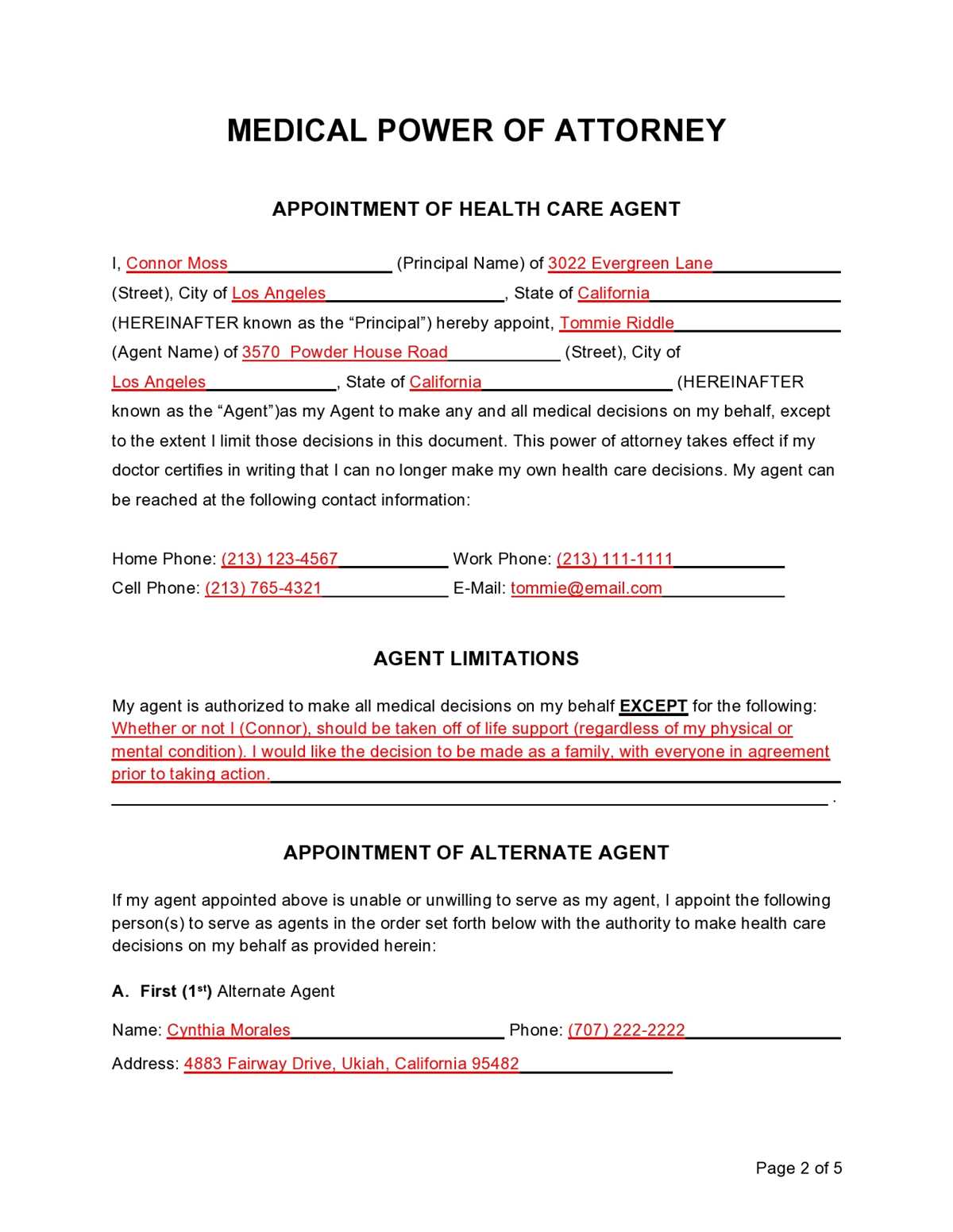
If you are considering assigning someone to make health-related decisions on your behalf, it is important to understand how to create and manage the necessary legal documents. A designated individual can ensure that your medical preferences are followed if you are unable to communicate them yourself. This guide will walk you through the steps of drafting, signing, and maintaining a legally binding healthcare directive.

Before you proceed, it is crucial to determine who will be your designated representative, also known as the agent, and what decisions they are authorized to make. Considerations should include end-of-life care, emergency medical interventions, and general medical treatments. Once a trusted individual is chosen, the next step is to prepare the document properly to ensure its acceptance in any healthcare situation.
The following instructions cover how to complete the required form, the key components you need to include, and tips for ensuring that your instructions are legally recognized. This process is straightforward and can be done at home or with the assistance of an attorney. It is also necessary to review and possibly notarize the document to confirm its validity in medical settings.
Creating a Legal Healthcare Directive
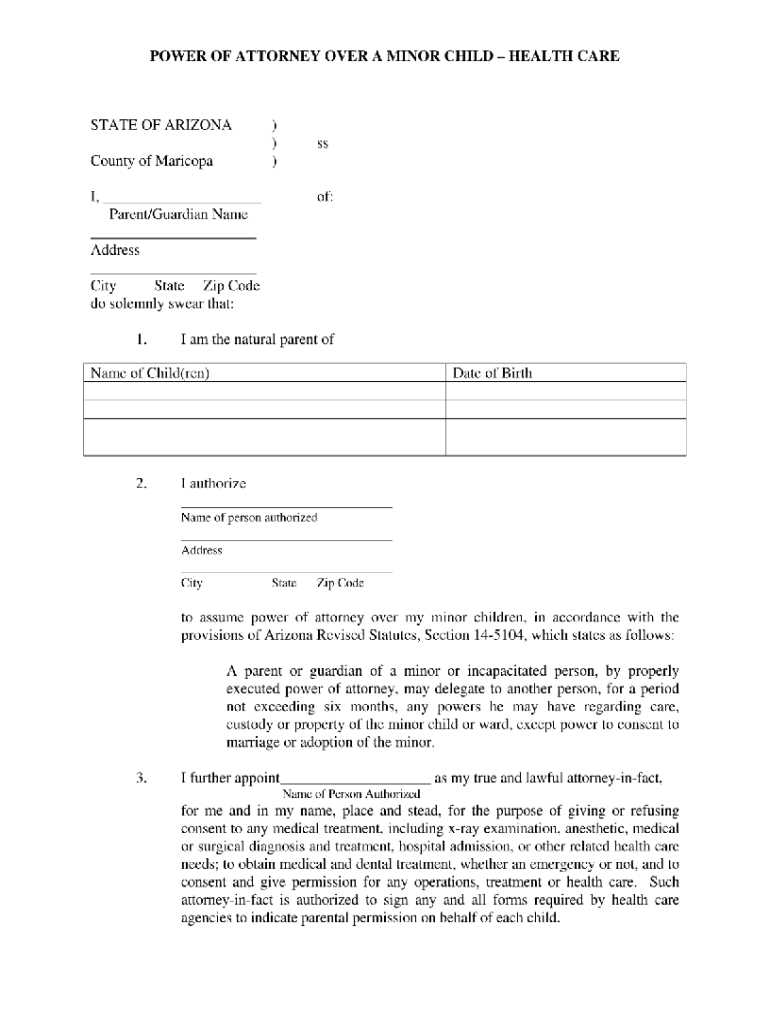
If you’re considering assigning someone to make healthcare decisions for you in case you are unable to do so, creating a legally binding document is crucial. This directive should clearly define the person who will make medical decisions on your behalf and outline the types of decisions they can make. Make sure to choose a trustworthy individual who understands your values and preferences.
Start by selecting the right individual, often referred to as a healthcare proxy. This person will be responsible for ensuring your medical needs are met, especially in critical situations. You should discuss your medical wishes with them beforehand to make sure they are prepared to make these decisions on your behalf.
The next step involves drafting the document itself. Many states provide templates or forms that can be filled out, but it’s important to ensure these forms are compliant with your local laws. These documents typically require signatures and sometimes notarization to be considered valid in legal contexts.
After you have drafted the directive, review it carefully to ensure all the necessary details are included. The document should specify the types of decisions the proxy can make, including life-sustaining treatments, organ donation preferences, and other key aspects of healthcare that might arise during a medical emergency.
It’s highly recommended to keep a copy of the directive in a secure but accessible location, such as with your primary care physician, hospital, or family members. This ensures that your designated proxy can easily access the document when needed.
While the form can typically be filled out on your own, consulting with a legal expert can help ensure the document is properly structured and legally enforceable. They can provide guidance on the specific requirements needed for your state or jurisdiction.
Many people also choose to update their directives periodically, especially if their health situation or preferences change. Keep your document up to date by reviewing it at least once a year or whenever a major life change occurs, such as getting married or diagnosed with a serious illness.
Finally, don’t forget to discuss your wishes with your family. This ensures everyone is aware of your preferences and helps prevent any misunderstandings during stressful situations. By taking these steps, you can make sure that your healthcare decisions are respected and carried out according to your wishes in the event you can no longer express them yourself.
How to Fill Out a Healthcare Decision-Making Form
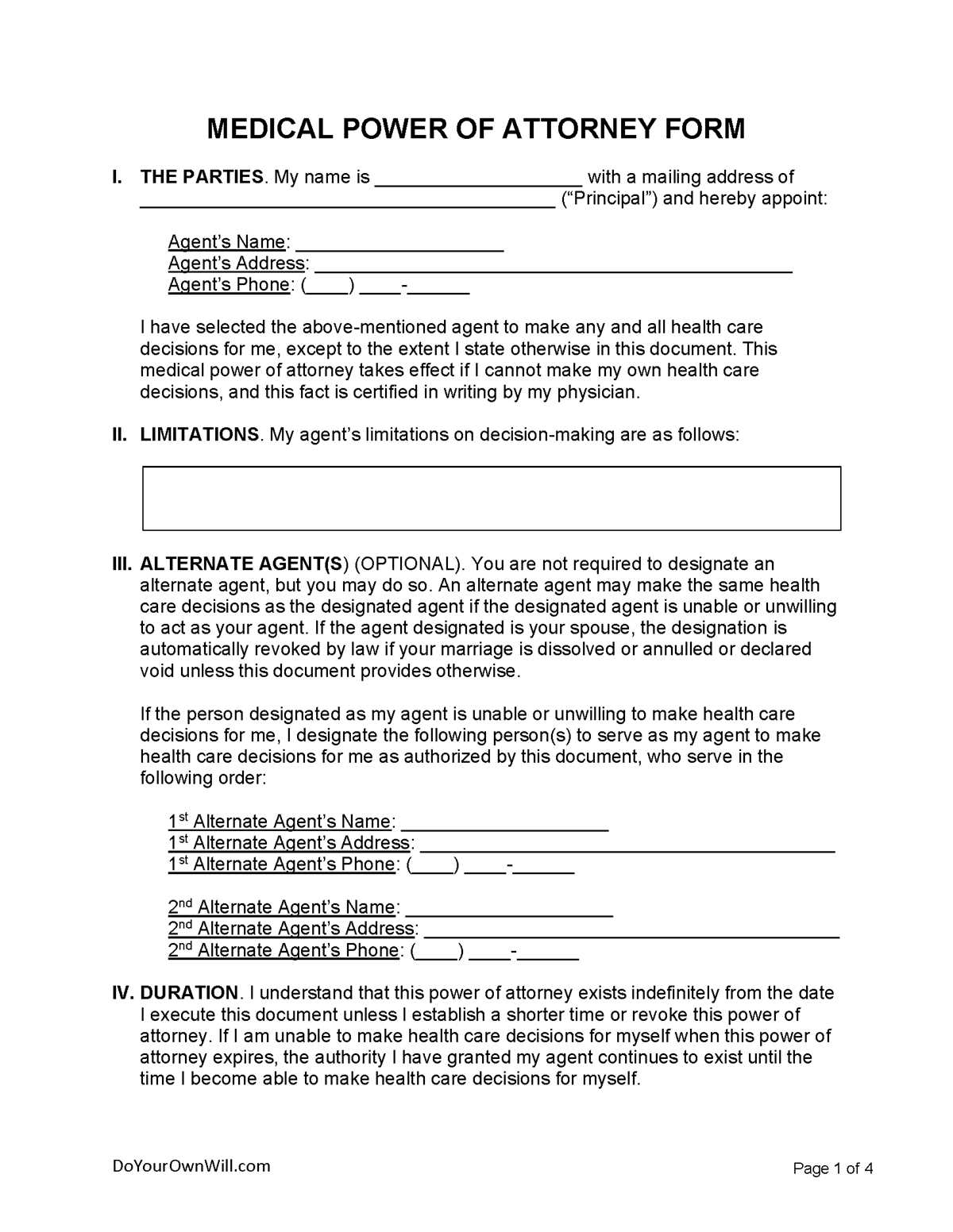
To complete a healthcare decision-making document, start by carefully identifying the individual you wish to assign as your representative. This person should be someone you trust to act in your best interest when making medical decisions on your behalf. Provide their full name, contact information, and relationship to you. Then, indicate the types of medical choices they will be authorized to make, such as whether they can consent to life-saving treatments or refuse them on your behalf.
Next, ensure that the document includes specific instructions about your healthcare preferences, such as organ donation, use of life support, or any specific treatments you would or would not want. Once all sections are filled out, sign the form in the presence of a witness or notary, depending on the requirements in your area. Keep copies of the form accessible and inform key family members about its existence and contents for clarity during critical moments.