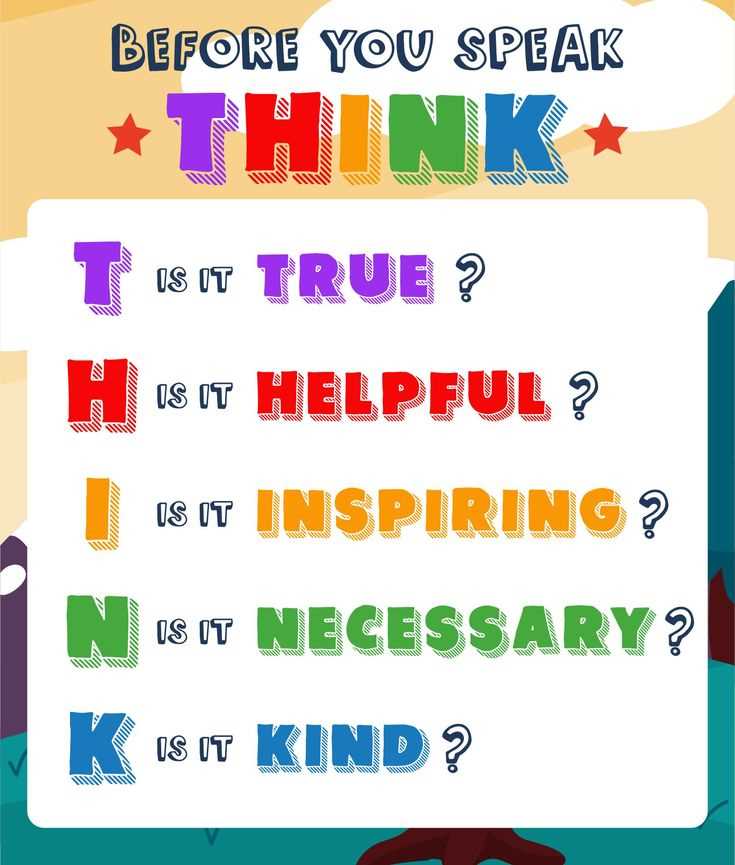
Start by selecting vibrant designs that align with the topic you’re teaching. Whether you’re focusing on grammar, math, or science, visual materials like charts and diagrams can bring concepts to life. Opt for bold, easy-to-read fonts and clear graphics that help reinforce learning points at a glance. Bright colors can draw attention, but be mindful to avoid overwhelming students with too much detail.
When printing these visuals, choose high-quality paper that’s durable enough to handle frequent display and interaction. Standard letter-size or larger formats work best, as they can be seen from a distance and make a statement in any room. Once printed, laminating the material ensures it lasts longer, especially in a classroom setting where items are handled regularly.
To create an engaging and organized environment, hang these items where students can easily reference them. Position them near learning areas or above workstations to help reinforce the material. These displays don’t just serve as decor–they also act as helpful reminders during lessons and independent study sessions.
Printable Educational Posters Guide
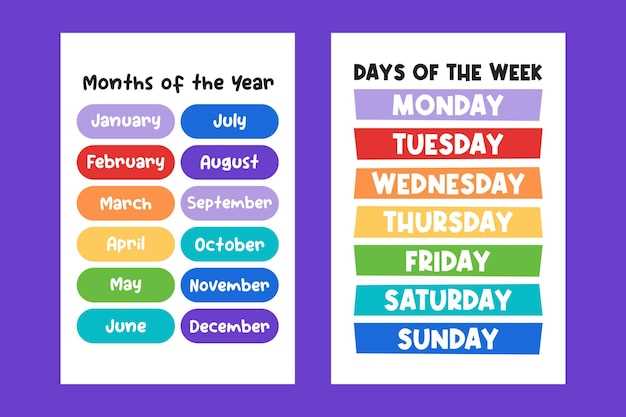
Choose high-quality paper with a weight of at least 200 gsm for durability, especially if you plan on using the designs frequently. This ensures that the prints remain intact and won’t easily tear or fade. For larger designs, consider using a professional printing service to ensure clarity and color accuracy.
When selecting visuals, always keep your audience in mind. For younger children, opt for playful and colorful designs, such as animal charts or alphabet visuals, while older students may benefit from more detailed and straightforward charts, like math formulas or historical timelines. The design should be engaging without overwhelming the viewer.
Decide on the format that best suits your space. Larger designs work well for wall displays in classrooms, while smaller versions can be printed as handouts or placed in student folders for quick reference. Choose a size that balances readability and space usage without overcrowding the area.
For extra durability and a polished look, laminate your designs. This is especially helpful if you’re placing them in areas with high foot traffic or where students will interact with them often. Laminating also allows you to use dry-erase markers for interactive learning sessions, which is ideal for activities like quizzes or note-taking.
Organize the visuals strategically within the learning environment. Place them in locations where students can easily refer to them during lessons, such as above their desks or near study areas. They should be easily visible but not distracting from the main focus of the lesson.
Consider mixing visual elements to create a dynamic learning environment. Combine different types of materials like word charts, number charts, and interactive activities like puzzles or matching games. This keeps the content fresh and diverse, engaging students in various ways and catering to different learning styles.
Lastly, rotate and update the visuals regularly to keep the environment stimulating. Changing the designs based on the topics being taught or seasonal themes helps maintain interest and excitement in the classroom. It also allows for the integration of new concepts or knowledge as the curriculum progresses.
How to Choose the Right Visuals for Your Classroom
First, assess the age and skill level of your students. For younger children, choose bold and colorful designs with large fonts and simple images, such as shapes, animals, or basic words. Older students may benefit from more complex designs, such as detailed charts, historical timelines, or scientific diagrams. Make sure the style matches the tone of the subject being taught, whether playful or more formal.
Next, consider the space where the materials will be displayed. If you have limited wall space, opt for smaller visuals that can be grouped together or placed in strategic locations like above desks or near study areas. If you have a larger wall, consider bigger, more impactful pieces that can be seen from a distance. Be mindful of color schemes to ensure that the designs complement the room without becoming overwhelming.