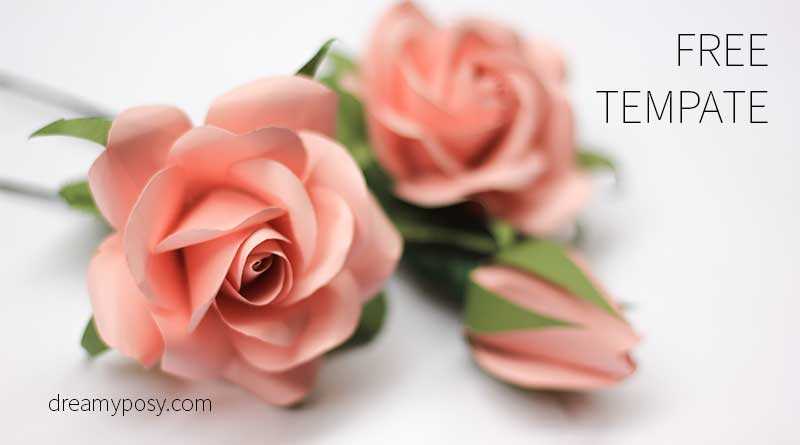
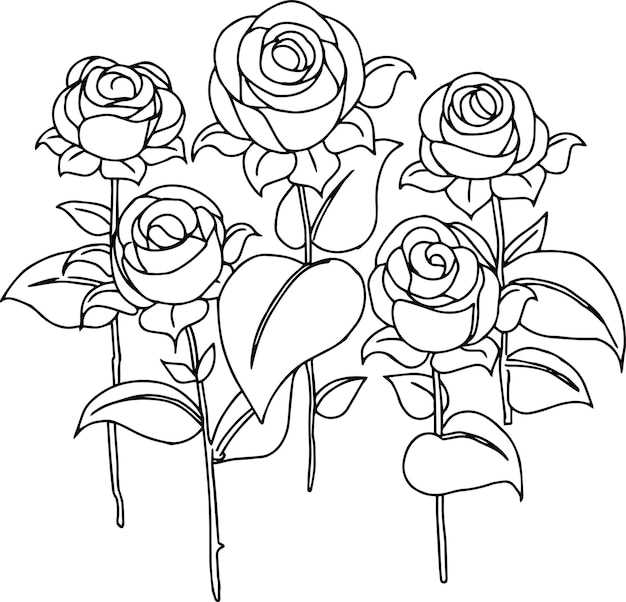
If you want to create stunning decorative pieces, start by downloading a detailed floral design from trusted sources. These outlines can be printed on various types of paper, from standard printer paper to heavier cardstock, depending on the project’s requirements. For best results, ensure your printer settings match the paper type to avoid misprints and waste.
After printing, cut out the design carefully using sharp scissors or a craft knife. If you’re working with children or beginners, opt for pre-cut options, which simplify the process. For added flair, use colored paper or embellishments like glitter or rhinestones to make the design stand out. Using colored markers or paint can enhance the detail, especially for intricate petal shapes and smaller accents.
Consider resizing the design to suit different purposes. For example, a smaller version works well for card making, while larger prints can be used for wall art or as part of a more complex decorative arrangement. If you plan to use the design for multiple items, scanning the outline and creating a digital version may be a good option for easy reproduction without compromising quality.
To avoid mistakes, ensure that you follow the outline’s edges closely when cutting and assembling. Practice first on scrap paper before committing to your final material. With the right approach, this simple yet elegant craft can be turned into a stunning centerpiece for any occasion.
Using Floral Design Outlines for Various Craft Projects
When working with floral outlines, start by choosing a suitable material for printing. If you want durability, select thick cardstock or specialty paper that can handle the added weight of embellishments such as glitter, fabric, or beads. For simpler crafts, a lighter paper stock works well, especially for smaller decorations like gift tags or scrapbooking elements.
Once the outline is printed, take time to carefully cut along the edges to avoid jagged lines. Use sharp scissors or a precision cutter for more intricate parts of the design. If you’re unsure about your cutting technique, practice first on a scrap piece of paper to ensure the final piece will look neat and polished.
If you plan to create multiple copies of the same design, consider using a scanner to create a digital version. This allows you to resize the image or make adjustments without the need for printing each time. This method is especially useful for large projects like wall decor or crafting large floral arrangements.
Consider layering elements for a 3D effect. After cutting out the basic shape, you can fold the edges or use foam adhesive to add dimension. This adds depth to your craft and makes the design pop, especially when displayed on cards or framed art pieces.
- For a simple look, keep the edges flat and smooth.
- For a more textured effect, curl or fold the edges of the petals.
- For a rustic appearance, use a distressed or vintage paper finish.
Using colored pens, markers, or watercolor paints can also add another layer of detail. You can shade the edges of each petal to create a natural gradient effect, or experiment with various color combinations to match your theme. Be mindful of drying times when using wet media, and make sure the colors don’t smudge when handling the piece.
When working on small crafts like bookmarks or greeting cards, try incorporating additional design elements, such as ribbons, buttons, or textured paper. These small additions can elevate the overall look and make each piece feel more personalized.
Remember to take care in storing your printed designs if you’re working on a long-term project. Keeping them in a folder or flat container will help maintain their shape and prevent any accidental tears or bends. If you’re using them for professional crafts or selling, a quality finish is key to presenting your work in the best light.
How to Print and Use a Floral Design for Crafts
Begin by selecting the right type of paper for your project. For detailed designs, a heavier cardstock will provide durability and prevent bending, especially if you’re adding embellishments like glitter or fabric. If you’re making smaller items like bookmarks or tags, a lighter weight paper will suffice. Adjust your printer settings to match the paper thickness, ensuring that the design prints clearly without any misalignment.
Once printed, use sharp scissors or a craft knife to carefully cut around the design. For cleaner edges, consider using a cutting mat and a precision blade. After cutting, you can add layers for dimension or decorate the edges with colored pens or markers. This adds texture and depth to your craft, making the design stand out more effectively. To avoid mistakes, practice cutting on scrap paper first and measure your printouts before starting your project.
Best Paper Types for Printing Floral Designs
If you want a sturdy finish for your project, use a heavyweight cardstock. This type of paper is ideal for creating durable pieces like greeting cards or decorations that need to withstand handling. It also works well with various crafting tools such as embossing or adding adhesive decorations. Choose a weight between 200 to 250 gsm for optimal results.
For lighter, more delicate projects, such as scrapbooking or gift tags, opt for a medium-weight paper. A paper between 160 to 180 gsm will give you flexibility without being too flimsy. This thickness ensures crisp prints while making it easier to handle and cut, especially for small or intricate designs.
If you’re looking for a more textured finish, consider using textured paper like linen or felt. These types add a unique tactile element to your creation, giving it an elegant, handmade appearance. Just make sure your printer can handle textured sheets without causing jams, as thicker, more textured papers may not feed properly in all printers.
Step-by-Step Guide to Creating a Floral Paper Craft
Start by selecting your desired design and printing it on the appropriate paper type. If you’re using a thicker cardstock, make sure your printer can handle the weight to avoid paper jams. Once printed, carefully cut along the edges of the design with sharp scissors or a craft knife. For intricate areas, a precision blade is recommended to ensure clean cuts. If needed, you can use a light pencil to outline the shape before cutting to improve accuracy.
After cutting out the shape, it’s time to assemble the pieces. Use a glue stick or hot glue gun to secure the layers if you are creating a 3D effect. To add dimension, lift the edges of the petals or leaves slightly. If you prefer a flat design, simply attach the pieces directly to your base, such as a card or wall decor. Below is a table showing different sizes of floral cutouts and the materials they best suit for crafting.
| Size of Cutout | Best Paper Type | Recommended Use |
|---|---|---|
| Small | Medium-weight paper (160-180 gsm) | Scrapbooking, bookmarks, greeting cards |
| Medium | Heavy cardstock (200-250 gsm) | Gift tags, decorative accents, centerpieces |
| Large | Textured paper or foam board | Wall decor, large embellishments |
Customizing Your Floral Design for Different Projects
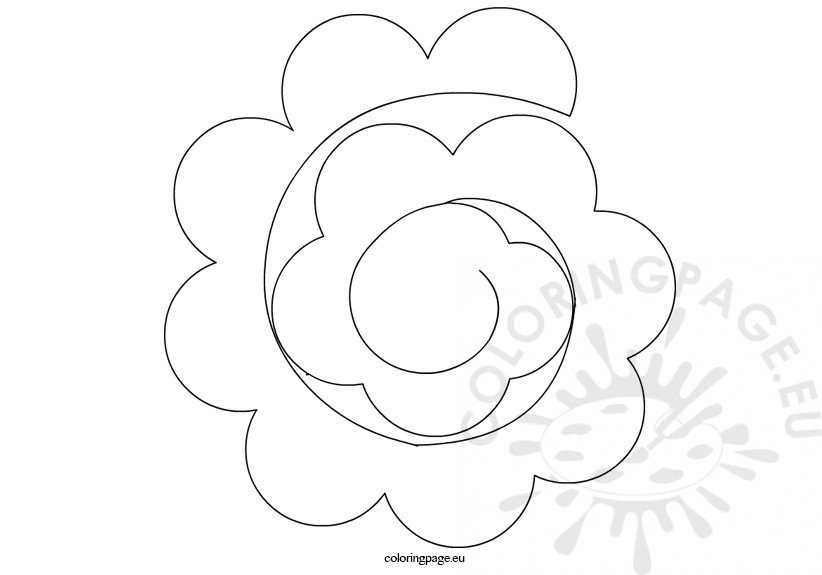
To customize your printed floral outline, begin by resizing it according to your project’s needs. For smaller items like tags or cards, reduce the size to fit the design neatly within the space. On the other hand, for large decor pieces or centerpieces, increase the size to fill the space proportionally, ensuring that the design remains visually appealing and balanced.
If you want to add texture to your design, experiment with different types of paper. For a more natural look, use a linen or textured paper that adds depth. You can also use patterned or colored paper for the petals to create contrast. Adding these textures will make the design stand out and feel more authentic, particularly for projects like wreaths or decorative accents.
For multi-layered designs, cut each section separately and assemble them with foam tape or glue to add dimension. This technique works well for creating a 3D effect, giving the design a realistic appearance. Adjust the number of layers based on the project size and desired depth, such as for scrapbook pages or gift packaging.
Another way to personalize your craft is by incorporating additional elements like beads, sequins, or small ribbons. These can be glued to the center of the design for a detailed finish or used to frame the edges for added elegance. This is particularly effective when creating custom gifts, party decorations, or personalized cards for special occasions.