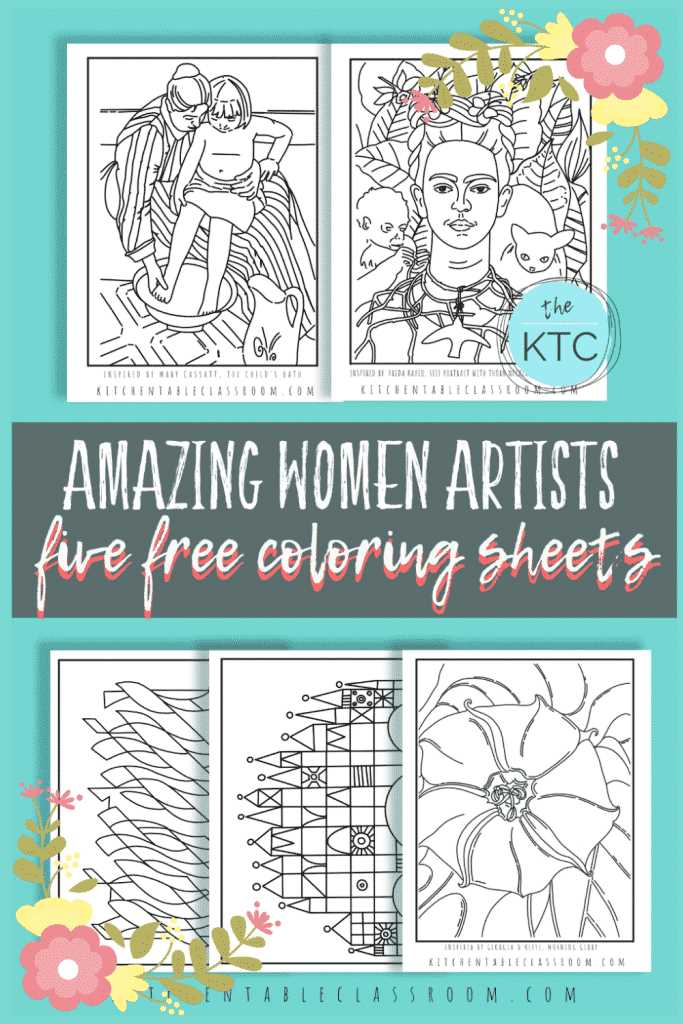
If you’re looking for an easy and affordable way to refresh your space, consider printing your own wall decorations. With a few simple tools, you can transform any image into a custom piece of decor. Start by selecting a high-quality image or design that suits your style and the atmosphere you want to create in the room. Many websites offer downloadable designs that can be printed directly onto standard paper or canvas.
Choosing the Right Paper is key to making your printed image look professional. For a polished finish, opt for heavier paper such as cardstock or photo paper, especially for detailed designs. If you want to create a more textured look, consider using canvas or linen paper, which will give your print a unique, artistic feel. Make sure to adjust your printer settings to match the paper type to get the best results.
Adjusting the Size of your image is another crucial step. Most printers can handle standard sizes like 8.5×11 inches, but if you want something larger, like a poster, you’ll need to use a printer with a larger paper tray or get your design printed at a local print shop. You can also resize your image using editing software to ensure it fits perfectly in your desired frame.
Don’t forget to experiment with different framing options to complement your new design. Whether you choose a simple frame for a clean, modern look or a more ornate frame for a vintage touch, the frame will enhance the final presentation. You can even choose to leave the print unframed for a more casual style, depending on your decor preferences.
Creative Ideas for Customizing Your Designs
One way to enhance your printed visuals is by experimenting with color schemes. By adjusting the hues or adding filters to your files, you can create an entirely new look without needing to hire a designer. For example, use editing software to tweak the contrast, saturation, or brightness to match your room’s theme or your personal style. Another option is adding textures to your designs to give them more depth, such as applying a watercolor or grunge effect.
Consider incorporating different materials to add a tactile element to your creations. You can print on a variety of surfaces like wood, fabric, or even metal sheets to change the texture and feel of the final result. For a more artistic touch, try experimenting with mixed media–combine a printed image with hand-painted details or embellishments. These techniques can give your display a one-of-a-kind, personal flair that goes beyond a simple print.
Choosing the Right Paper for Your Printable Art Projects
Selecting the proper paper is one of the most important steps in ensuring the quality of your finished piece. For high-quality, vibrant prints, opt for a heavier weight paper such as cardstock or photo paper. These options are thicker and provide better color depth and detail, making them ideal for designs with rich hues or intricate lines. Paper weight is usually measured in gsm (grams per square meter), with anything over 200 gsm being suitable for high-end results.
If you are looking for a more textured finish, watercolor paper or linen-textured paper can give your designs an artistic feel. The texture adds depth and interest, especially for minimalist or abstract designs. Another option is using matte paper, which reduces glare and offers a soft, non-reflective finish, ideal for photographs or images that will be displayed in natural light.
For large-scale prints, it’s best to use paper that can withstand a larger printer feed, such as poster paper or even fabric sheets. These materials are available in larger formats and ensure that the print doesn’t get distorted or wrinkled when printed at a larger size. Consider checking if your printer is compatible with these materials before making a purchase.
How to Use Digital Art for Printables
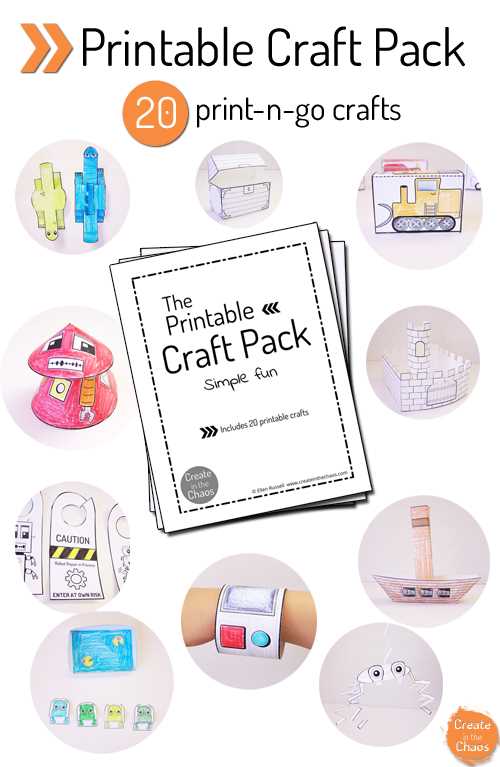
Begin by selecting a high-resolution file. To ensure a crisp and clear output, use images that are at least 300 DPI (dots per inch). Lower resolutions, such as 72 DPI, may appear pixelated when printed, especially in larger sizes. A higher resolution will give your designs a sharper, more polished look, ideal for wall decor or detailed illustrations.
After selecting the design, resize the image to match the intended print dimensions. Most editing software allows you to adjust the size of your file without losing quality, but be sure to maintain the aspect ratio to avoid distortion. Common print sizes include 8×10 inches, 11×14 inches, and 16×20 inches. For larger prints, such as posters, make sure your file can handle the increase in size while maintaining clarity.
Next, choose the appropriate file format. For high-quality results, save your design as a PNG or TIFF file, as these formats retain the detail and transparency needed for clean, professional-looking prints. JPEG files can be used for smaller, less detailed prints, but they may lose quality after multiple edits.
If your design includes multiple elements, such as text or layered graphics, check the alignment and proportions before printing. Use gridlines in your editing software to ensure that everything is positioned correctly. Pay close attention to the margins to prevent important parts of the image from being cut off during the printing process.
Consider adding texturing effects or overlays to enhance your design. Many programs offer built-in textures, such as canvas, watercolor, or grainy effects, that can add depth to digital files. You can also layer patterns or adjust opacity to create a unique finish without needing additional materials.
Before committing to a final print, always test print on regular paper to check for color accuracy and alignment. Print a smaller version of your design and assess how it looks with your chosen paper. This can save you from wasting expensive materials or ending up with unsatisfactory results.
Lastly, ensure that your printer settings are correctly configured. Use the highest print quality setting available on your device and select the correct paper type in your printer options. This will ensure that your design prints with the best color reproduction and sharpness possible.
Step-by-Step Guide to Printing Your Artwork at Home
Start by choosing the right paper for your design. Select a heavier, high-quality option like photo paper, cardstock, or textured paper, depending on the style of your image. Paper weight is important; opt for at least 200 gsm for the best results. For example, if you are printing a photograph, photo paper will provide richer colors and more vivid detail compared to regular office paper.
Next, configure your printer settings. Ensure that the printer is set to the highest quality print mode. In your printer’s settings menu, select the “high quality” or “best” option to avoid any pixelation. Additionally, make sure to choose the correct paper type to match the material you’re using. This will help optimize ink distribution for better color accuracy.
Before printing the full-size version, perform a test print. This will allow you to check the alignment, color accuracy, and overall appearance. Print a smaller version of your file on a regular piece of paper to check for any issues before using more expensive materials. If needed, adjust the margins and the image size accordingly. A test run will save time and money in case the settings are not optimal.
Once you’re satisfied with the test print, proceed with the final print. Make sure the print settings match the paper size, and load the material into your printer carefully. For large prints, consider checking the layout in editing software to ensure it fits properly on the page. After printing, let the design dry completely before handling or framing.
Creative Ideas for Customizing Printable Designs
Experiment with different color palettes to transform your image. You can adjust the hue, saturation, or apply color filters to create a completely new vibe. For a modern look, try muted tones or monochromatic schemes. Alternatively, for a retro or vintage feel, experiment with sepia or pastel shades. This small change can drastically alter the mood of your piece and make it more personal.
Incorporate hand-drawn elements by printing a design and adding your own artistic touches. Use markers, pens, or watercolor paints to add extra detail or texture. You can emphasize certain areas, add doodles, or even mix in some embellishments like glitter or fabric patches for a unique and layered effect. Combining digital and traditional mediums creates a one-of-a-kind result.