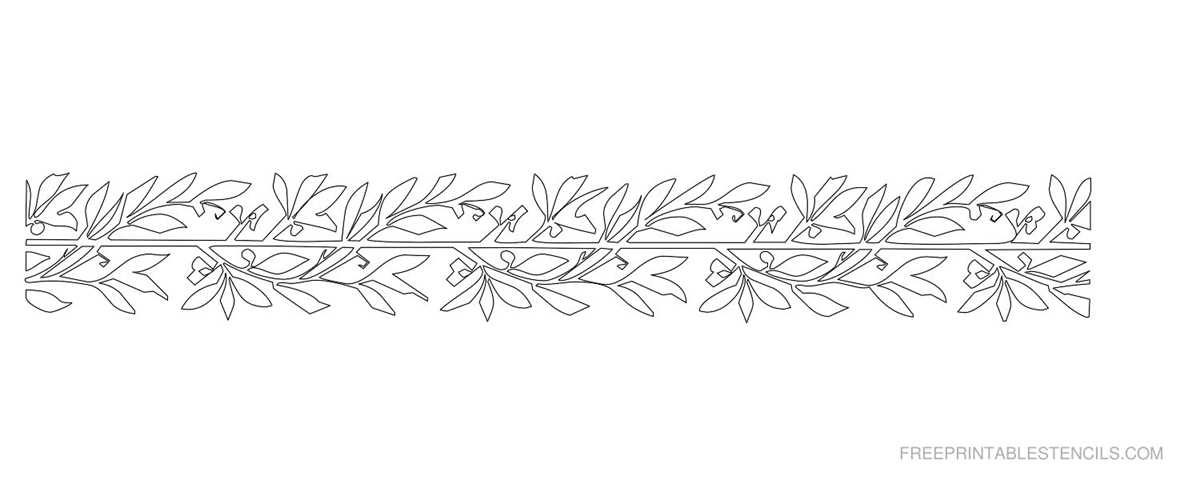
If you’re looking to add intricate designs to your next craft project, using decorative patterns is a great way to enhance your work. These designs can be used in a variety of ways, from adding detail to handmade cards to decorating home decor pieces like vases or picture frames. All you need is a good design and the right materials to bring it to life.
Start by selecting a design that matches your project’s theme. Many templates offer a range of floral patterns, from simple outlines to more detailed illustrations, giving you the freedom to choose the right complexity for your skill level. Once you’ve picked your design, printing it on quality paper will ensure that your finished product looks clean and professional.
For best results, make sure you have the right tools for cutting, tracing, or transferring the design. Depending on the medium you’re working with, whether it’s paint, ink, or other materials, the method you choose will influence the final outcome. With a little practice and creativity, you can make beautiful, customized items that reflect your personal style.
Creative Templates for DIY Craft Projects
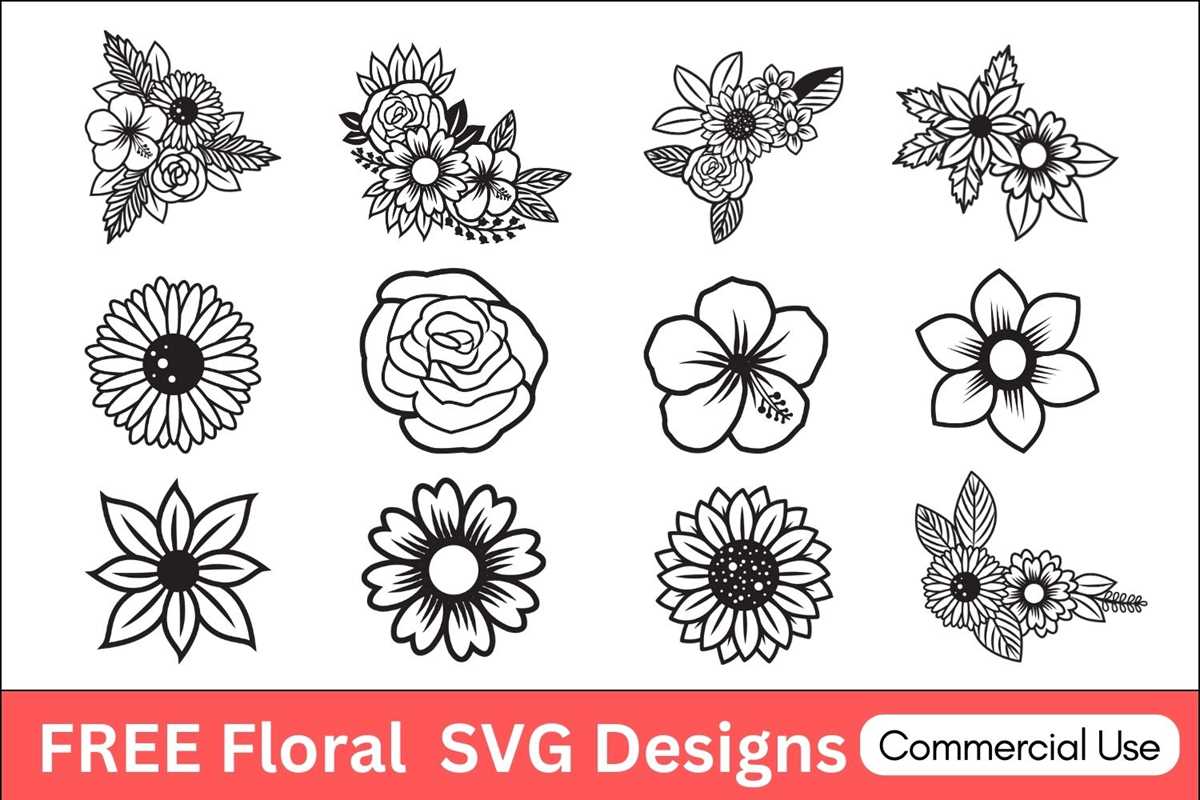
When working on a craft project, using intricate patterns can significantly enhance the final result. Look for detailed designs that match your creative vision. For instance, selecting a pattern with delicate leaves and flowers will add a natural, organic touch to greeting cards or home decor items.
Once you’ve chosen your design, ensure that the paper you’re using is thick enough to support the details without warping. High-quality cardstock is perfect for creating lasting impressions, especially if you’re using ink or paint. Make sure the surface is smooth to get crisp edges and clear details when tracing the design.
Using a cutting tool, carefully outline the shapes within the design. For precise results, use a craft knife or scissors. These tools help cut through the edges neatly, ensuring that each element of the pattern stays intact. After cutting, you can use the template to add texture or color to different surfaces, from fabrics to wooden frames.
If you’re working with a colored medium, such as paint, make sure to apply a thin layer to avoid bleeding under the edges. Using a sponge or stencil brush can provide more control over the application. Always start from the outer edges and work your way in, allowing each layer to dry before applying the next one for a cleaner result.
Additionally, using these designs for multiple projects adds versatility. You can easily adapt them for various materials like canvas, paper, or even clay. The patterns are suitable for scrapbooking, card-making, or creating detailed accents for furniture and home accessories.
Finally, don’t hesitate to experiment with different techniques. Try combining patterns, adding embellishments like glitter or ribbons, or even changing up the colors to create personalized, one-of-a-kind designs. Your craft projects will stand out with minimal effort, offering a beautiful result every time.
How to Download Floral Stencils for Your Projects
To get started, visit a website that offers designs for DIY projects. Many of these sites provide downloadable files that you can easily access and save to your device. Be sure to choose high-resolution patterns to ensure clarity and precision when printing or tracing.
After selecting your desired design, check the file format. Most designs are available in PDF, SVG, or PNG formats. If you want to edit or resize the pattern, SVG files are ideal, while PDFs are perfect for simple printing. Choose the format that best suits your needs for further customization.
Once the file is downloaded, open it on your computer or tablet. If it’s a PDF, you can print it directly from your device. For vector files, use a compatible program like Adobe Illustrator or Inkscape to adjust the size and scale. Make sure the design fits the surface area of your project before printing.
For a smoother experience, ensure that your printer settings are optimized. Select the correct paper size, and check that your printer is set to high-quality output for crisp lines. This step will help you achieve sharp, detailed patterns when transferring them onto your craft material.
Choosing the Right Paper for Printing Floral Stencils
Selecting the right paper is crucial for the success of your design project. For delicate patterns, smooth and sturdy paper, such as high-quality cardstock, ensures clean lines and accurate details. This type of paper is ideal for designs that require precise tracing or stenciling with paint or ink.
If you are working on a more intricate or layered design, it’s best to opt for thicker, more durable paper. A heavier weight paper will prevent tearing during multiple uses, which is especially important when transferring or cutting out patterns. Look for a paper weight between 180-250 gsm for the best results.
For projects involving fabric or mixed media, consider using a specialty transfer paper that can easily adhere to non-paper surfaces. This type of paper ensures that the design transfers neatly, even onto textiles or wood, without bleeding or smudging the edges.
Step-by-Step Guide to Using Floral Stencils for Painting
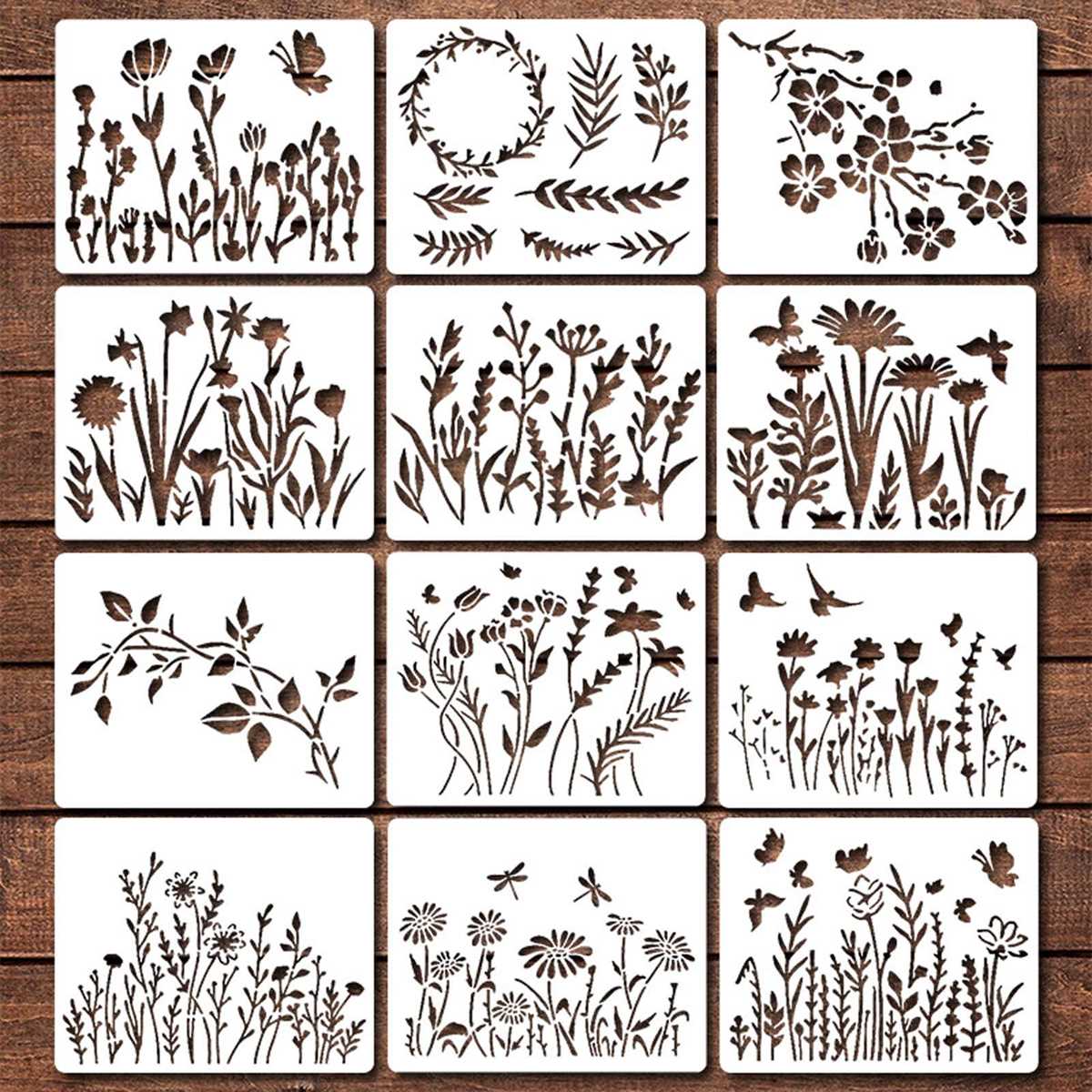
Start by gathering all necessary materials: the design, a clean surface to work on, stencil adhesive, and your choice of paints or inks. Ensure the stencil is securely positioned on the surface to prevent shifting during painting.
Apply a light adhesive or masking tape to hold the design in place. This will prevent the stencil from moving or lifting up as you paint. Be sure to place the stencil flat against the surface, making sure there are no gaps between the edges and the material.
Choose the paint type that suits your surface. Acrylic paints work well on most surfaces like wood, canvas, or paper, while fabric paint is ideal for clothing or textiles. Test your paint on a small area first to ensure it doesn’t bleed under the stencil.
Use a sponge or a stencil brush to apply paint over the stencil. Apply the paint in a gentle, circular motion to avoid smearing. Lightly tap the sponge onto the stencil to create a clean, crisp outline of the design.
For a more defined pattern, use a small brush to fill in intricate details. Keep the brush strokes consistent, and don’t overload the brush with paint, as this may cause it to bleed under the stencil.
Once you’ve painted the entire design, carefully remove the stencil while the paint is still wet. This ensures the stencil doesn’t stick to the paint and leaves a clean outline. Let the design dry fully before applying any additional layers or finishes.
To finish your project, consider adding details like shading or highlights to enhance the depth of your design. If you’re working on a surface like wood, a clear varnish will protect your painting and give it a polished look.
Creative Ways to Customize Floral Stencils for Crafts
One way to personalize your design is by layering multiple patterns on top of one another. Start with a basic outline, then add details such as smaller elements or accents in contrasting colors. This technique creates depth and visual interest, making the final craft look more intricate.
Experiment with different mediums like fabric paint, glitter, or embossing powders to add texture to your craft. You can also try using colored pencils or markers to create fine details within the design, making it stand out more on surfaces such as paper, fabric, or even ceramics.