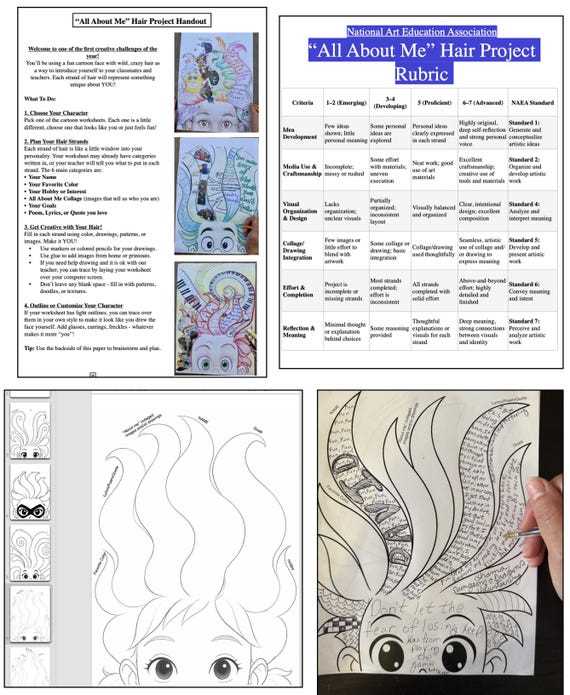
Start by printing out your design and cutting it carefully along the outlined areas. A thicker cardstock is recommended for durability, especially if you plan on using the images in hands-on projects with children or as part of a larger craft. This will prevent the paper from tearing easily during use.
Next, choose your coloring tools. Markers, crayons, or even watercolor paints can help bring your design to life. For a more textured look, consider adding embellishments like glitter, buttons, or fabric for the hair to create depth and variation in your piece. This adds more interest and makes the result feel unique.
Experiment with different materials for the hairstyle section. Use colorful yarn, felt, or fabric to create a 3D effect, which adds a fun twist. The possibilities are endless when combining different mediums. The more varied the materials, the more exciting and engaging the final piece will be.
Guide to Using Face Templates with Crazy Hair Designs
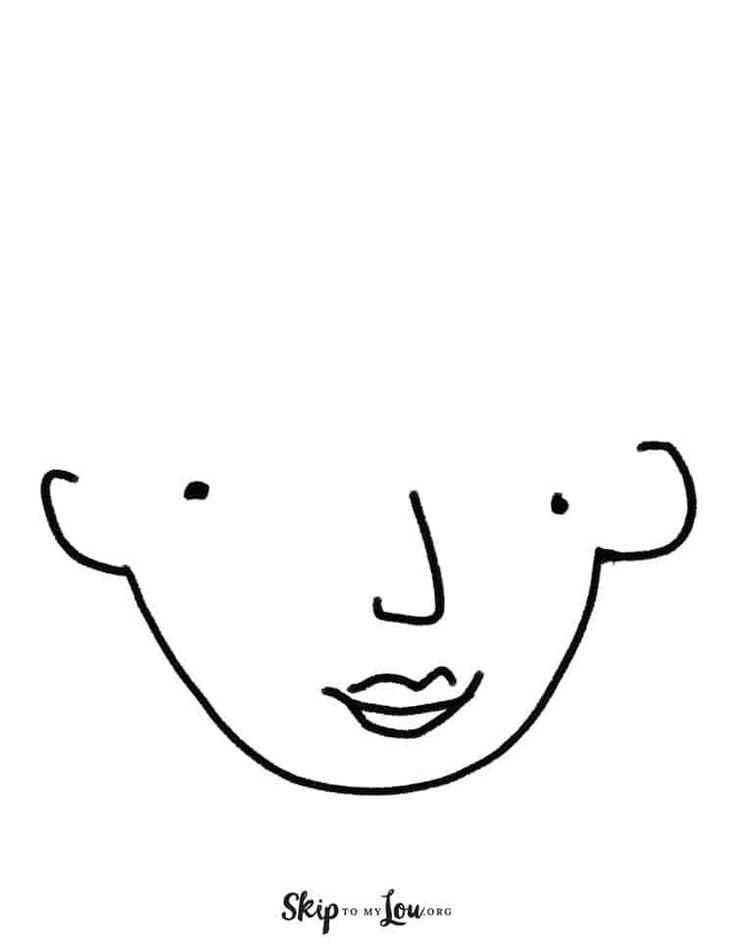
To begin, carefully cut out the outlined features of the face design, ensuring you preserve the edges for a clean look. Once you’ve prepared the image, gather various materials to enhance the “hair” elements. Try using colorful paper, fabric, or yarn to create exaggerated, fun textures. Arrange the pieces on the face, experimenting with different styles and colors to add uniqueness and flair to the character. You can even mix in buttons or beads to create interesting patterns and layers.
Once the face and hair are set, consider adding additional decorations to personalize the piece. You might use glitter to create a shimmering effect or add details like glasses, freckles, or accessories to the character. These additions not only boost the visual appeal but also allow you to tell a more complete, creative story through the artwork. Let your imagination guide you as you build on the base and create a character that is truly one-of-a-kind.
How to Choose the Right Paper for Your Template
When selecting paper for your design, start by considering the weight. Heavier paper, such as cardstock (around 80-110 lb), provides sturdiness, making it ideal for intricate cutting and long-term durability. If your project involves layering or folding, this thickness will help maintain structure without tearing.
For colorful, vibrant designs, choose a smooth paper that will absorb ink well. A glossy or semi-glossy finish works well for adding a polished look, especially if you plan to use markers or water-based paints. This type of paper gives sharp, bright results without dulling the colors.
If you’re looking for a more textured finish, consider using linen or cotton paper. These materials add a unique tactile feel to the artwork and can elevate its overall aesthetic. However, be mindful that textured papers may be more challenging for precise cutting and detailed designs.
For temporary projects or practice, you can opt for lighter paper like printer paper (20-24 lb). This is ideal for initial sketches or rough drafts. While not as durable, it’s a cost-effective option for testing out your designs before committing to heavier materials.
Lastly, if your design will be exposed to moisture or rough handling, choose a water-resistant or coated paper. This will help the artwork maintain its integrity over time. For example, using synthetic paper or laminated sheets can make the project more durable and resistant to environmental factors.
Before finalizing your choice, always test the paper with your intended tools (scissors, markers, paint, etc.). This ensures the paper works well with your medium and delivers the desired finish. The right paper choice can make a significant difference in the quality and longevity of your project.
Step-by-Step Instructions for Printing and Cutting Out Faces
First, select the design that fits your needs and ensure the file is properly formatted for printing. Use high-quality paper for better results, especially if you’re working with intricate designs. Adjust the printer settings to match the paper size, and make sure the print quality is set to high for sharp, clear outlines.
Once printed, carefully use scissors or a craft knife to cut along the edges of the face outlines. For more precision, consider using a cutting mat and a sharp craft knife. This allows for detailed cuts, especially around curved areas. Always follow the lines closely to avoid mistakes and ensure smooth edges.
If the design has multiple layers or components, separate the pieces and cut them one by one. Keep the smaller details organized, as they may require different cutting techniques. Use tweezers to handle the small parts, which can prevent tearing and help with more delicate work.
After all pieces are cut out, you can assemble the face by gluing or taping the parts together, ensuring they align properly. Be patient when positioning the components, especially if the design requires a specific order for accurate placement. Once assembled, allow the glue to dry completely before displaying or using the design in your project.
Adding Color and Texture to Your Crazy Hair Designs
To add color to your design, begin with vibrant markers, colored pencils, or paints. Choose colors that contrast well with the rest of the design, making the hair stand out. For a more dynamic effect, use multiple shades of a color family, such as different blues or reds, to create depth and dimension. Blend colors where necessary to give the hair a more natural look or a fun, abstract feel, depending on your vision.
When adding texture, start by considering the medium you want to use. If you want a more three-dimensional look, try using fabric, tissue paper, or textured cardstock for the hair. These materials can be glued or taped onto the paper, adding both dimension and a unique tactile feel to your design. Textured paper can help give the appearance of volume and movement.
Another great option for adding texture is using embossing techniques. You can use an embossing machine or embossing powder to create raised patterns on certain areas of the design. This method can make the hair appear more stylized, adding both physical texture and visual interest.
For a more playful and bold design, you can also incorporate sequins, glitter, or other embellishments. Adding these materials to the hair can give it an energetic, sparkling effect. Apply these elements carefully using glue to ensure they stay in place, and allow time for drying before continuing with other parts of the project.
Consider using pens or fine-tip markers to add fine details like stripes, curls, or zigzags within the hair. These small additions can add intricate detail, giving the hair a more unique, customized look. Experiment with various patterns to see which one complements the overall design best.
If you’re working with digital designs, adjust the texture using digital brushes or textures in design software. You can experiment with various brushes to simulate hair strands, waves, or curls. Using layering techniques, you can blend colors and textures together to create a realistic or artistic hair design that fits your theme perfectly.
Finally, be sure to take a step back and assess how the color and texture come together in the overall composition. Adjust colors and textures where necessary to ensure the design feels balanced and cohesive. Experimenting with different combinations will help you discover the perfect mix that brings your design to life.
Creative Ways to Customize Faces with Fun Hairstyles
Start by experimenting with exaggerated shapes for the hair. Instead of traditional, smooth designs, try creating spiky, zigzag, or wavy patterns. Use bold colors like neon pink, electric blue, or fluorescent green to make the hairstyle stand out. Adding these unique shapes and colors can transform a simple character into something playful and imaginative.
Consider using accessories as part of the hairstyle. Add elements like bows, ribbons, or hats directly into the design. You can even give the hair a texture, like crimped or braided, by sketching these patterns in. By integrating accessories, you can create a more dynamic and visually interesting hairstyle.
Try using multiple layers of texture in the design. For example, you can incorporate swirls or curls that overlap to create a fuller, more voluminous appearance. Combining different shapes and textures within the same design can add depth and make the hair look more vibrant and dynamic.
If you want to make the design even more interactive, consider adding elements that appear to be blowing in the wind or floating in the air. You could make sections of the hair look like they’re flying off the character’s head or creating a swirling effect. This dynamic movement can bring the design to life.
Introduce quirky elements to the hairstyle. For example, turn the hair into shapes like clouds, stars, or even animal faces. By incorporating playful designs into the hair, you can create a whimsical, fantasy-like character. These types of designs will capture the attention of children and adults alike.
Use a variety of mediums to add texture to your character’s hair. Consider materials like glitter, fabric, or paper to make the hairstyle stand out physically. Using these elements can give the design a multi-dimensional quality, making it more engaging. These can be glued onto the design or even used as an interactive element for an arts and crafts project.
Another great idea is to mix and match different styles. You could combine a wild, curly look with straight strands or merge a Mohawk style with a more casual ponytail. This combination of styles will create a fun contrast and make the character’s hairstyle more memorable.
Finally, add personal touches that reflect the character’s personality. For example, if you’re designing a fun character for a birthday card, add birthday-themed hair accessories or decorations like confetti or balloons. Making the hairstyle unique to the character will enhance the overall design and make it feel more special.