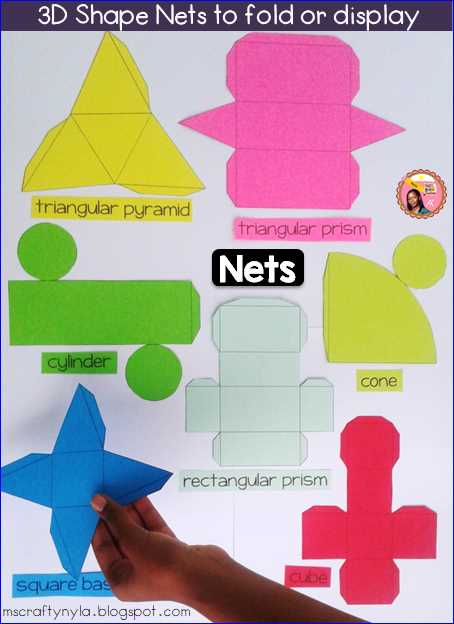
To make a three-dimensional shape out of paper, first download a template of a geometric figure. Carefully cut along the lines, ensuring you follow each fold line accurately. This will allow you to assemble a model that reflects the exact form you need.
Once the paper shape is cut, use glue or tape to secure the edges together. Be sure to fold the sections neatly to maintain clean angles. With patience, you can create various geometric shapes, each with their own unique structure and properties. The process is simple but requires precision to achieve the desired result.
Using templates in this way is an excellent hands-on method for understanding geometric principles. It can be applied in educational settings or as a creative project. With just a few materials, such as paper, scissors, and adhesive, you can bring complex shapes to life in your own space.
Creating a Paper Model of a 3D Shape
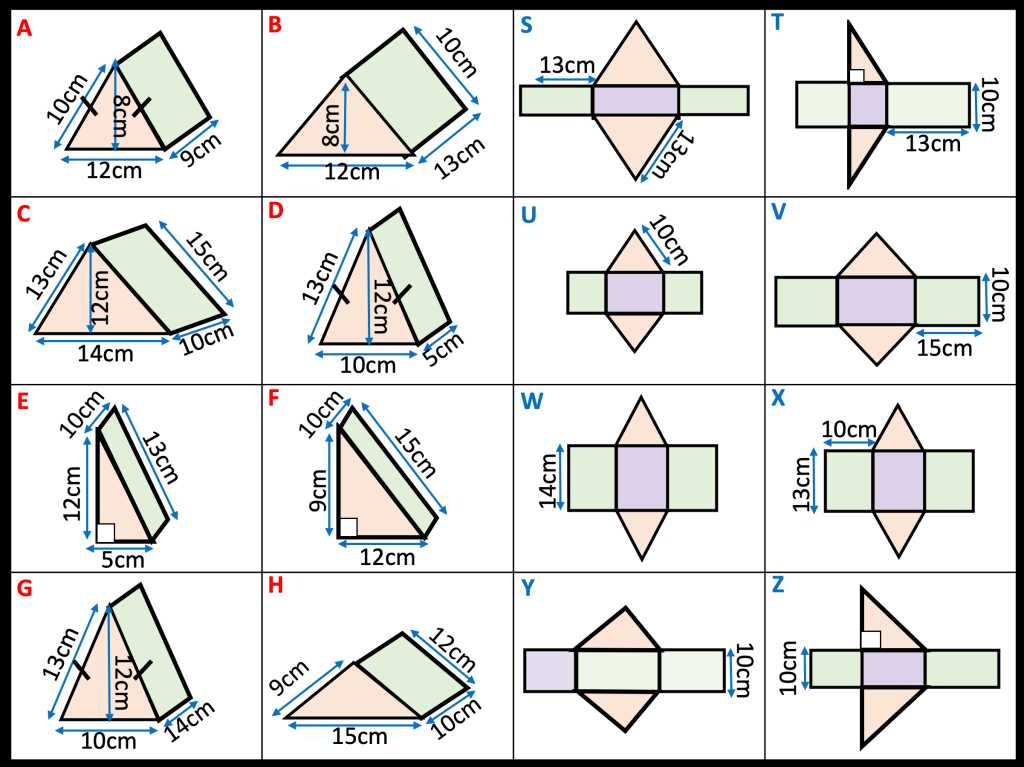
To build a three-dimensional shape from paper, you’ll need a well-designed template. These templates, often called “nets,” can be found online or drawn by hand. The key is to ensure that the template includes all the required faces of the shape, with clear lines for folding and cutting.
Once you have your template, print it out on sturdy paper. Use scissors to carefully cut around the edges, ensuring precision. This step is vital for ensuring the model fits together seamlessly when folded.
After cutting, fold the paper along the dotted lines. This will form the edges of the shape. Make sure the folds are crisp and straight to ensure a clean and sharp model. Using a ruler or bone folder can help achieve precise folds.
Next, start assembling the pieces. Apply glue or tape along the edges and carefully align them. Hold the sections in place for a few seconds until they stick. If the pieces are not aligning correctly, check the folds again to make sure they’re accurate.
For better results, try using different paper textures or thicknesses. Thicker paper will create a sturdier shape, but it can also be more difficult to fold. Lighter paper is easier to manipulate, but it may not hold up as well in the long run. Experiment with different materials to find the best fit for your project.
If you’re teaching this concept to students or using it as a classroom activity, make sure each student has a template and enough time to complete the project. You can also create different shapes for them to construct, depending on their age and skill level.
To further improve the learning experience, allow participants to decorate or color the model once it’s assembled. This adds a fun and creative aspect to the project, and it can help engage students or hobbyists in the process.
Once completed, you’ll have a fully assembled 3D shape made of paper. These models can be used as educational tools or simply as fun projects to help better understand geometric principles. By following these simple steps, you can create accurate, impressive shapes that bring geometry to life.
How to Download a Template for a 3D Shape
To begin, search for a reliable website offering templates for creating 3D objects. Many educational and crafting websites provide downloadable files specifically for geometric shapes, including the one you need. Ensure the site is trusted to avoid downloading unwanted software.
Once you’ve selected a website, look for a section dedicated to geometric projects or 3D models. There will typically be a variety of downloadable options for various shapes, including the one you’re interested in. Select the correct template format, usually a PDF or SVG file.
Click the download button next to the template you need. The file should automatically begin downloading to your computer or device. Be sure to save it in an easily accessible folder so you can find it later when ready to print.
If the download doesn’t start automatically, check your browser settings or the file link for any issues. You may need to right-click on the download button and choose “Save As” to manually select where the file will be stored.
After the file is downloaded, open it with a compatible viewer. Most modern browsers or PDF readers will be able to open the file without needing additional software. If the file format is SVG, you may need a vector graphics editor to view or adjust it.
Before printing, check the scale and settings of the document. Some templates may need to be resized depending on the printer you’re using or the size of the paper. Make sure the “Fit to Page” option is selected for PDFs to avoid cutting off any edges.
Once you’re satisfied with the setup, print the template onto a sturdy paper. Thicker paper or cardstock works best for creating durable models that hold their shape when folded and glued.
After printing, carefully cut out the shapes along the lines and begin assembling the model by folding and gluing the edges. Follow any additional instructions provided with the download to ensure a proper fit and smooth assembly of the object.
Materials Needed for Printing and Assembling the Shape Template
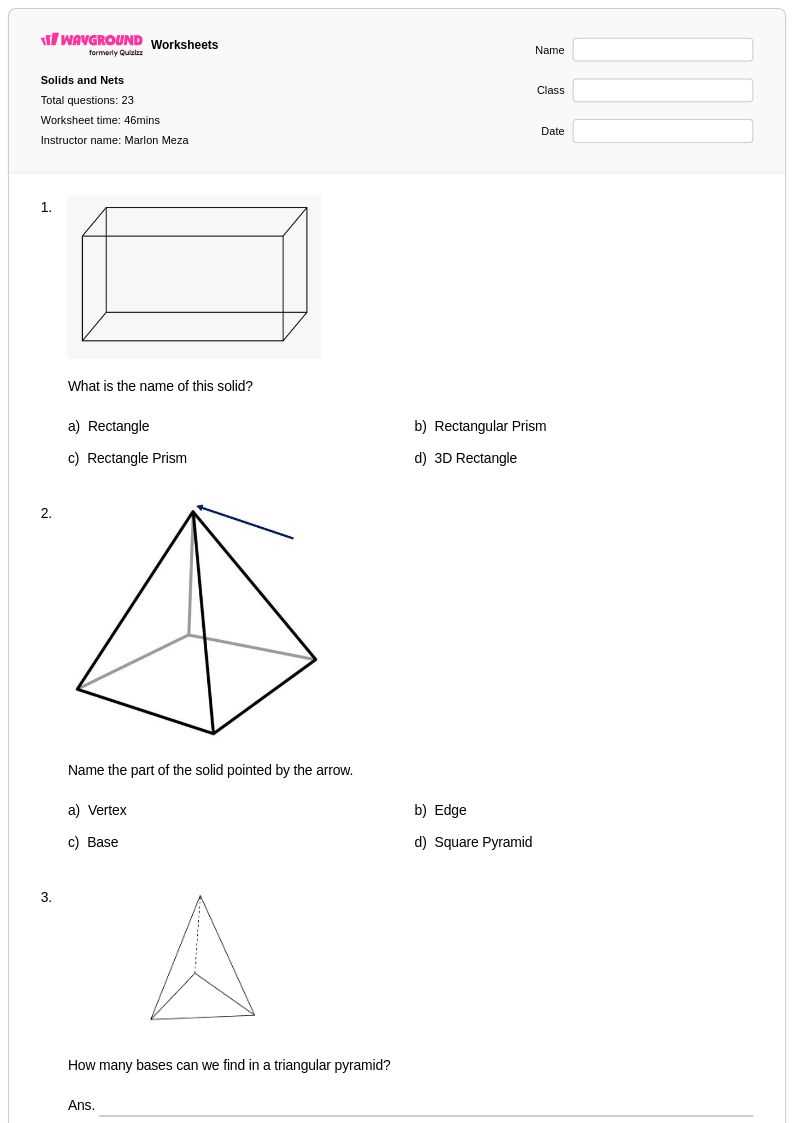
To start, you will need a printer capable of handling standard letter or A4-sized paper. A laser or inkjet printer will work fine for this project, ensuring that the shapes are printed clearly and with precision.
Next, select the right paper type. Cardstock or heavier paper is ideal for constructing sturdy models. Standard printer paper is acceptable, but using thicker paper will give your creation more durability and prevent it from bending or tearing easily during assembly.
Scissors or a craft knife will be needed to carefully cut out the printed shapes. A craft knife provides greater precision, especially for intricate corners or edges. Ensure you have a cutting mat or a safe surface to protect your workspace when using a knife.
For assembling the shape, you will need a strong adhesive such as glue or double-sided tape. Liquid glue is preferable for its flexibility, as it allows for small adjustments during the assembly process. A glue stick can also be used but may not be as effective for heavier materials.
Finally, having a ruler and pencil on hand will be helpful to mark the folding lines, especially if they aren’t already pre-printed. This ensures your folds are straight and accurate, contributing to a cleaner, more professional-looking model when it’s assembled.
Step-by-Step Instructions for Cutting and Folding a Shape Template
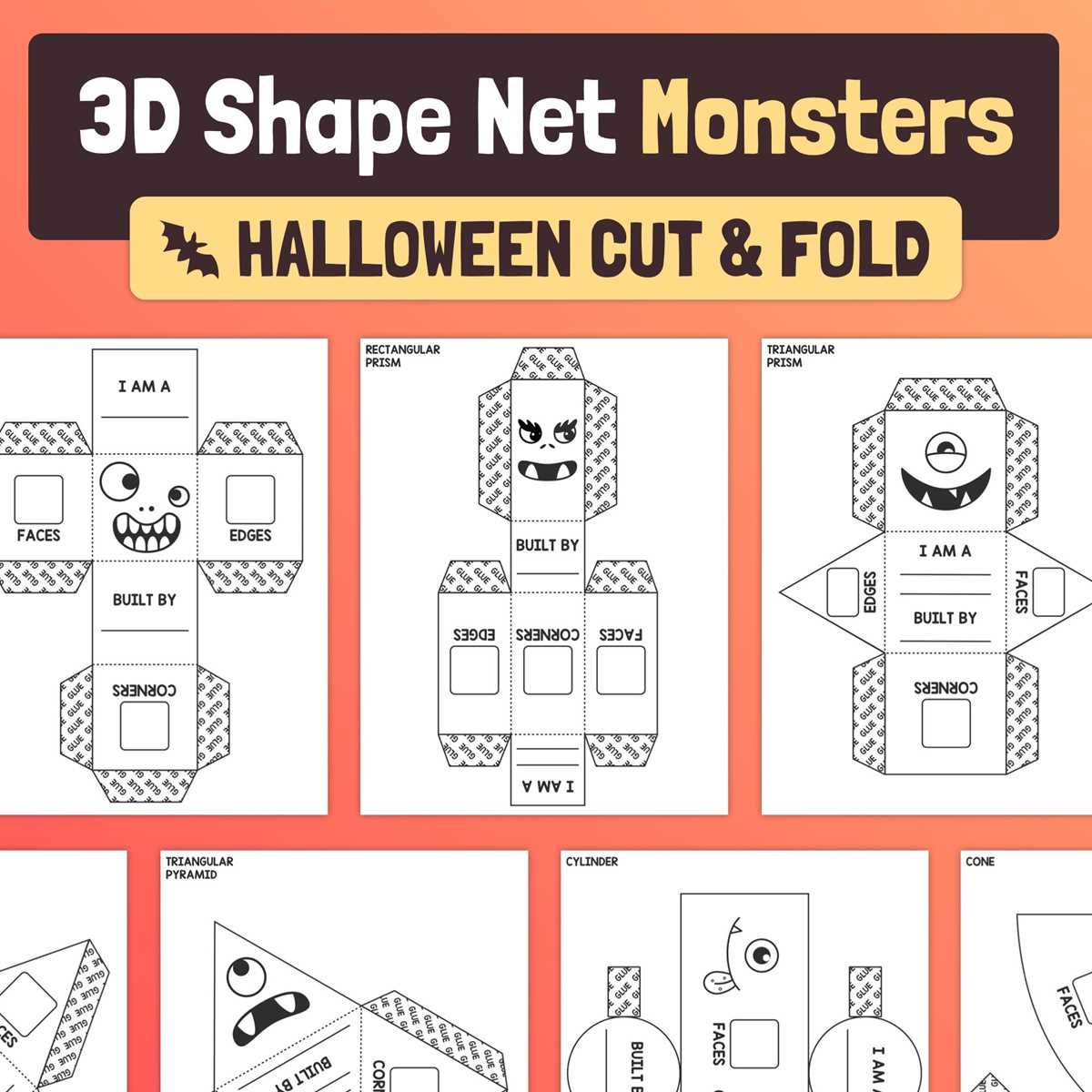
Begin by printing the template on your selected paper, ensuring that all edges are sharp and clear. Using scissors or a craft knife, carefully cut along the outer edges of the shape. For more intricate cuts, like the corners or smaller sections, use a craft knife for precision. Take your time to avoid jagged edges, as clean cuts ensure the model fits together smoothly.
Once all the pieces are cut, fold along the lines indicated on the template. Use a ruler and pencil to mark the folds if they aren’t pre-printed. For a sharp fold, run the edge of the ruler along the crease to flatten it. Apply glue or tape to the tabs where the edges meet to securely assemble the shape. Hold the pieces in place for a few seconds until the adhesive sets, ensuring a clean and sturdy structure.
Common Mistakes to Avoid When Assembling the Shape
One common mistake is failing to cut along the exact lines. Even a small deviation can cause the parts to misalign when assembling the model. Ensure you use a steady hand or tools like a ruler to guarantee straight cuts, particularly around corners and edges.
Another issue is neglecting to fold precisely along the marked lines. If the folds are uneven, the structure will not fit together properly. Use a sharp crease, and consider using a bone folder or ruler to press the folds down firmly, achieving cleaner results.
Misunderstanding the assembly sequence can also cause problems. Always double-check the instructions or the provided diagram before you start gluing the parts together. A common mistake is gluing too early, before ensuring that the alignment of the pieces is correct.
Lastly, using the wrong type of adhesive or too much glue can lead to unwanted messes and weak joints. Choose a reliable adhesive for paper or cardboard, and apply it sparingly to avoid excess. Ensure the glue has time to dry fully before proceeding to the next step to avoid shifting during assembly.