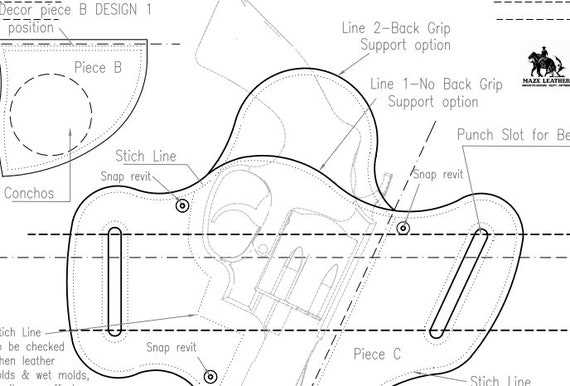
If you’re looking to create your own custom-fitting firearm carrier, using downloadable templates can simplify the process. By choosing the right designs, you can quickly make a functional and personalized piece. Start by selecting a template that matches your preferred style, whether it’s a belt-style carrier, cross-body model, or one suited for concealment. The flexibility in designs allows you to choose a pattern that suits your specific needs.
Once you have found a template, it’s important to select the right materials for cutting and stitching. Templates can easily be transferred to thick cardstock, or other sturdy surfaces for accurate cutting. The beauty of these designs lies in their versatility–whether you’re a beginner or experienced, with the right tools, the process can be done at home with minimal effort.
Printing the templates is straightforward. Choose a high-quality print setting for the best results. Make sure the paper or material you’re printing on is stable enough to withstand cutting and folding. After printing, you’ll need to trace the outline onto your material. With the proper measurements, cutting and assembling your custom piece will be a breeze.
Finding the Best Templates for Crafting Your Custom Carrier
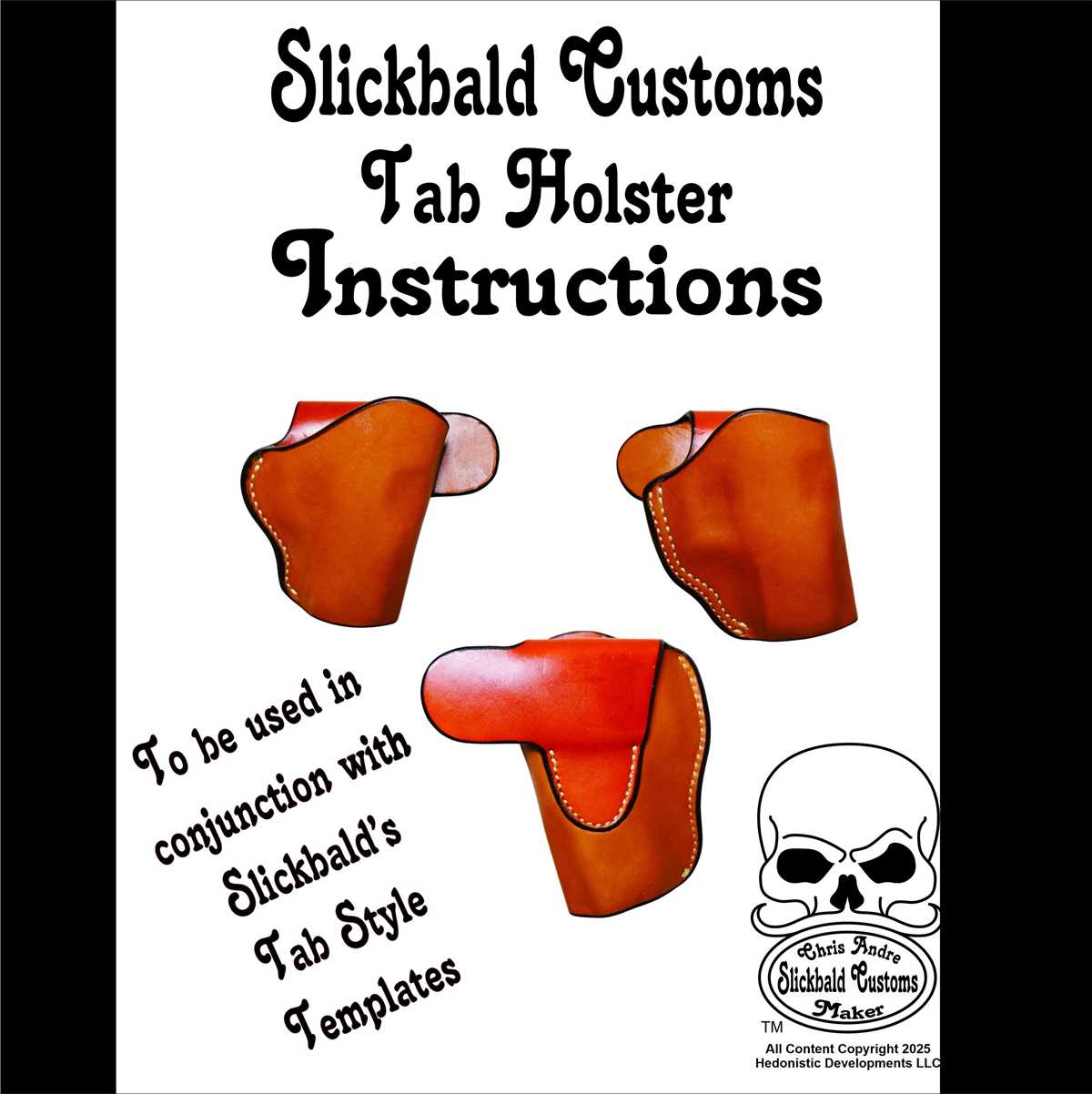
Look for accurate and high-quality designs that match the specific type of carrier you want to create. Ensure that the template is appropriately sized for your chosen material. Some patterns are designed for larger designs while others are for smaller or more compact models. Carefully consider the thickness and flexibility of your material to achieve the best fit and usability.
Once you have your design, check the precision of the cutting lines. A poorly designed template will result in a poorly fitting item, which can be frustrating. Many websites offer various options, some of which include additional features like stitching marks or guidelines to help with the assembly. Make sure to use a sharp tool for tracing and cutting to ensure clean lines and accurate measurements.
If you’re new to making these custom designs, start with a simple and straightforward option. Avoid overly complicated patterns until you feel more comfortable with the process. You can always modify and adjust the designs as needed after completing your first few projects. This will help you understand the different techniques and customize further as you gain experience.
Where to Find Free Leather Craft Templates Online
Start by visiting popular crafting websites that specialize in providing downloadable designs for DIY projects. Sites like Craftsy and Instructables offer various templates for beginners and experienced crafters. Many of these platforms allow you to search specifically for designs suited for making carriers, belts, and other accessories, often with step-by-step guides.
Another good source is forums and online communities dedicated to leatherworking, where members often share their own designs. Websites like Reddit’s r/Leathercraft and Leatherworker.net feature free templates shared by other hobbyists. You can also ask for advice or recommendations about specific patterns or resources that are especially helpful for creating custom items.
For more specialized patterns, try niche websites that focus entirely on leather crafting. These often have a wide range of templates for different projects. Leathercraft Library and Tandy Leather both provide free downloadable content, including patterns for creating wallets, sheaths, and more. While some sites may require a quick registration, the resources are comprehensive and cater to all levels of experience.
If you prefer visual references, YouTube channels dedicated to leather crafting may provide downloadable designs in their video descriptions. Many tutorials on leatherwork come with links to pattern files, saving you the hassle of searching manually. The instructions in these videos can also guide you through the cutting and assembly process, which can be incredibly useful for beginners.
Some design platforms, such as Pinterest, allow users to pin a variety of pattern ideas directly to their boards. From there, you can often find links that direct you to websites where you can download the templates. You may even discover unique variations that others have created and shared publicly.
Finally, consider reaching out directly to professional leatherworkers who may offer patterns as a part of their services. Many artisans share or sell their designs on personal websites, blogs, or through online marketplaces like Etsy. While these templates might not always be free, they can often be purchased for a reasonable price, especially if you’re looking for something custom-made.
How to Download and Save Holster Patterns on Your Device
To begin, find the design file you want to save. Look for a clear “Download” button on the website offering the design. Once you click it, the file will either open directly in your browser or prompt you to select a location to save it. If it’s in a ZIP format, make sure to extract the file after saving it to your device.
For those using desktop computers, the file will typically be saved in your default downloads folder unless you specify a different location. On a Mac, the system usually saves the file to the Downloads folder by default, while on Windows, it may vary. Check your browser settings if you’re unsure where it’s being saved.
If you’re using a mobile device, tapping the download link will either save the file to your default storage or ask you where to place it. Most mobile devices store downloaded files in a specific folder like “Downloads” or “Files,” which can be accessed via a file management app. Ensure you are using an app capable of handling the file type you’re downloading, such as PDF or image viewers.
Once saved, you can rename the file to something descriptive if needed, to help you keep track of your files. If you plan to use the pattern multiple times, consider organizing it into specific folders by project type. This will save you time when you need to access it later.
After downloading and saving the file, it’s always a good idea to back up your designs. Use cloud storage services like Google Drive or Dropbox to ensure you have access to the files in case your device gets lost or corrupted. This provides easy access from any device and ensures your patterns remain secure and easily retrievable.
Step-by-Step Guide for Printing Leather Holster Patterns
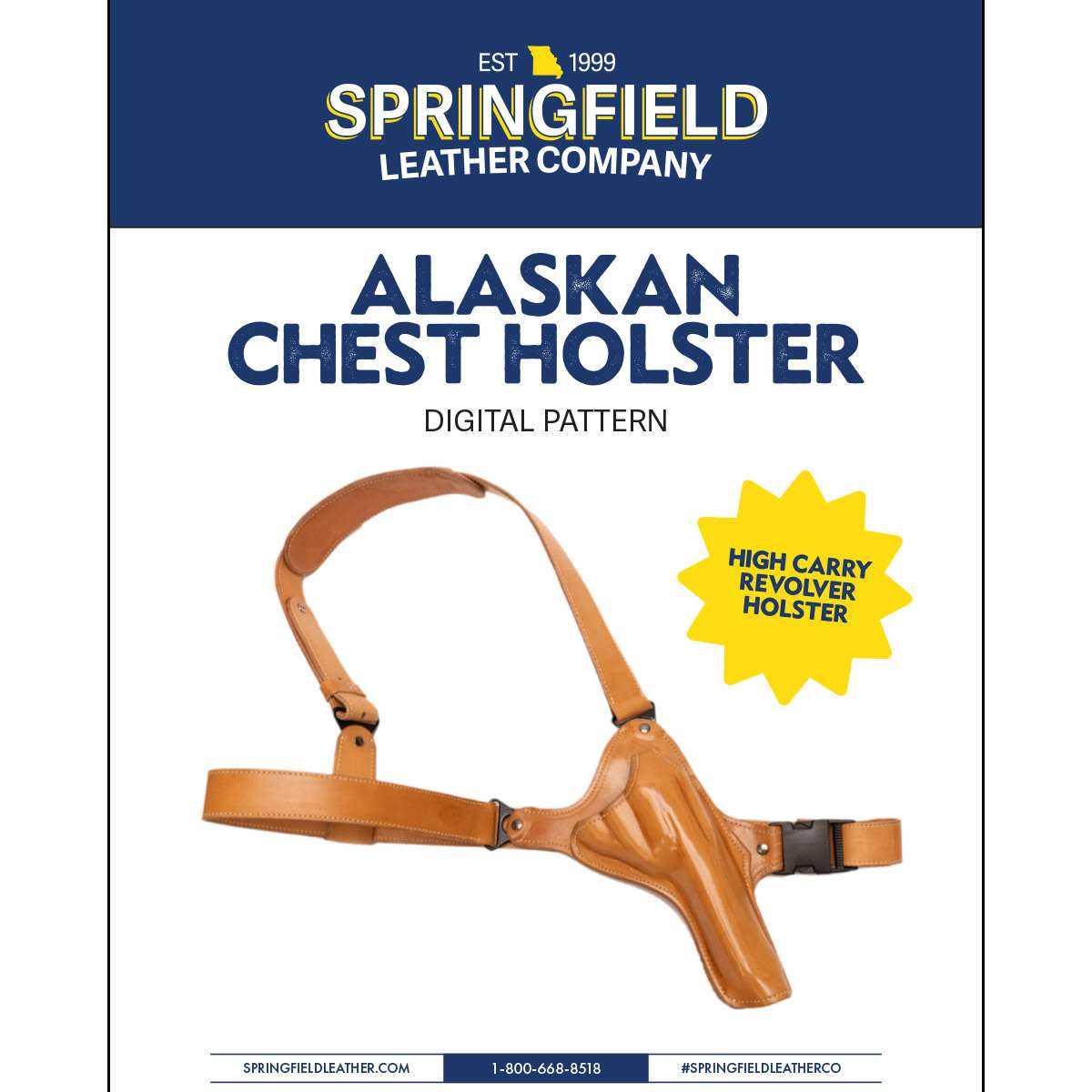
First, open the file containing your chosen design on your device. Make sure the file is in a format compatible with your printer, such as PDF or JPEG. If the document appears large or too small, adjust the scale settings in the printing options to match your desired size before proceeding.
Next, check that your printer has enough paper in the correct size. For most designs, standard letter-size paper (8.5 x 11 inches) is typically used. However, if your design is larger, you may need to select legal-sized paper or A3 size. Ensure that your printer supports the paper dimensions of the design you are working with.
Before hitting the print button, go through the print settings to ensure the document is aligned properly. If you’re printing a multi-page pattern, select the “Poster” or “Tile” option to split the design across multiple pages. Make sure there is no scaling applied unless needed to fit the pages, as it could distort the design.
After printing, carefully cut out the design pieces along the edges. Use sharp scissors or a craft knife for precise cuts. For multi-page patterns, ensure that the edges align perfectly before cutting to avoid any misalignment during assembly.
Finally, organize the pieces in the correct order before you start assembly. This will help you avoid confusion while working on the project. For better accuracy, consider using a ruler or measuring tape to ensure that all parts are aligned properly. Once the pieces are prepared, you’re ready to proceed with your crafting project.
Choosing the Right Paper for Printing Leather Holster Templates
Start by selecting a paper type that offers the right balance between thickness and flexibility. Cardstock or heavy-weight paper is often a good choice, as it provides stability while still being easy to handle. This ensures the template holds its shape when you’re cutting and assembling it. If you’re using a home printer, ensure it can accommodate heavier paper weights.
For more detailed cuts, opt for paper that holds ink well without smudging. Glossy or semi-glossy paper can enhance the clarity of the design, but it may not be necessary unless the details of the design require high contrast. For most projects, matte finish paper is sufficient and provides a good surface for easy cutting.
If you plan to trace the design onto a sturdier material later, choose paper that is not too porous. Papers with a smooth texture work best for clean lines and easy tracing. Smooth, bright white paper will give you the clearest markings, helping to achieve an accurate cut on the final material.
Consider the type of project you’re creating. If you’re assembling a multi-piece template, using standard printer paper is suitable, but for larger designs or templates that need to withstand some wear, a heavier weight paper may be better. This is especially important if you’re going to transfer the design onto other materials like fabric or synthetic options.
For larger, more intricate designs, you may want to consider printing on larger paper, such as tabloid size or A3. This reduces the need for multiple pages and makes it easier to handle the whole design in one go. Ensure your printer supports larger paper formats if you decide to go this route.
Test different paper types with a few smaller templates before committing to printing the full design. This helps you see how well the paper holds up under the printer’s ink and whether it cuts easily. Experiment with different thicknesses to find the best fit for your specific needs.
Lastly, ensure that the paper is compatible with your printer settings. Before printing, check the manufacturer’s recommendations for the maximum paper weight and adjust the printer settings for optimal results. With the right paper, your templates will be easy to cut, trace, and use for your crafting project.