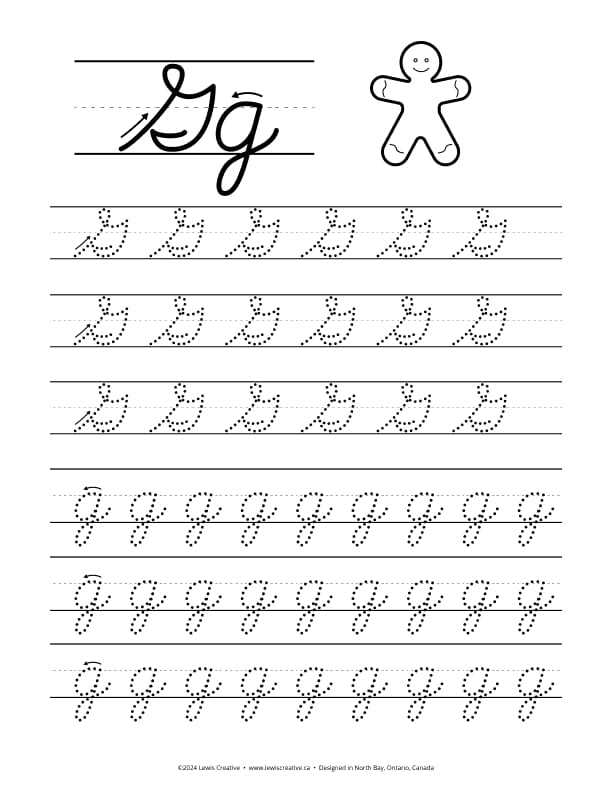
To improve handwriting skills, start with the right templates. Opt for sheets that focus on connecting letters to build fluidity and natural flow. These templates will guide the hand through various shapes and strokes, helping to reinforce muscle memory for each character.
For best results, use a consistent practice schedule. Regular repetition is key when developing muscle control for smoother and more legible writing. Consider setting aside time each day to follow a structured routine using these worksheets, focusing on both speed and accuracy.
Tracking progress is also important. As you advance, use progressively more challenging exercises that incorporate varied letter sizes and slants. This not only helps with neatness but also builds confidence in writing by hand.
Printable Practice Sheets for Improving Handwriting
To begin refining your handwriting, choose worksheets that emphasize letter connections. These sheets help guide the flow from one character to the next, promoting a smoother writing style. Start with basic forms and gradually progress to more complex shapes as confidence builds.
Use a pen or pencil with a comfortable grip to ensure better control during practice. Maintaining the correct posture and holding your writing instrument correctly will enhance muscle memory, which is vital for improved writing consistency.
For focused practice, tackle a few letters at a time. This helps avoid frustration and ensures each character is properly learned before moving on to the next. Regular, short sessions work better than lengthy, sporadic ones for steady progress.
Over time, work on spacing between characters and words. Good spacing is crucial for readability and overall neatness. Utilize practice sheets that include guides for spacing, which will help with alignment and spacing consistency.
Keep track of improvements by periodically reviewing earlier worksheets. This will allow you to spot areas where more attention is needed. Recording progress also helps maintain motivation and highlights the areas that require extra focus for further development.
Choosing the Right Paper for Handwriting Practice
Select paper with a smooth, consistent texture that allows your pen or pencil to glide easily without resistance. Opt for medium-weight paper (around 80-100 gsm) to avoid ink bleeding through, especially if you’re using markers or fountain pens.
Paper with pre-printed lines or guides can significantly improve alignment and spacing. Look for sheets that feature either narrow or wide lines, depending on your needs. These guides help ensure consistent letter size and shape, aiding in muscle memory development.
If you plan to practice for extended periods, choose thicker paper to prevent it from warping or tearing. Higher-quality paper, like 120 gsm or above, provides durability for frequent use, maintaining a neat and tidy surface even after multiple writing sessions.
Step-by-Step Guide to Using Handwriting Practice Sheets
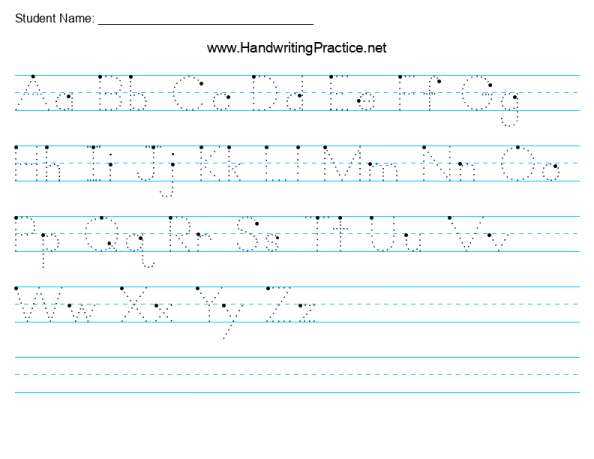
Start by selecting a clean, well-lined sheet with clear guidelines to ensure proper letter formation. Begin with the basics: focus on individual letters and their strokes. If your sheet includes examples, trace over them first to get a feel for the flow.
Next, try writing each letter independently without tracing. Start slowly to ensure precision, then gradually increase your speed as your confidence grows. Pay attention to the size and spacing of each character.
After practicing individual characters, move on to writing small words or combinations of letters. This will help you transition between different letters smoothly. Make sure to maintain consistent spacing and alignment as you go.
Take time to review your writing regularly. Compare your results with the provided examples or guides on your sheet. Notice any inconsistencies, and focus on correcting them in future exercises.
For further improvement, repeat the practice daily. Consistent repetition will help you build muscle memory and make the movements more natural. Set aside 10-15 minutes each session for focused writing practice.
Finally, experiment with different writing tools like pencils, pens, or markers to see which one suits your style. Each tool offers a different experience, helping you refine your technique over time.
Tips for Improving Handwriting with Cursive Exercises
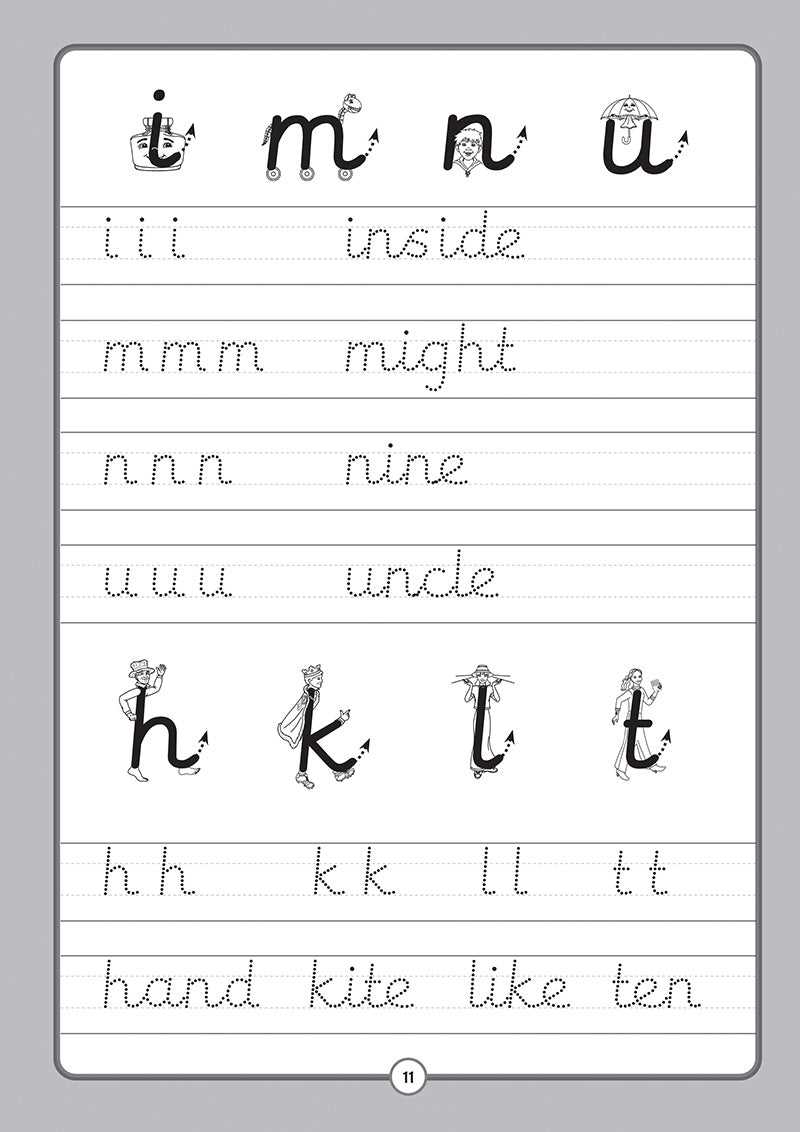
Focus on maintaining consistent pressure while writing. Holding your pen too tightly can cause jerky strokes, while too little pressure may make your letters faint and hard to read. Aim for a balanced grip, allowing smooth, fluid movements.
Practice writing with slow, deliberate strokes. When you rush, your letters can become inconsistent and uneven. Taking your time ensures precision, helping to build muscle memory for more fluid and legible writing.
Concentrate on the proper formation of each character. When practicing, start with the basic forms and move toward more complex combinations. Focusing on each letter’s structure helps avoid bad habits that can form when skipping steps.
Work on letter spacing. Consistent gaps between letters improve readability and give your writing a professional appearance. Use guidelines or lined sheets to maintain uniformity in spacing as you work through your exercises.
Incorporate regular breaks to prevent hand fatigue. Extended writing sessions can strain your hand, leading to sloppy writing. Take breaks to stretch and rest your fingers, ensuring that your writing remains controlled and smooth.
Review your progress by comparing your current writing with earlier examples. Identifying areas for improvement lets you target specific problems, whether they relate to consistency, size, or shape. This focused approach will yield steady improvement over time.
Printable Templates for Different Cursive Styles
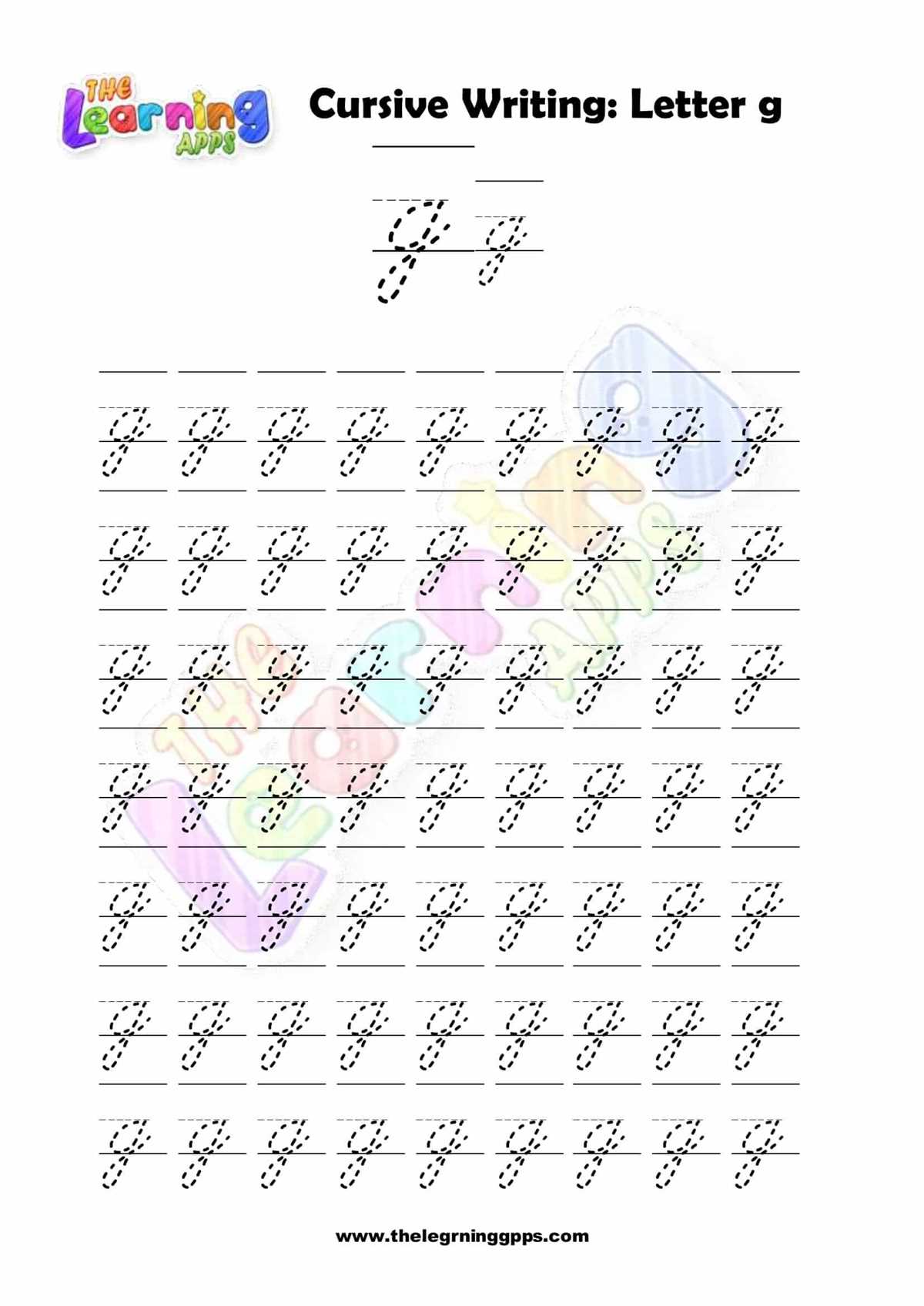
Choose templates designed for specific styles, such as the Palmer Method, Spencerian, or Italic handwriting. Each style has unique characteristics, like slanted angles or loops, so selecting the right one for your goals is crucial. For beginners, simpler templates with basic strokes help in building a solid foundation before advancing to more intricate styles.
Templates with varying line widths and guidelines can aid in maintaining consistent letter height and spacing. For example, thicker lines may be useful for practice with controlling pressure, while narrower lines are suitable for fine-tuning delicate strokes. Experiment with different template types to find which one best supports your learning style and progress.