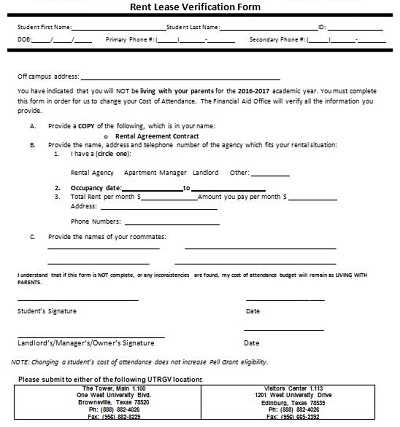
To streamline the process of confirming a tenant’s previous housing history, it’s important to have a clear and well-organized document in place. A housing reference document should be simple yet detailed, ensuring that both the landlord and the applicant provide all necessary information. Make sure the document includes sections for basic tenant details, rental period, and payment history, as well as a space for comments from the previous landlord or property manager.
When creating this document, ensure that all relevant questions are addressed to prevent delays in the approval process. This includes confirming the dates the tenant lived at the property, whether payments were consistently made on time, and if the tenant caused any issues during their tenancy. These insights help provide a comprehensive view of the applicant’s rental history and responsibility level.
Before providing this type of documentation to a new landlord, review the completed document carefully for accuracy. It’s helpful to use a standardized template to ensure no important details are omitted. Additionally, make sure to keep any personal or sensitive information secure, particularly when sharing this document electronically.
How to Create a Rental History Confirmation Document
Ensure that the document includes all the necessary information about the tenant’s history, such as the address of the property, the duration of the stay, and payment details. A clear breakdown of these aspects provides a complete picture for the prospective landlord or agency.
It’s also important to request specific feedback from the landlord or property manager regarding the tenant’s behavior, maintenance of the property, and adherence to lease terms. This will help future landlords make informed decisions about the applicant.
Use simple and straightforward language to ensure that all parties can easily fill out and understand the document. A good template will have clear sections to be filled out by the current landlord and space for additional comments that may not be addressed in the standard fields.
To ensure accuracy, ask the landlord or property manager to sign and date the document. This formalizes the information and adds credibility to the document. If it’s being sent electronically, ensure there are guidelines for secure submission, especially when dealing with sensitive personal data.
Lastly, review the completed document before submitting it to the new landlord. Ensure that there are no missing fields and that all information is correct. Double-checking these details can prevent delays in processing and help ensure that the applicant’s rental history is accurately represented.
What Information Should Be Included in a Rental History Confirmation
Include the full name of the tenant and their contact details at the time of tenancy. This ensures that both parties are clearly identified and helps in verifying the tenant’s history if needed. Always include the address of the property that was leased.
Document the start and end dates of the lease to provide a clear record of the duration of the tenant’s stay. This is important for determining their level of commitment and helps assess if there were any gaps in their rental history.
Provide a section where the landlord or property manager can detail the rental payment history. It should specify whether payments were made on time, the amount, and whether there were any late fees. This helps landlords assess the financial reliability of the applicant.
It is also necessary to include a section for the landlord or property manager to comment on the tenant’s behavior during the lease. This can cover issues like noise complaints, property maintenance, or whether the tenant followed community rules.
Ask the landlord or property manager to confirm if the tenant left the property in good condition. Including a statement regarding the state of the property after the tenant moved out can provide insights into the tenant’s responsibility and care for the rental unit.
Lastly, ensure that the document has space for the landlord’s signature and the date of completion. This provides authenticity to the document and confirms that all provided information is accurate.
How to Customize a Rental History Confirmation for Your Needs
To adapt a rental history document for your specific requirements, first, determine what key details you need. For instance, if you need to verify payment reliability, add sections that focus on payment records, such as due dates, amounts, and whether there were any missed payments.
Next, consider adding a section that includes a tenant’s behavior or history of property upkeep. If your goal is to assess responsibility and community interaction, customize the document to allow the landlord to provide insights into tenant behavior, property maintenance, or adherence to the lease terms.
Lastly, adjust the form’s design to suit your needs. Ensure that all sections you need are clearly marked and add space for any additional notes. If you plan on using this document for multiple purposes, creating checkboxes for various attributes (like “tenant left property clean” or “payments were always on time”) can make it versatile and easier to read.
Where to Find Templates for Rental History Confirmation Documents
One reliable source for obtaining templates is online document libraries. Websites like Google Docs and Microsoft Word Online offer free, customizable templates that you can use directly. Search for terms like “tenant reference letter” or “property confirmation template” to find relevant options.
Another option is specialized real estate websites. Platforms such as Zillow or Rentec Direct often provide downloadable templates, specifically tailored for verifying rental history and tenant details. These templates are typically designed to meet legal and industry standards, ensuring you have all necessary information included.
Steps for Filling Out a Rental History Confirmation Document
Start by entering the tenant’s full name, current address, and contact details. Make sure all fields are accurate and up-to-date. This ensures the recipient can reach the tenant for verification if necessary.
Next, include the address of the property being verified. Provide the duration the tenant has lived there, including the start and end dates. If applicable, include the lease type (monthly, yearly, etc.).
State the monthly payment amount and whether the tenant has paid on time. Any outstanding payments or late fees should be clearly noted in this section. This gives a clear picture of the tenant’s reliability.
Include details about the tenant’s behavior, such as their treatment of the property and interaction with neighbors. Any issues, such as complaints or damages, should be mentioned with specific dates and circumstances.
Provide any additional information requested by the landlord or agency. This can include confirmation of pet ownership, maintenance requests, or whether the tenant adhered to the rules set by the lease agreement.
Review all the data provided for accuracy. It’s vital to ensure that no mistakes or omissions are made, as this document could influence the tenant’s future rental applications.
Finally, the landlord or property manager should sign and date the document, confirming the accuracy of the information provided. Include their contact details so that the recipient can reach out with any further questions.
Make a copy of the completed document for your records. It’s helpful to have documentation for future reference or in case of disputes. You can also offer the tenant a copy if they wish to keep it for their own files.