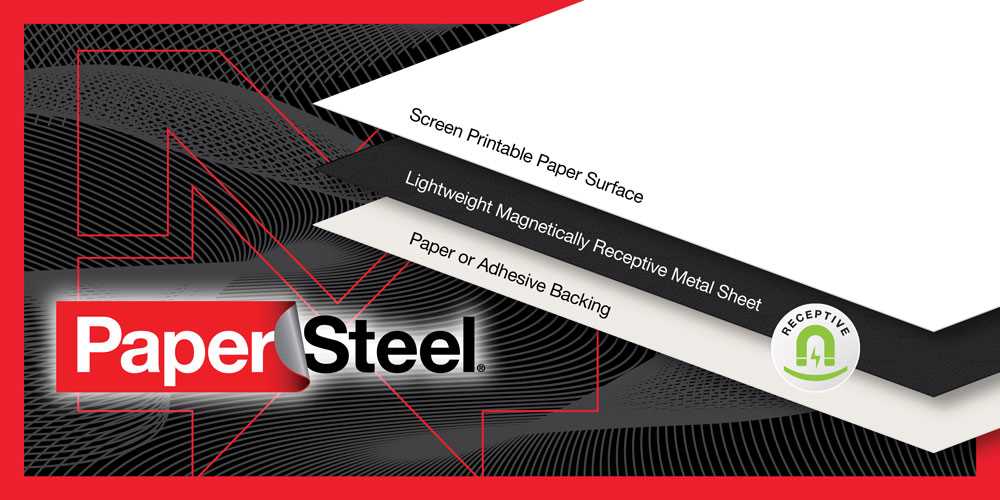
Choosing the right surface for custom prints can significantly influence the final outcome of your design. For robust and durable results, opt for surfaces that withstand both time and wear. One of the top materials for this purpose is thin, sturdy alloys that offer flexibility and high-definition reproduction.
These types of materials are ideal for a variety of creative and industrial applications. Whether you’re working on decorative elements or functional pieces, a smooth, corrosion-resistant finish ensures that your prints will maintain their integrity and clarity. This option excels not only in quality but also in the ease of handling during both the printing and installation processes.
When selecting these high-grade substrates, consider both the finish and the weight of the alloy. A smooth surface allows for superior ink adhesion, while heavier gauges provide added durability without compromising the sharpness of the design. Always verify that the chosen option can handle your specific design needs, especially in terms of color fidelity and long-lasting results in both indoor and outdoor environments.
Customizing and Printing on Thin Metallic Surfaces
For precise designs on a hard surface, opt for using materials that are smooth yet receptive to printing technologies like UV or laser. A coating layer can help ensure that your artwork adheres well to the surface, even under high temperatures. Choose a substrate with a polished finish to minimize imperfections and enhance durability after printing.
If you’re looking to achieve high-definition details, work with materials that allow for multiple layers of color without distorting. This process works best on items that have been pre-treated to increase ink adhesion. Avoid overly glossy finishes if your project requires intricate line work or fine typography, as this may affect readability or sharpness.
After printing, it’s important to apply a protective coating to preserve the longevity of the print. Select a sealant or laminate that prevents fading or wear, especially if the item will be exposed to outdoor elements. It’s also recommended to test the print on a small sample first, ensuring that the colors stay intact and do not smudge with handling or exposure.
HTML
Choosing the Right Type of Metal for Printing
Aluminum is a leading choice for print projects requiring durability and resistance to corrosion. Its lightweight nature allows for easy handling during the printing process, and its smooth surface ensures high-quality results. This material is particularly favored for outdoor signage and promotional items, where weather resistance is crucial.
For applications that require a more polished finish, stainless steel provides an excellent option. The material’s strong surface resists scratches and maintains its integrity over time. It’s ideal for creating long-lasting prints that need to withstand exposure to harsh environments or heavy use. Stainless steel is often selected for both decorative and industrial print tasks.
| Material | Durability | Best Use |
|---|---|---|
| Aluminum | Corrosion-resistant, lightweight | Outdoor signs, promotional products |
| Stainless Steel | Scratch-resistant, robust | Industrial, decorative applications |
Techniques for Printing on Metal Surfaces
Laser etching offers precision and durability for transferring designs onto rigid materials. This process uses high-powered lasers to vaporize the surface layer, creating intricate marks that are resistant to fading. It is ideal for applications where high levels of detail are required, such as in industrial parts or custom artwork. The method works well on various types of alloys, providing a clean, consistent finish without the need for ink or chemicals.
An alternative approach is screen printing, which involves applying ink through a mesh screen onto the surface. It’s well-suited for large volumes of designs, particularly on flat, smooth surfaces. This method allows for vibrant colors and is often used in signage, branding, and decorative purposes. Screen printing ensures strong adhesion to the material, making it a reliable option for items exposed to wear and tear or harsh environments.
Design Considerations for Printable Metal Sheets
One of the key factors to focus on is the choice of material. Selecting an alloy that can withstand the printing process without warping is crucial. Aluminium and stainless steel, for instance, are both known for their stability and ease of handling during printing. These metals maintain their integrity under high temperatures, which is a common challenge when transferring designs.
The surface finish plays a pivotal role in ensuring print quality. A smooth, consistent texture enhances ink adhesion, reducing the chances of smudging or peeling over time. Consider using a polished or brushed finish for better results in color fidelity and detail retention.
Another point to factor in is the thickness of the material. Thicker substrates can be harder to process, especially for precision tasks. A material that is too thick may require specialized equipment, whereas thinner sheets may bend under the pressure of the printing process. Opt for a middle ground, around 0.5 to 1 mm, for standard applications.
Designers must also account for the properties of the ink used. Metallic surfaces often require different types of ink than paper or plastic. UV-curable inks or solvent-based formulas tend to bond better with metal, offering durability and resistance to environmental factors like moisture and temperature shifts.
The durability of the printed design depends on proper curing. Ensure that the printing process includes a heat or UV curing stage to allow the ink to bond effectively with the substrate. Without this, the design may fade or peel prematurely, especially in outdoor settings.
Lastly, understand how the metal will be used post-printing. If the material will endure mechanical stress or exposure to harsh conditions, it may require additional protective coatings. Consider clear coatings or anodizing to increase resistance to scratches, corrosion, and general wear and tear.
Top Printers for Sheet Metal Applications
The HP Metal Jet S100 is an excellent choice for businesses requiring high-speed production with exceptional precision. It uses a binder jetting technology, allowing for faster and more cost-effective operations compared to traditional methods. The printer is capable of producing detailed prototypes and parts in various alloys, offering both strength and flexibility for manufacturing applications.
Another reliable model is the Markforged FX20. Known for its high-performance capabilities, it prints with advanced composite materials, producing durable components for heavy-duty use. The system offers excellent layer adhesion and precision, making it ideal for creating complex geometries that demand both strength and accuracy in harsh conditions.
The 3D Systems ProX DMP 320 is well-suited for industries that need advanced metal parts. This machine supports a variety of metal powders, providing high resolution and fast turnarounds for parts with intricate features. Its superior build quality ensures durability in demanding environments, while the intuitive software makes it easy to control the entire process.
For more specialized applications, the EOS M 290 excels in additive manufacturing. It utilizes direct metal laser sintering (DMLS) technology to produce parts with outstanding mechanical properties and surface finishes. This printer is particularly effective for industries like aerospace, automotive, and medical, where high-performance materials and intricate designs are required.
Lastly, the SLM Solutions 500 is an industry-leading choice for large-scale production of high-strength components. With its multi-laser system, it significantly reduces printing time while maintaining top-tier quality. The printer supports a broad range of materials, allowing manufacturers to optimize production processes with consistent results across various projects.