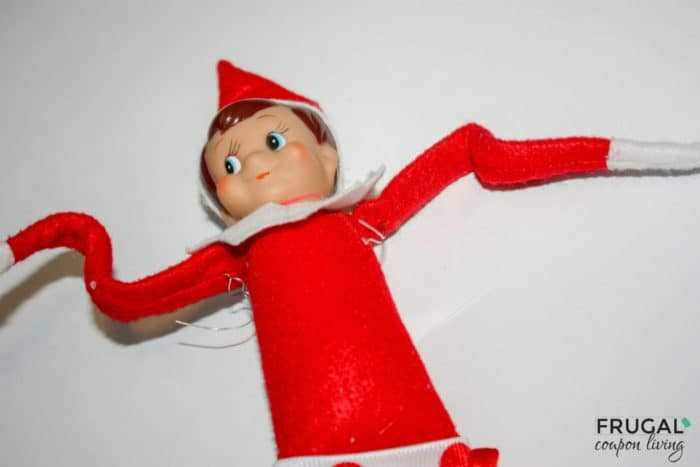
For those looking to dress up their little holiday helper, making personalized attire can be an enjoyable and rewarding activity. With simple materials and a few creative ideas, you can transform an ordinary figurine into a festive character ready for display. No need for elaborate sewing skills–basic crafting techniques will do the trick. Start by choosing fabric that suits the style you envision: think of red, green, or other seasonal tones for a traditional look.
The next step is preparing your tools and materials. You will need fabric scissors, glue, or thread, depending on the method you prefer. Measure the figure’s size carefully to ensure the outfit fits comfortably. For easy fitting, choose a design that’s adjustable or use stretchy fabrics. Crafting your own pieces allows you to modify them as needed, whether it’s adding accessories like little shoes, hats, or scarves. Customization is the key to making this activity uniquely yours.
After cutting the fabric to shape, focus on assembly. A simple approach is to use fabric glue for a no-sew option. If you prefer stitching, hand-sew with a needle and thread to secure the pieces. Keep the stitching simple and neat to ensure durability. Personal touches, like buttons or decorative elements, can be added to enhance the final look. Once completed, you’ll have a charming figure dressed up for the season, all thanks to your own creations.
Crafting Delightful Outfits for Your Miniature Friend
Begin by selecting a sturdy fabric with a festive or playful design to match the season. Felt is ideal for simple creations, as it requires no hemming and holds its shape well. Cut your fabric into basic shapes: a tunic, leggings, and hat. Use a ruler to make sure the edges are even, and a fabric glue or hot glue gun can be helpful for easy assembly. Focus on easy-to-attach accessories like buttons or small bows to add personality.
For a snug fit, measure the doll’s body and adjust your fabric to create the right proportions. Take care to leave enough space for seams and adjustments. If you’re working with stretchy fabric, it will mold to the form better. A small elastic band can be used around the waist for a tailored look. If you want to add an extra layer of creativity, consider stitching a small pocket or other decorative features, but keep it simple to avoid overwhelming the design.
When assembling the items, make sure to use a contrasting thread to give the stitching a more noticeable look. This adds charm and texture to the final result. A fun detail could be adding a pom-pom at the tip of the hat or on the cuffs for an extra festive flair. Don’t forget to check the fit as you go along to ensure that everything looks balanced and secure. Some slight tweaking in the fit might be needed to create the perfect look.
After crafting, ensure that all elements are securely attached, especially if your miniature friend will be handled often. Reinforce key spots like the neck or waistband for durability. Once you’ve completed the main outfit, you can experiment with additional embellishments such as tiny scarves or belts to enhance the overall effect. Small pieces of felt, fabric, or yarn can easily be used to make unique accessories that give the character a special touch. Play with patterns, textures, and color combinations to create your ideal festive wardrobe.
Choosing the Right Fabric for Your Elf Clothes
Opt for lightweight cotton or flannel fabrics for soft, breathable garments that are easy to sew and maintain. These materials are ideal for creating comfortable outfits with a smooth finish, and they offer durability for handling frequent dressing and undressing. Choose cotton prints with holiday-themed designs for a festive look, or go for solid colors if you prefer simplicity. Keep in mind that flannel provides a cozy texture, perfect for colder seasons or creating a more textured appearance.
If you’re aiming for a more luxurious feel, consider velvets or velour. These fabrics give garments a plush, rich look and feel, making them stand out. They may require slightly more attention during the sewing process, but the end result is worth the effort. For accessories like hats or shoes, experiment with felt for a sturdy, easy-to-cut material that holds its shape well. Felt is also available in various colors, making it a versatile option for adding small details or finishing touches.
HTML
Step-by-Step Instructions to Print and Cut Your Designs
Open the document containing your design files using a PDF viewer or an image editing program. Ensure the page layout matches the size of the paper you plan to use. Adjust margins if necessary for a precise fit.
Next, select the print option from your program and choose the correct paper size. Use a high-quality setting for clarity. For smaller details, a higher resolution print setting may help to ensure the design is sharp and clear.
Before clicking “Print,” double-check that the design will print at actual size. Some software may scale the image automatically, so verify that it’s set to print without resizing. If you see an option for “actual size” or “100% scale,” select it.
After printing, gather a sharp pair of scissors or a craft knife. Scissors are ideal for cutting simple curves and straight lines, while a craft knife offers precision for intricate areas. Keep your cutting tool steady for clean, straight edges.
Use a ruler or measuring tape to check if the cuts match the intended proportions. For more intricate sections, it might be helpful to cut slowly and follow the lines closely to maintain accuracy.
If your design includes separate parts, organize them neatly before assembling. Check each piece’s alignment to avoid mistakes. Some pieces may overlap or require additional trimming to fit together properly.
For added durability, consider using a heavier paper or cardstock for printing. Thicker materials can hold up better during assembly and use, especially for designs that will be handled frequently.
Once all pieces are cut, lay them out on a flat surface. Arrange the sections to ensure they fit correctly and begin the assembly process. If needed, make minor adjustments by trimming or reshaping any parts that seem off.
How to Sew Simple Outfits for Small Figures: A Beginner’s Guide
Choose a soft, stretchy fabric for comfort and flexibility, such as cotton or fleece. These materials are easy to work with and allow freedom of movement for small figures. Start by cutting two basic rectangles for the shirt and pants, ensuring they are proportionate to the size of the figure you’re dressing.
For the shirt, fold the fabric in half lengthwise and stitch the sides together. You can leave the neckline open or add a simple hem. For a more polished look, add small buttons or hooks on the back for closure, depending on the desired style. These small additions make the outfit appear more detailed.
The pants should be similarly constructed with a simple seam along the sides. For the legs, cut two strips of fabric and stitch them together, leaving space at the top for an elastic waistband. This allows the pants to be easily pulled on and off. A thin strip of fabric or an elastic band will hold them securely in place without causing discomfort.
To add character, create small accessories like a belt or scarf. These can be made from fabric scraps or ribbons. Sew a small loop on the waistband for a belt or simply tie a fabric strip around the neck to mimic a scarf. These accessories don’t require complex sewing but can drastically change the appearance of the outfit.
Consider adding small decorative touches such as sewn-on patches or embroidery for personalization. A simple star or heart design on the chest or pockets can elevate the outfit. Use bright thread colors for contrast or match the fabric for a subtle, cohesive look.
Lastly, don’t forget about shoes. Use felt or fabric to cut out small shapes that can be sewn onto the feet. You can opt for tiny boots or simple slippers, depending on your style. Once you’ve completed all the pieces, try the outfit on your figure to ensure a snug fit and make adjustments where necessary.
Customizing Elf Clothes with Fun Accessories
Start by adding small, handmade props like miniature hats or scarves to your figure’s wardrobe. Knitting or crocheting small accessories can make a world of difference. A tiny wool hat or a scarf with festive patterns instantly gives a personal touch. You can even create matching mittens using felt or fabric scraps for a coordinated look.
Experiment with different textures to enhance your designs. For example, use faux fur for collars or cuffs. This adds a luxurious feel to the overall look. By adding a bit of glitter or sequins, you can easily make outfits sparkle, giving them that magical, holiday-inspired charm.
Incorporate props like small toys or gifts to give your figure a playful vibe. Consider a mini teddy bear, a tiny wrapped present, or a small candy cane. These items can be attached with glue or carefully tucked into pockets, making your figure look even more festive and fun.
Don’t forget to personalize each item with names or initials. Embroidering tiny letters on accessories like hats or bags can make them feel unique. A small monogrammed bag or personalized boots will add a special detail that sets your creations apart from standard designs.
| Accessory | Material | Customization Idea |
|---|---|---|
| Hat | Knitted Wool | Decorate with small pom-poms or glitter |
| Scarf | Felt or Fabric | Add festive patterns like stripes or snowflakes |
| Boots | Faux Leather or Felt | Embroider initials or stitch on small beads |
| Bag | Mini Canvas or Felt | Monogram with initials or add tiny embellishments |